A Tectonic Study on Wool
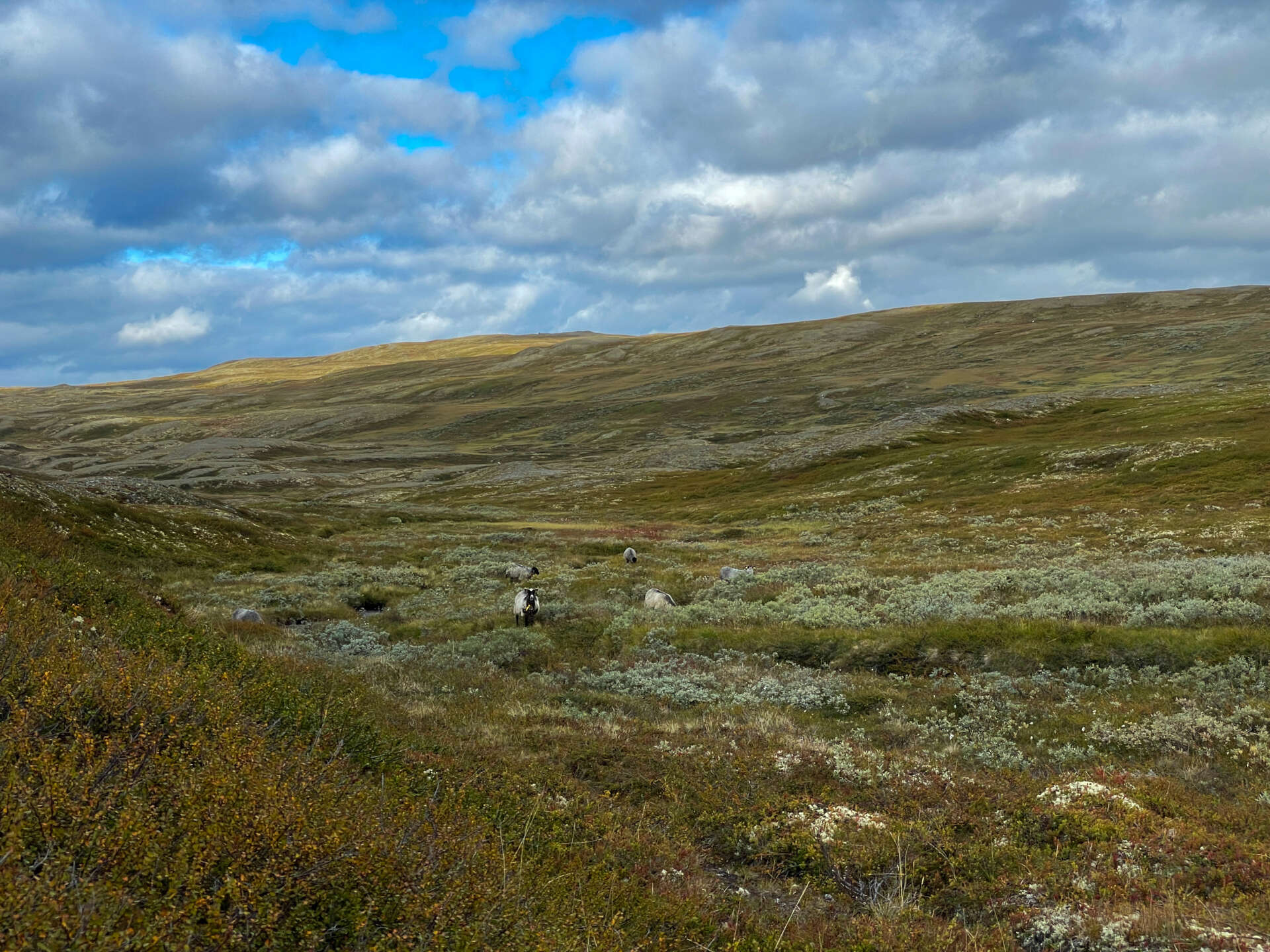
Figure 1: In Norway, most sheep graze freely in the mountains or forests. Image by Author.
Wool between Landscape and Building
The story of this research does not begin in an architecture studio. It begins in the mountains. Late summer. The sheep are gathered, and their wool is shorn in fast, practised movements. Piles of raw, greasy fleece build up on the ground: warm, tangled, full of lanolin, earth, and the memory of weather. Most of the white wool is packed and sent to a wool station for sorting (Berg and Klepp, 2025). However, more diverse fibres are often discarded, burned, buried, or thrown into the sea, seen as a by-product of meat rather than as a resource (Klepp et al., 2019).
For a country with a strong wool tradition, this underuse is hard to ignore. It does not align with how we like to talk about circularity and regenerative design. This project grows out of that tension. It asks what happens when we treat Norwegian wool not as leftover but as a starting point for architecture. Image by Author.
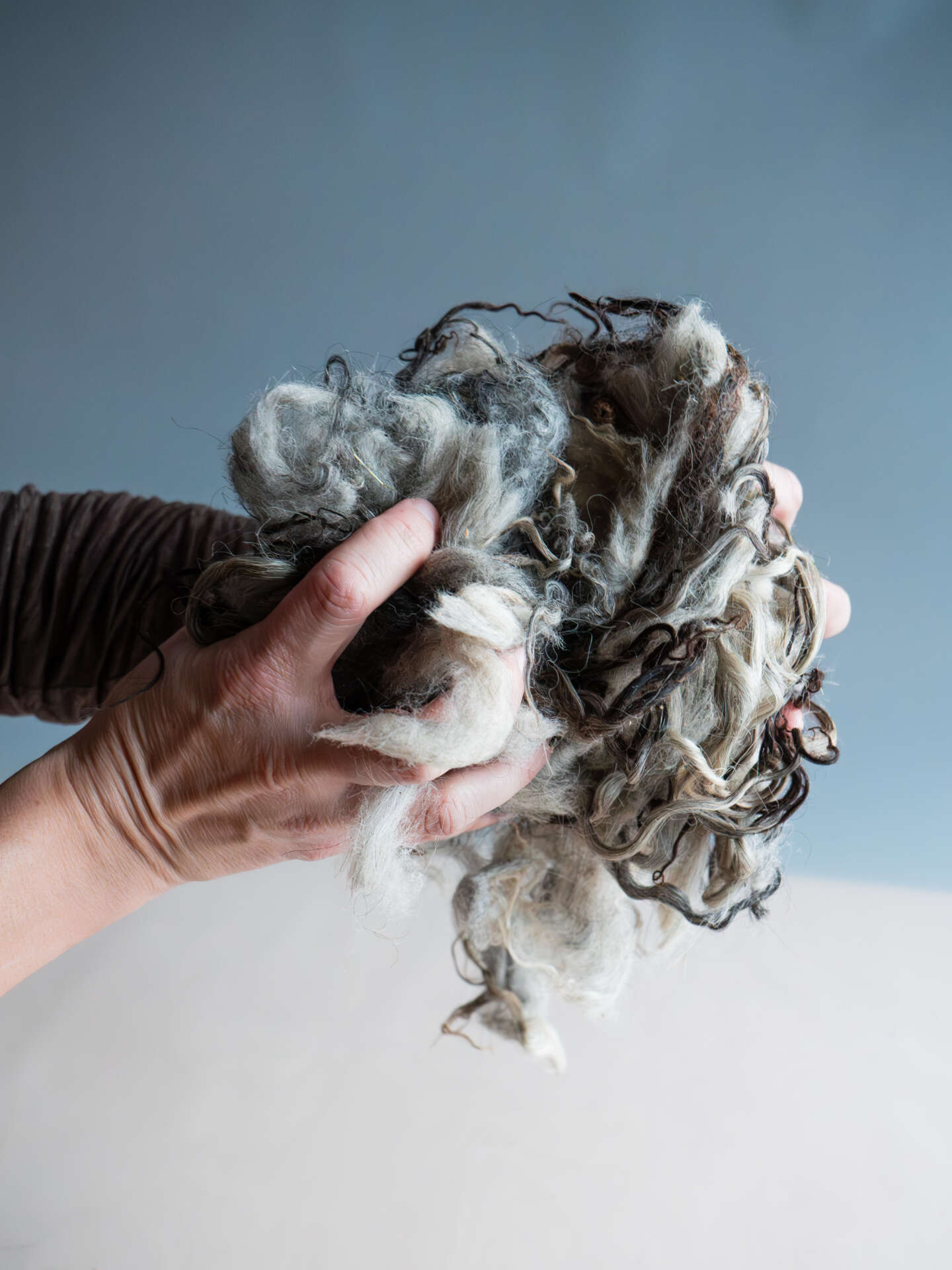
Figure 2: Freshly sheared wool from the sheep.
Research as Making and Listening
The project is built on doing. The work is structured as a practice-based investigation. It grows out of a loop of drawing, making, and looking back at what has been done. I start with wool in my hands and see what happens. Each artefact—a sketch, a model, a prototype, a full-scale demonstrator—is envisioned as an embodied question: What can wool do here? How does it behave? How does it feel?
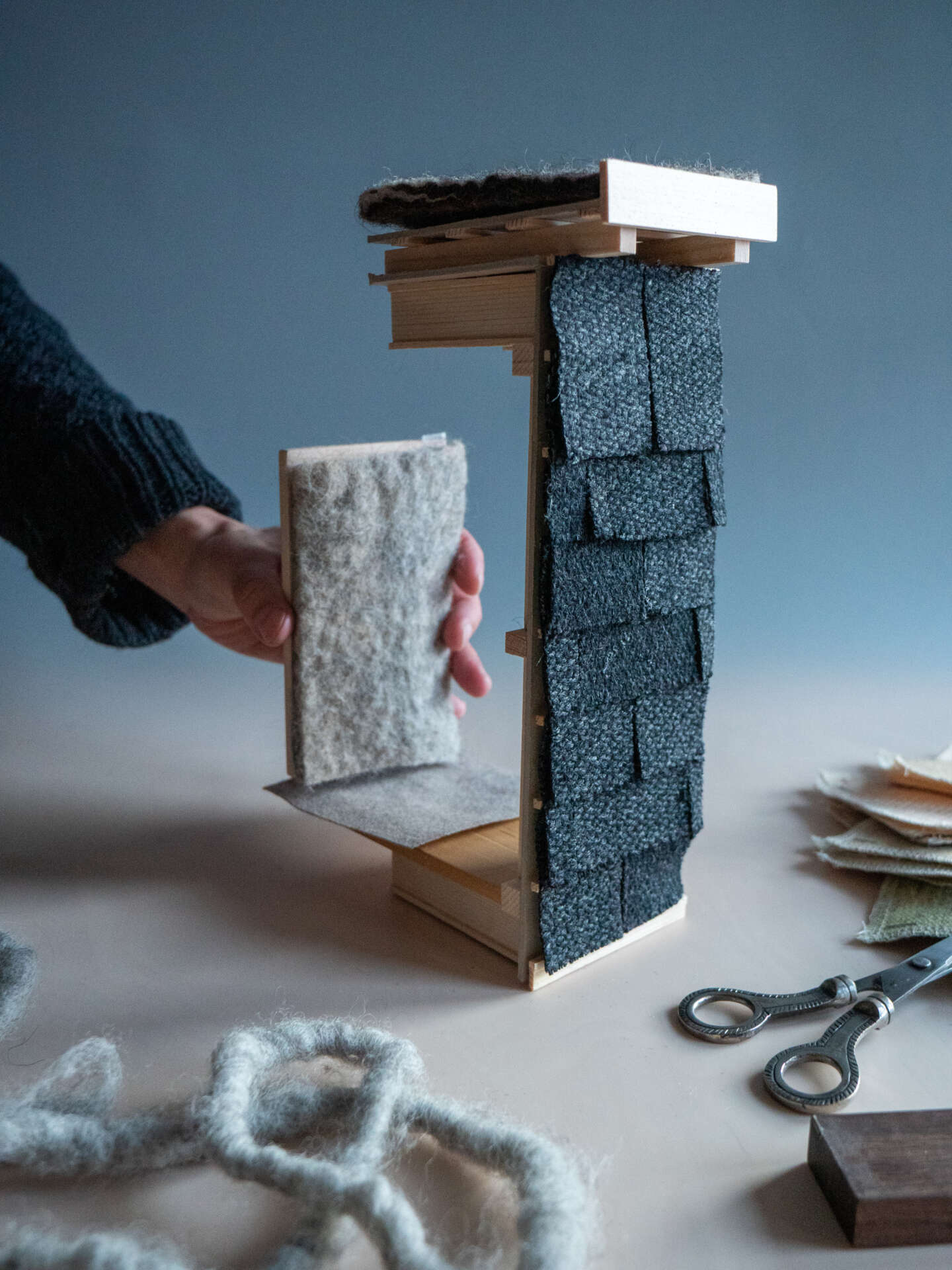
Figure 3: Model study of exterior cladding in 1:10 scale. Image by Author.
I work within a three-part design research framework (Frayling, 1993):
- Research for Design means reading and gathering what is already known and done about wool: its technical performance, environmental properties, and how it is processed. This includes work on moisture regulation, non-flammability, and how the fibre can act as fertiliser at the end of its life (IWTO, 2020).
- Research through Design happens in the studio and on site, where I draw, build models, and make demonstrator structures that test wool in different tectonic roles; weaved, stacked, clamped, framed, or left loose.
- Research about Design examines how others experience the artefacts, through observation, conversation, and a reflective field diary.
Together, these strands form a methodological triangulation (Denzin and Lincoln, 2011), in which knowledge grows from moving back and forth among material experimentation, theory, reflection, and lived experience.
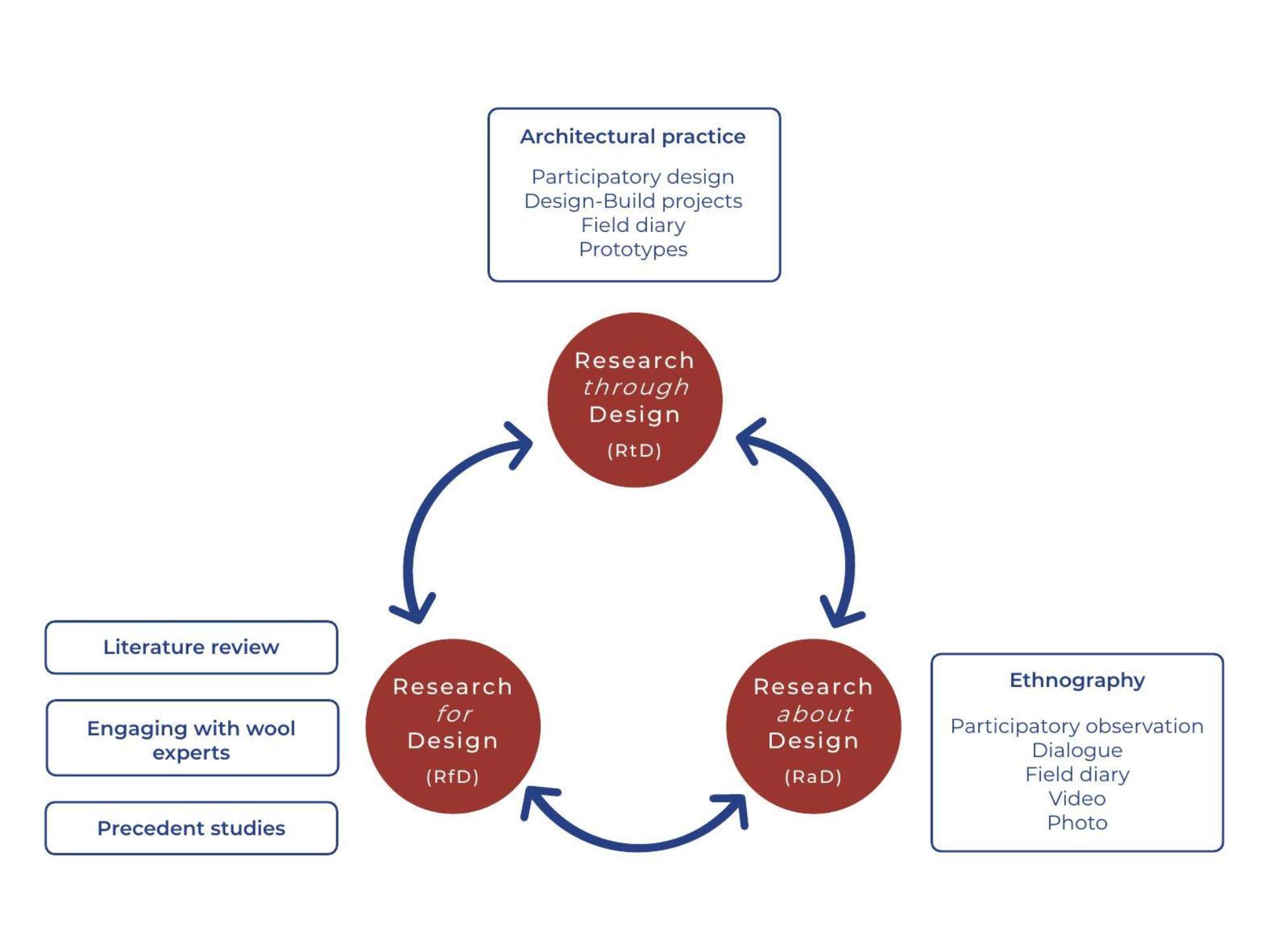
Figure 4: Methodological triangulation of the design research exploring wool in buildings. Image by Author.
A Tectonic Study on Wool
This study looks closely at how wool meets other materials: in knots and seams, at the edges of walls and roofs, in the small details you feel when you run your hand along a surface. A tectonic perspective offers a way to understand how materials are joined, expressed, and given meaning in construction (Frampton, 1995). The focus is not on formal innovation, but on these meetings between wool and other materials—in layers and edges, in small but telling details that give a structure its character. The architectural models in this study explore wool in three main roles:
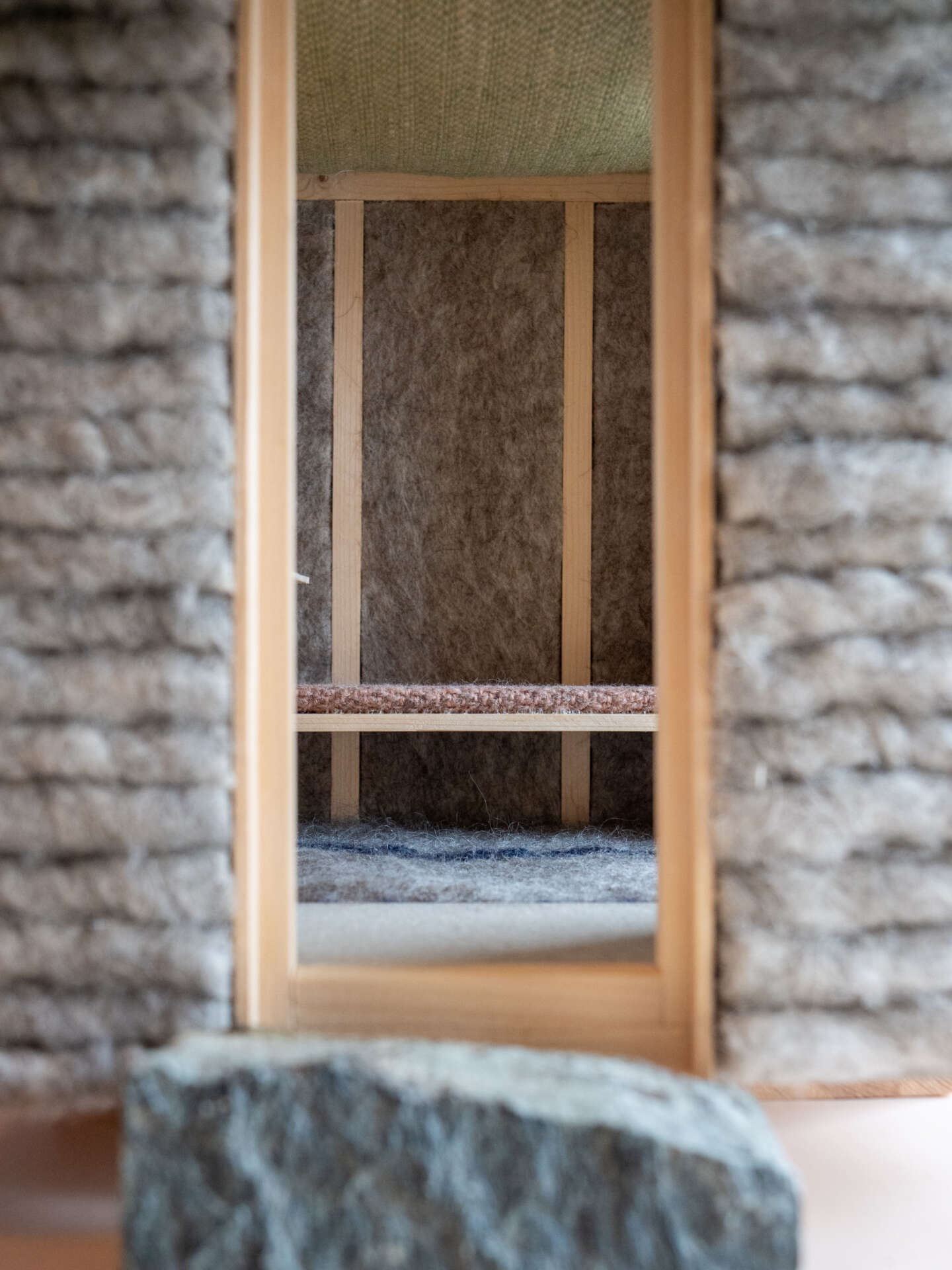
Figure 5: 1) As an enclosing membrane, wool appears as a visible and tactile surface—a cladding that is soft to the touch yet robust. Image by Author.
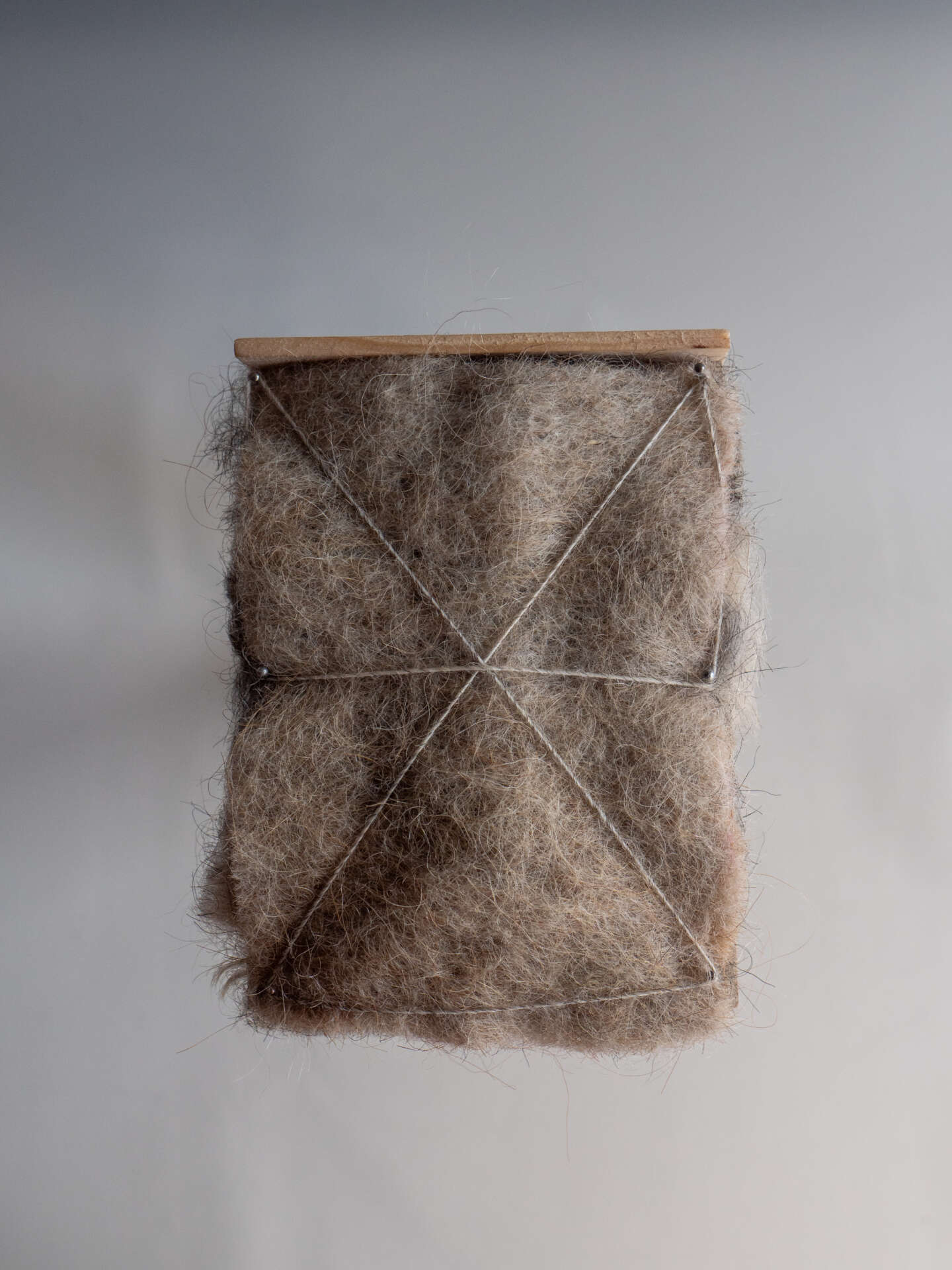
Figure 6: 2) As part of a framework or structural system, wool is twisted, braided, or knitted, sometimes in combination with other materials such as timber or soil, to explore how fibres can support a framework. Image by Author.
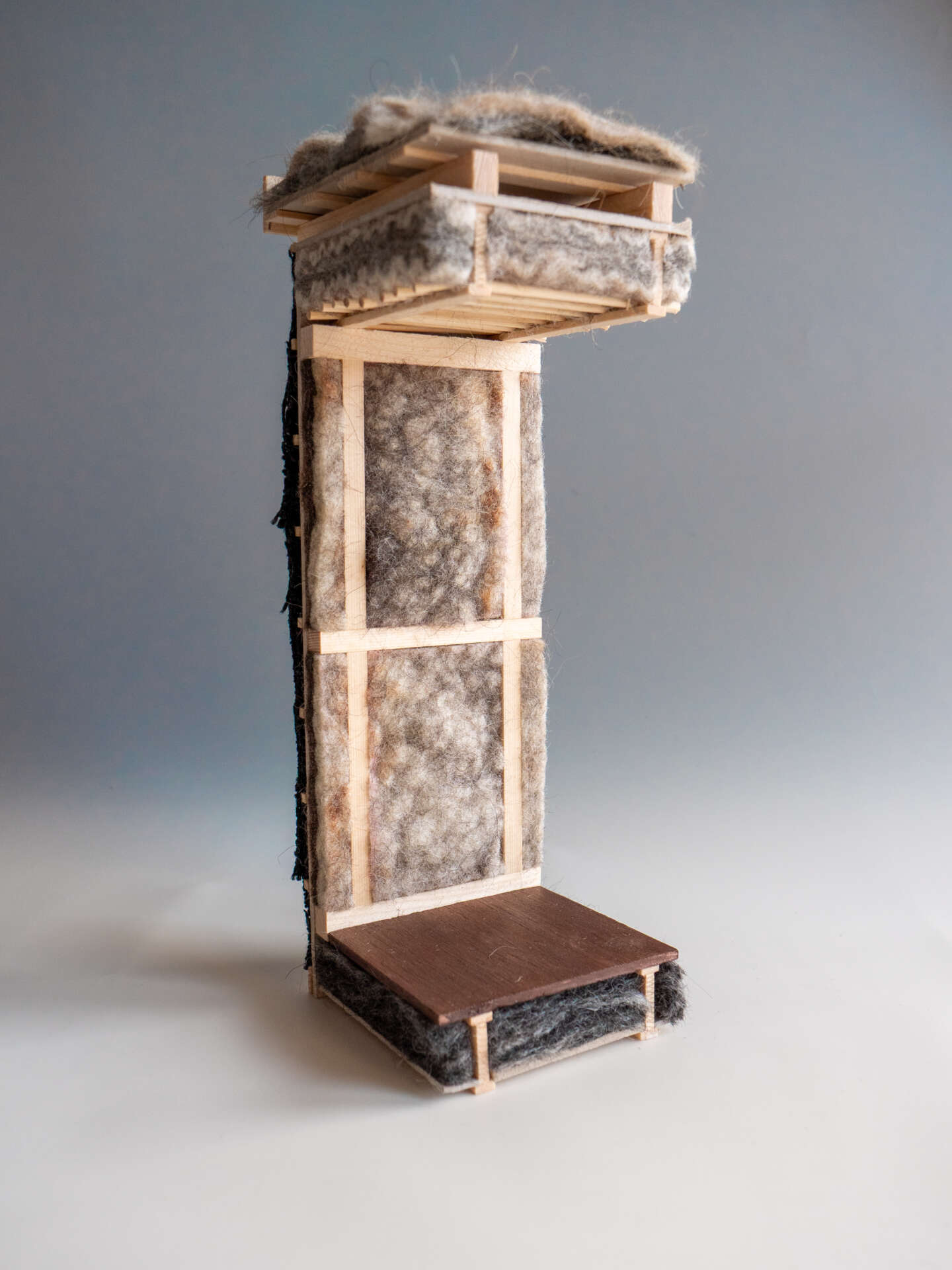
Figure 7: 3) As a technical layer, wool functions as insulation, sometimes deliberately exposed so that what is usually hidden becomes part of the bodily experience.
These roles come together in a speculative building section: a simple structure where wool appears in the cladding, roofing, insulation, and flooring. Insects find their way into the façade, birds tuck grass and twigs into the roof and make nests there, and the top layer of wool slowly breaks down into compost that feeds worms and plants. In visions like this, regenerative design feels less like a theory and more like a description of what is already going on around us in the living world: slow, patient processes that restore and thicken ecological life, giving back more to the land than is taken from it (Cole et al., 2012).
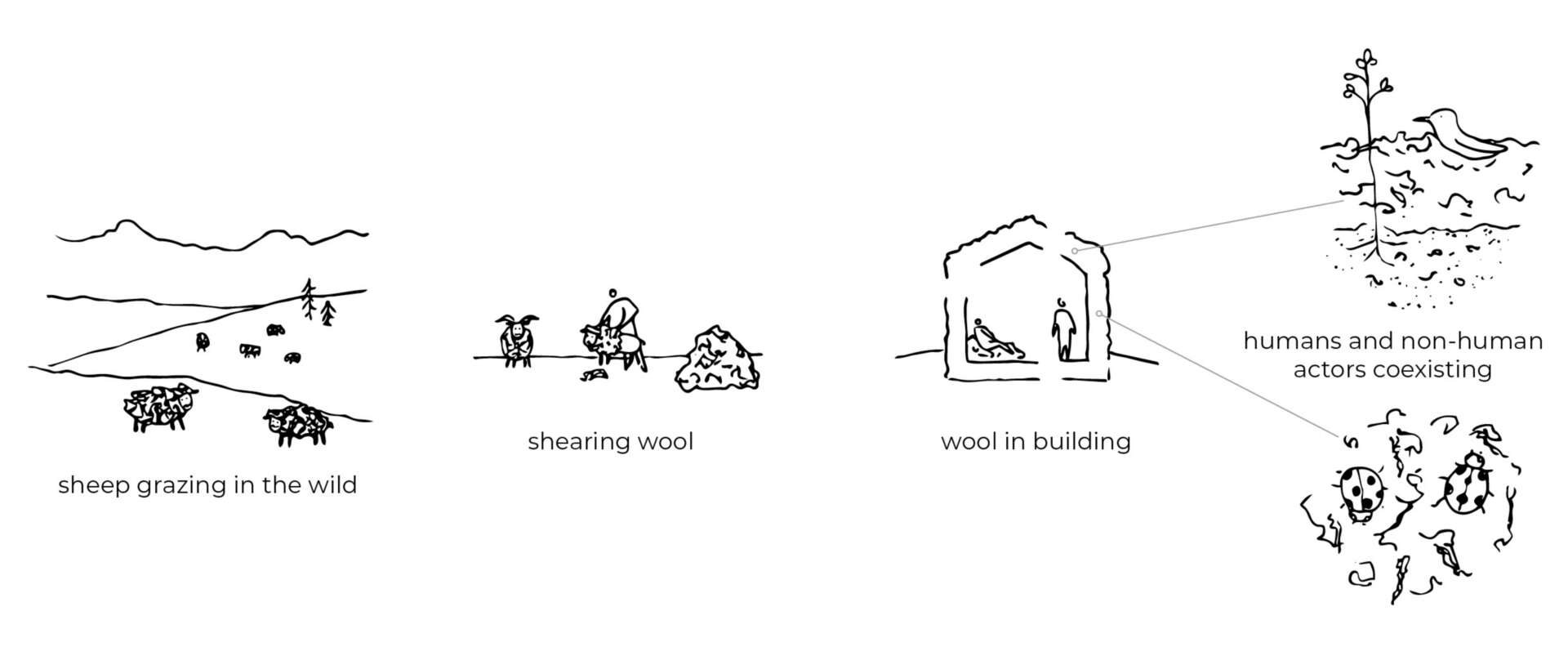
Figure 8: Visions for wool for regenerative architecture. Not a finished design, but a way of thinking with the material – a diagram of how wool might move through cycles of use, decay, and renewal. Image by Author.
Artefacts as Cultivators of Knowledge
Over time, the project fills up with pieces of work: a field diary, hand drawings, 1:10 models, full-scale section models, and eventually a building you can walk into. Each one teaches something different.
The 1:10 models allow for close attention to joint, thickness, and sequence of layers. In some, wool is packed tightly between timber, in others it hangs loosely, changing over time.
The full-scale prototypesintroduce the scale of the body. Standing in front of a wool-clad wall or beneath a wool-insulated roof, it is no longer possible to treat the fibre as an abstract material. It smells faintly of animal. It softens sound. It invites touch–or, in some cases, avoidance. Here, wool is no longer just a line in a specification, but an atmosphere that surrounds and affects us. The models show how gravity, density, and fibre length shape what the material can do. Some configurations hold their form; others slowly deform over time, raising questions about maintenance, repair, and what kinds of change we are willing to accept.
The field diarycollects these encounters. Short notes capture impressions and reactions: warm, itchy, quiet, friendly, smelly. Sketches record how people lean against the surfaces, press their hands into the fibres, or hesitate before approaching. Photographs and video stills are later revisited to trace patterns in these interactions. By explicitly treating artefacts as carriers of knowledge, the project demonstrates how different scales of making can yield complementary insights: constructive (1:10), atmospheric (full-scale), and relational (field diary).
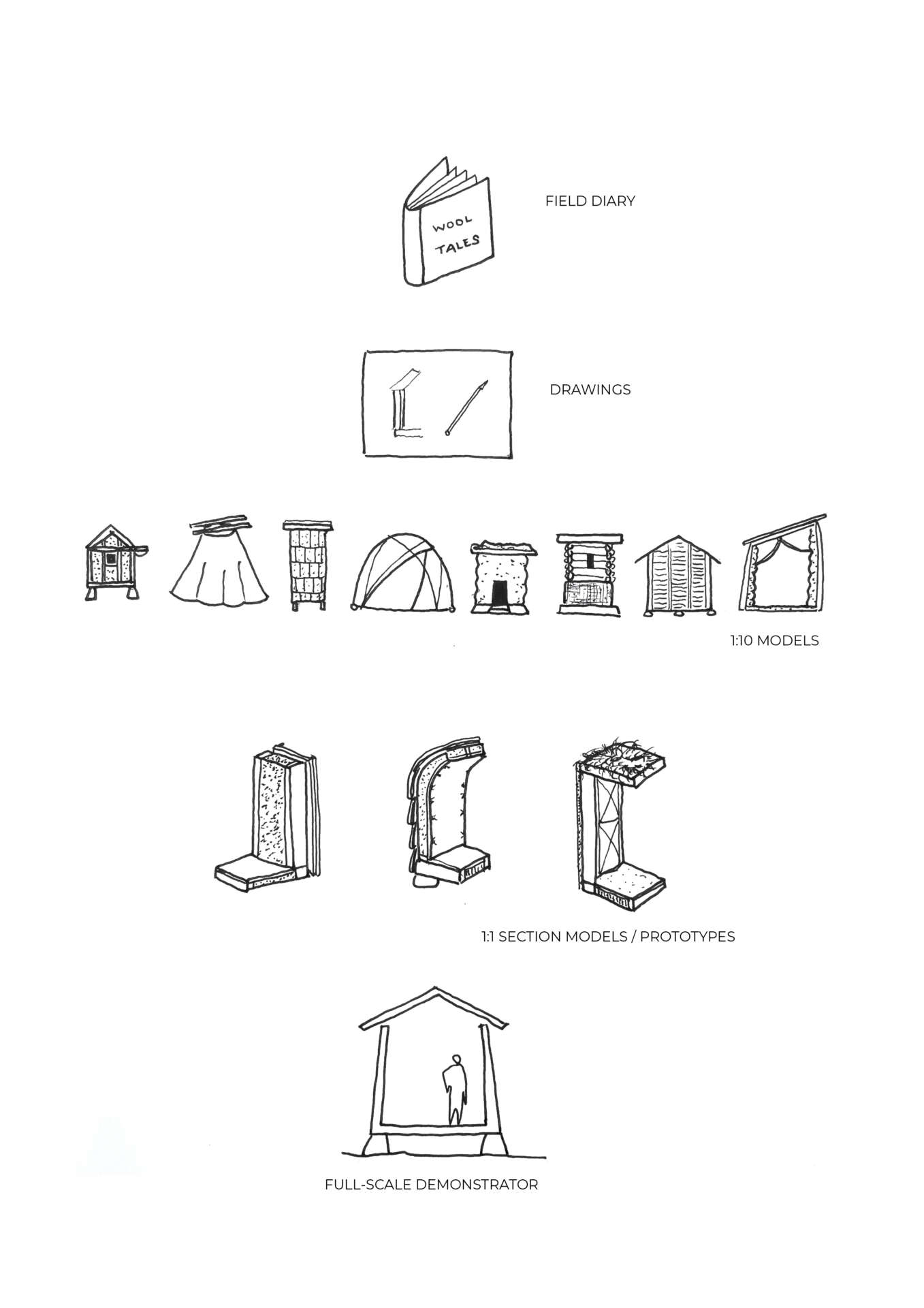
Figure 9: Variations of artefacts from the research-through-design. Image by Author.
Sensory Ethnography: Experiencing Wool Together
To understand how wool affects people, I spend time with them near and inside the small demonstrators. I watch how they move, listen to what they say, and notice what my own body feels like in those spaces. This way of paying attention–called sensory ethnography–treats seeing, touching, smelling, and remembering as all bound up together (Pink, 2009).
Conversations unfold in front of the models or within the structures themselves. Instead of structured interviews, there are shared moments: someone buries their fingers in the wool, comments on childhood memories of sheep; another compares it with knitted garments and worries about itchiness; a third notes how safe it feels. Over time, patterns emerge: a recurring urge to touch and lean, a sense of warmth and protection, occasional discomfort at the closeness to animal origin. These observations feed back into new design decisions–adjusting fibre types, densities, or the degree to which wool is left exposed.
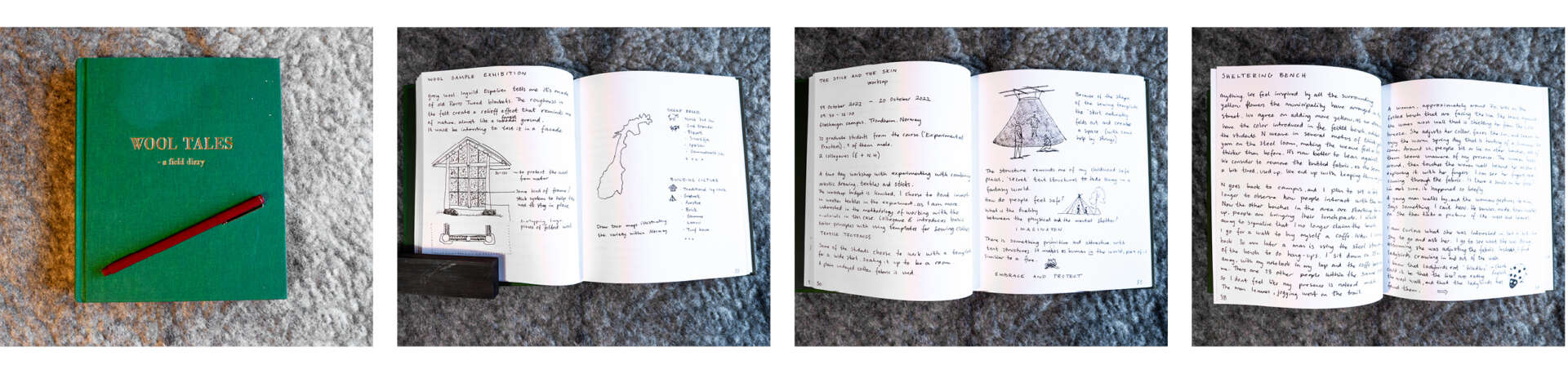
Figure 10: Extracts from the field diary. Image by Author.
Regenerative Potentials and Open Questions
The combined analysis of models and sensory accounts suggests that wool can meaningfully support the three roles explored here. As a membrane, it contributes to tactile and visual richness and opens possibilities for façades and roofs that weather and age in dialogue with local ecologies. As part of frameworks, its fibres can bind and stabilise other elements in low-tech ways that favour disassembly and reuse. As a technical layer, its thermal and acoustic properties enhance comfort while remaining compatible with composting and soil enrichment at the end of its life.
At the same time, the wool pushes back. Some people find it itchy or smelly. Some think of dirt, animals, and the work of the farm. These reactions are not just technical problems to solve; they show what kinds of closeness to animals and land we are willing to accept in our everyday lives.
This study does not offer definitive solutions. Instead, it proposes one trajectory for working with an underutilised local fibre within regenerative architecture. By making wool visible, tangible, and discussable, the project aims to reframe how materials are chosen, detailed, and cared for. The next steps involve further full-scale experiments, where wool is inhabited for longer periods and studied in more depth.
For design research, the contribution is twofold. Conceptually, the project frames regenerative architecture as a relational practice in which local fibres act as active agents connecting landscapes, buildings, and bodies. Methodologically, it articulates an approach that combines tectonic experimentation and sensory ethnography as an iterative design instrument. Together, these elements position the work not only as a demonstrative case but as a way of working with regenerative materials that others can adapt and test.
In the end, this work suggests that regenerative architecture is about more than performance. It is about relationships: between the hills where sheep graze and the walls we live inside; between animals and people; between fibres and hands. In this sense, wool becomes more than insulation or cladding. It becomes a way of paying attention and a quiet demand to take responsibility for how our buildings are tied back to the land that carries them.
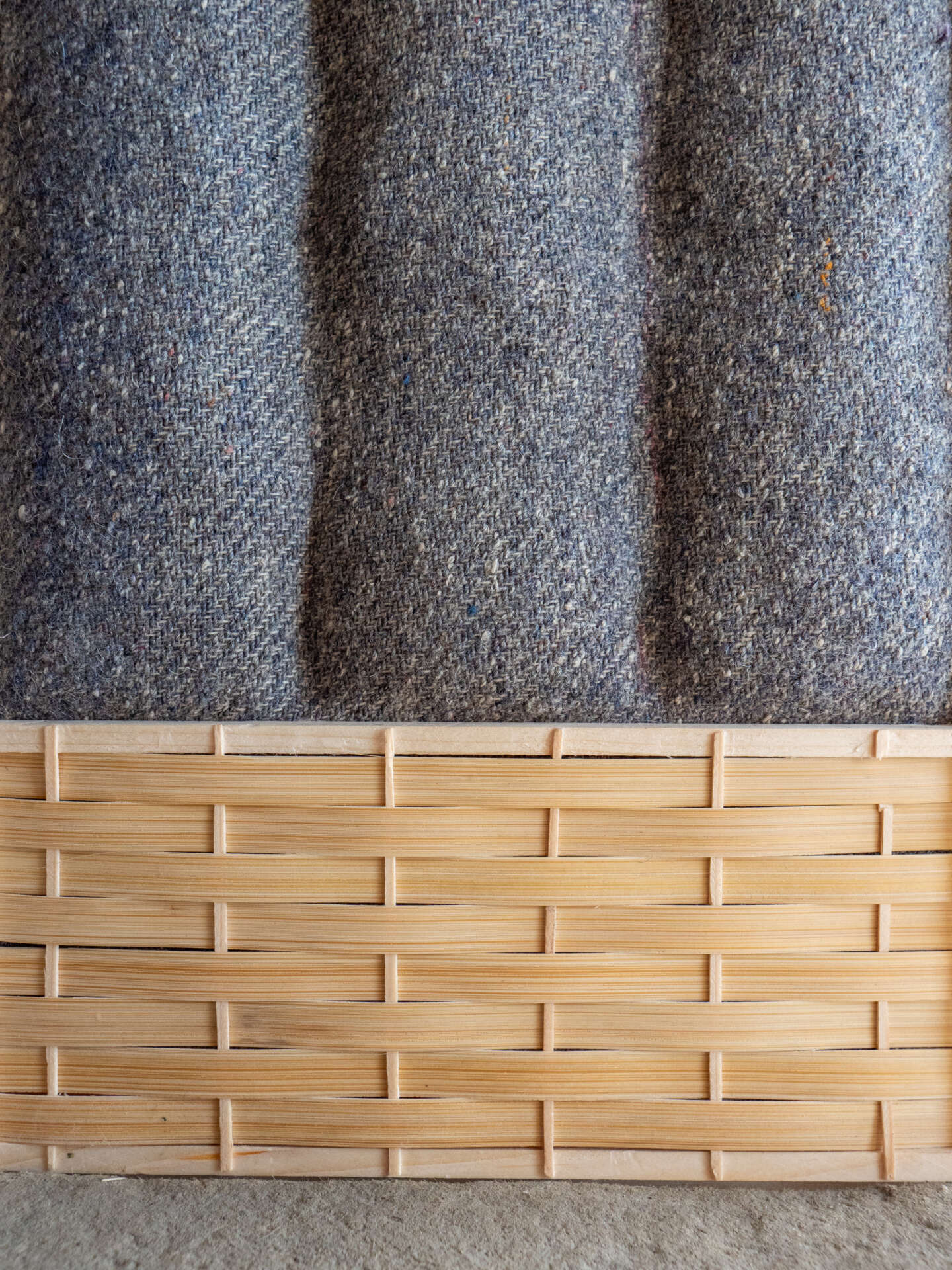
Figure 11: Model study of wool as interior cladding and insulation. Image by Author.
Literature
Berg, L.L., Klepp, I.G. (2025) Textile farmers. Mapping fiber and textile production in Norway (Report).
Cole, R.J., Busby, P., Guenther, R., Briney, L., Blaviesciunaite, A., Alencar, T. (2012) A regenerative design framework: setting new aspirations and initiating new discussions. Building Research & Information 40, pp. 95–111. https://doi.org/10.1080/09613218.2011.616098
Denzin, N.K., Lincoln, Y.S. (2011) The SAGE Handbook of Qualitative Research. Thousand Oaks: SAGE.
Frampton, K. (1995) Studies in Tectonic Culture: The Poetics of Construction in Nineteenth and Twentieth Century Architecture. Cambridge, Massachussets: MIT Press.
Frayling, C. (1993) Research in Art and Design. Royal College of Art Research Papers 1, 5.
IWTO (2020)Wool Notes [WWW Document]. International Wool Textile Organisation. URL https://iwto.org/resources/woo... (accessed 12.7.22).
Klepp, I.G., Tobiasson, T.S., Haugrønning, V., Vittersø, G., Grøva, L., Kvingedal, T., Espelien, I., Kubberød, E. (2019) KRUS final report: Enhancing local value chains in Norway (No. SIFO REPORT NO 8-19).
Pink, S. (2009) Doing Sensory Ethnography. SAGE Publications Ltd, 1 Oliver’s Yard, 55 City Road, London EC1Y 1SP United Kingdom. https://doi.org/10.4135/978144...