At the Confluence
Introduction
With the emergence of new epistemologies and formats of research, the boundaries defining scholarly work are continuously shifting. New forms of knowledge production, like artistic or practice-based research, are an invitation to re-establish what a contribution to academic scholarship is and how such knowledge production is undertaken (Candy et al., 2021). Interrogations on practice-research links are particularly of interest in urban fields where the consequences of climate change are increasingly pressing. This urges to accelerate the implementation of state-of-the-art research. Positioning practice as a testing ground for cutting-edge ideas can bridge the theory-implementation time gap, particularly significant in urbanism, where projects can take decades (Scaini et al., 2024; Ahern, 2011).
Inspecting a specific moment of my research, I reflect on how urban climate adaptation is implemented, how the ‘perfect’ and ‘weightless’ (McNay, 2014:4) theory is negotiated, and what methods could solidify it during this transformation. In this case, I use Theory of Change (ToC) – a process tool establishing connections between activities and outcomes of a given project (Stein and Valters, 2012; Drabble et al., 2021) – as a methodological device to assist and evaluate the process. The stage of transformation from holistic vision to detailed plan illustrates how ToC can have significant impacts on practice-theory linkages.
Community-led river stewardship
In a global race towards resilience, urban climate adaptation has become a widely endorsed objective (Quigley et al., 2018). Climate adaptation is largely tackled in a planned and formal manner, especially in the formalised governance systems of the Minority World. Yet, in the generally informal contexts of the urbanising Majority World, a lot of adaptation is done at the community level (Galvin, 2019; Mitlin, 2008). Community-based adaptation (CBA) has particular transformative potential in informal settlements where state power is weak or absent (Fox et al., 2023; Bayat, 1997). In development research, substantial advocacy for CBA expresses its strengths in engaging local knowledge, increasing participation, and addressing underlying social issues (Haque, 2021; McEwen et al., 2017; Seebauer et al., 2019). While remarkable in theory, community resilience projects often come with unintended consequences like forced professionalisation, maladaptation, romanisation self-help, and socio-economic exclusion, among others (Puzyreva, 2022; Coates, 2015; Beilin and Wilkinson, 2015). Thus, scholars have argued for mixed, mosaic, or flexible practices (Maskell et al., 2025; Buijs et al., 2016; Fransen et al., 2024) to negotiate resilience.
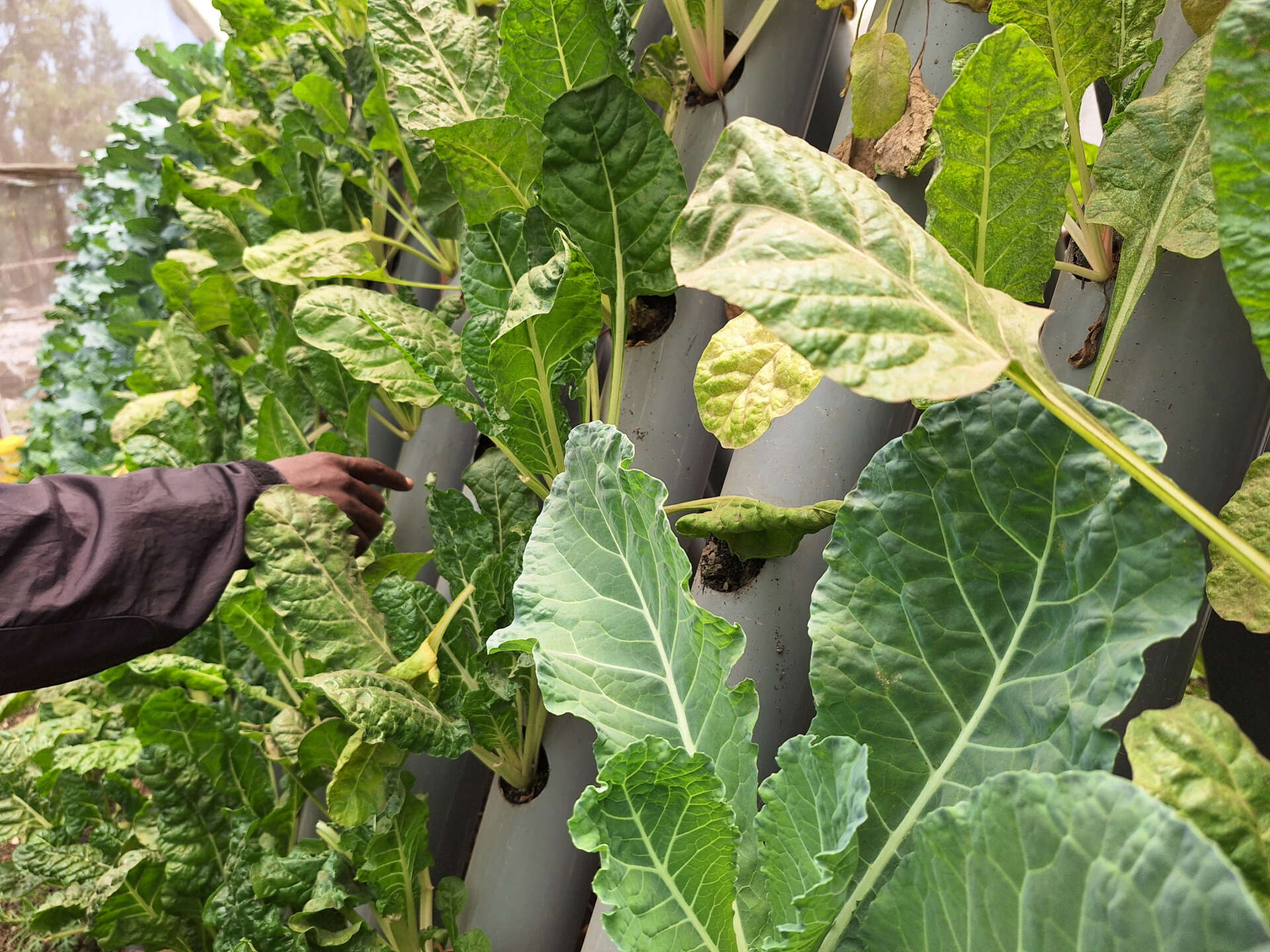
Figure 1: Urban farming initiative in Mathare. Image by Vija Viese, 2025.
Within this complexity, my research considers these in-between spaces to draw bridges between the sources of the climate risks and the people best placed to lead adaptation efforts. Observing flood-prone urban rivers around the world, people spontaneously take up environmental stewardship (ES) practices – actions “to protect, care for, or responsibly use” (Bennett et al., 2018) these natural resources. This is enacted through diverse ecological and social activities, like tree-planting, urban farming (Fig.1), combating soil erosion, nurturing biodiversity, education, waste cleanups, pollution monitoring, and many more. Yet much of this everyday adaptation labour, while benefiting all, is unpaid and unrecognised by the formal authorities, oftentimes the real responsibles for these tasks (Johnson et al., 2023).
Aiming to tackle this injustice, my research imagines shifting perceptions on stewardship from a free resource towards an incentivised and legitimised adaptation practice. I position urban design as the driver in recognising, giving space, and promoting ES that could persist long term without fears of eviction, illegality, or political power dynamics.
This essay focuses on one moment in the design process – the shift from the ‘theoretical space’ of paper designs towards the ‘concrete practical space’ of realised urban project. This transition is what I call the Confluence of Trajectories. This is where the different Trajectories – intentions, needs, resources, best practices, local regulations, stakeholder agendas, and habits – meet and interact. While paper does not refuse ink, the same cannot be said about implementation. Difficult, contested, or even unpleasant, it is an inevitable stage linking the wide potentialities of paper to the restricted choices of reality. Using a methodological lens, I observe how ToC allowed the ambition of ES integration to take shape.
Mathare
While it’s not uncommon for river flooding to interrupt the daily workings of the Mathare informal settlement in north-eastern Nairobi, the disaster of 2024 was unprecedented. Sweeping through the settlement in the dead of night, the floods took the community unawares and ravaged the banks of the Mathare River. Although the water subsided, the disaster continued as the government – seeing opportunity in a tragedy – organised a river clearance campaign. All informal constructions in a 30-meter buffer zone along the 3 rivers of the city were demolished. Resistance is written in the DNA of the residents here, with the rebellious spirit inhabiting the community since colonial times. Thus, seeing the neighbouring Nairobi River be hastily transformed with little to no public participation, alarm bells were rung in Mathare.
A decision was made by the residents, with supporting NGOs, to not sit back and watch their community spaces be shaped without their input, but rather to take matters into their own hands. This started a process of a community-led spatial design, centring the economic, ecological, and social activities in the riparian areas. What set this project apart was its ambitions – community-designed (Fig.2), locally adapted, and environmentally-conscious – ideas largely missing in the official masterplans.
Joining this process in the initial stages, I had the opportunity to contribute as both an urban designer and researcher by assisting, facilitating, and informing the process. Bringing in knowledge and theory on the benefits and pitfalls of everyday climate adaptation, ES practices could be centred in the spatial plan.
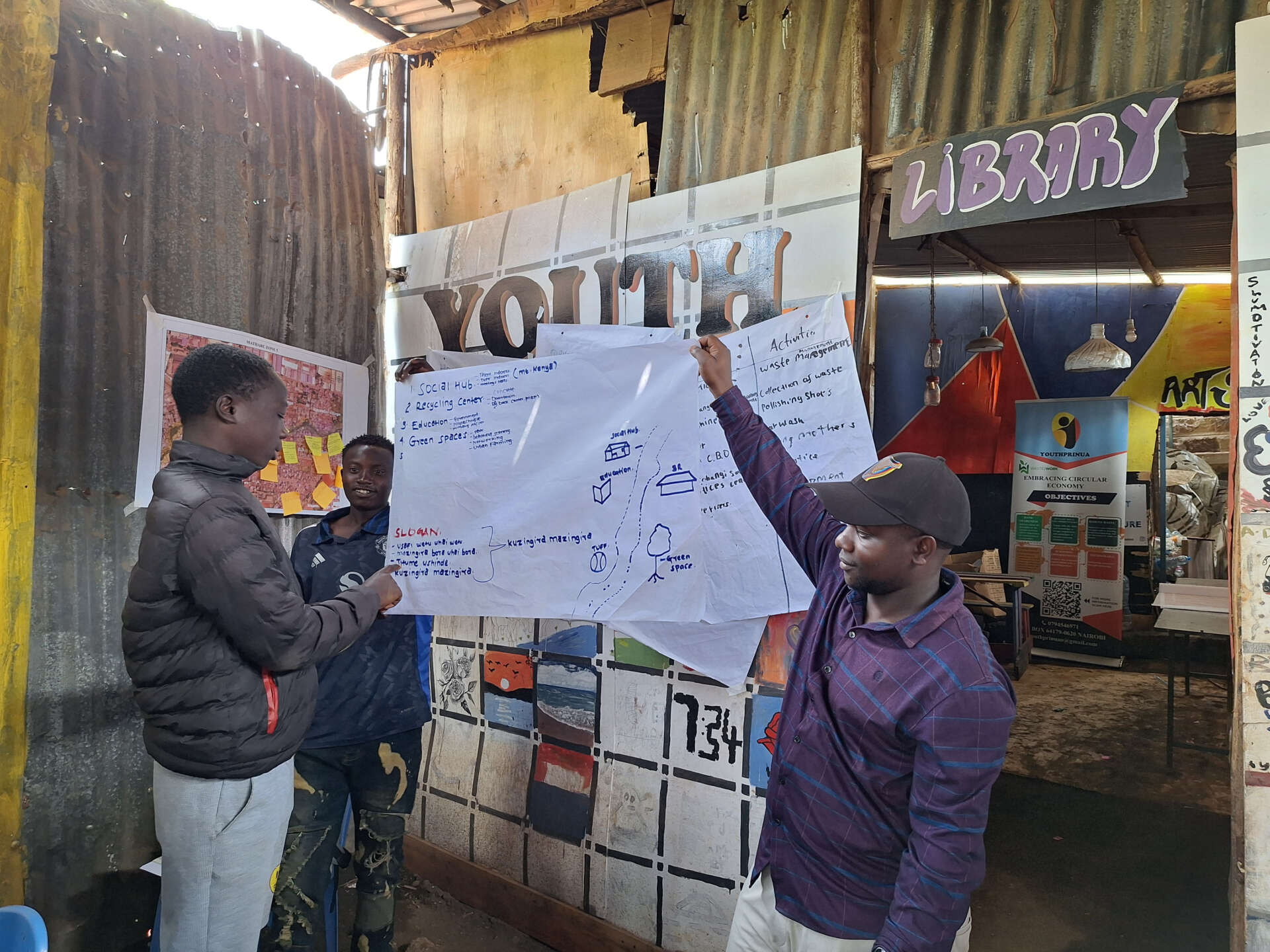
Figure 2: Community co-design workshop in Mathare. Image by Vija Viese, 2025.
Experiencing the Confluence
The community-led design process was a series of workshops on mapping, ideation, design, and validation, split into 5 sections of the river. It brought together the residents, local community-based organisations (CBOs), youth groups, small businesses, NGOs, local leaders, and researchers. While resulting in a holistic plan for the 9km length of the Mathare River, it represented an idealised version of the future (Fig.3). One that could not be realistically implemented, due to technical, financial, and legal restrictions. Rather, this ‘community wish list’ served as a guide to produce more comprehensive and pragmatic detailed plans.
While defined since the initial stages, ToC became a decisive tool in the conception stage of these plans. Setting clear ambitions, priorities, and procedures (Fig.4) kept us from losing track during the different steps. Through snippets of experiences from Mathare, I illustrate the use of ToC in a design case to reflect on the various ways it helped to address problem situations.
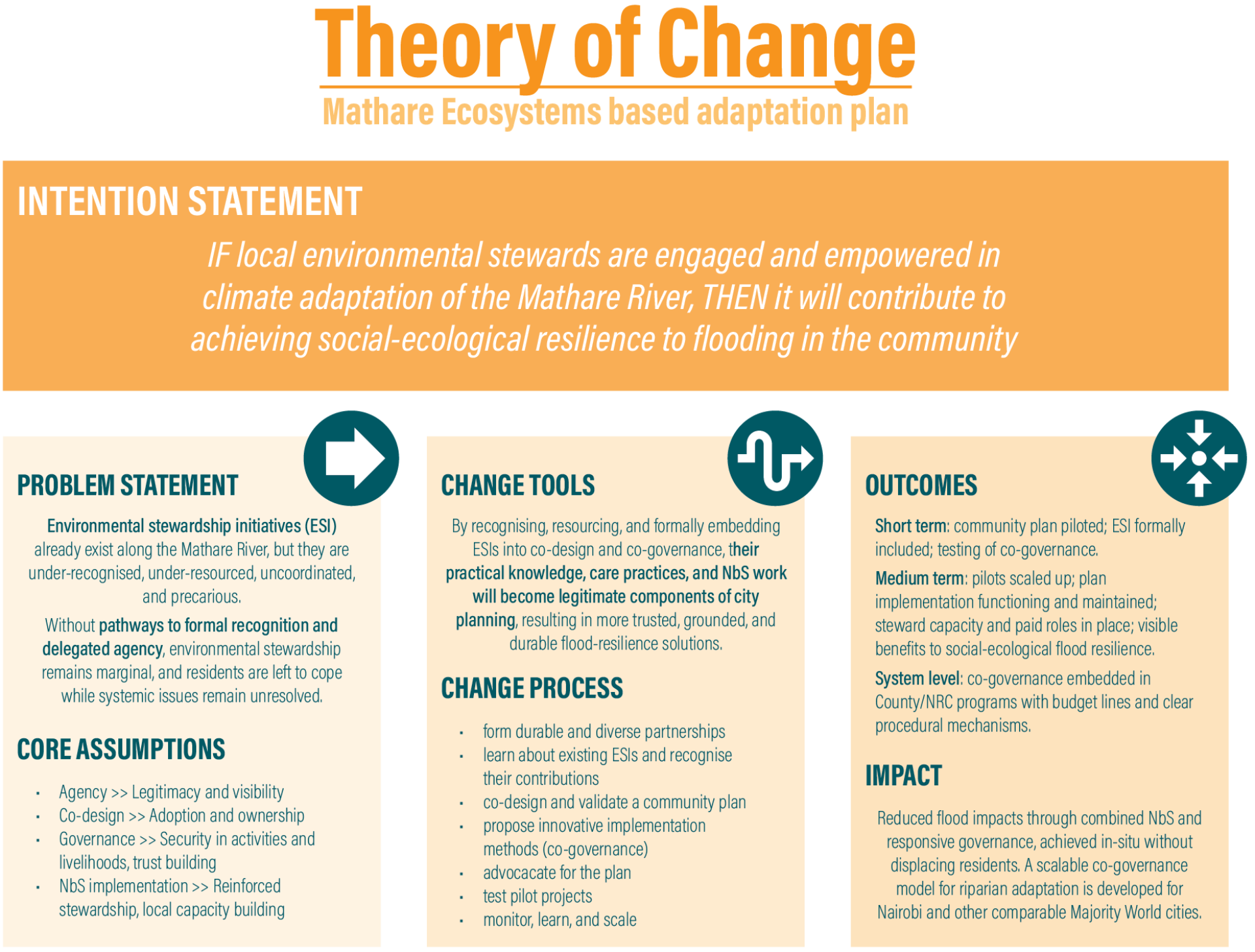
Figure 3: Theory of Change model. Vizualizations by Vija Viese, 2025.
Upholding ambitions
Early in the design process, the question of implementing the best practices in climate adaptation needed to be addressed. Academic literature often advocates for embracing local knowledge and experiences as the basis for design (Toomey et al., 2021). Yet it became clear that not only had local adaptive practices occasionally led to maladaptation, but that local knowledge had considerable gaps. In the informal setting, changes in climate conditions can be fast and multifaceted, resident turnover can hinder knowledge accumulation, and data collection can be irregular.
For the adaptation Trajectory to persist [P] (Fig.5), we needed to bring in external knowledge and experts to consolidate the gaps on both climate challenges and solutions. With adaptation defined as a cornerstone of our ToC, it allowed us to justify the additional efforts and resources in thoroughly addressing the issue.
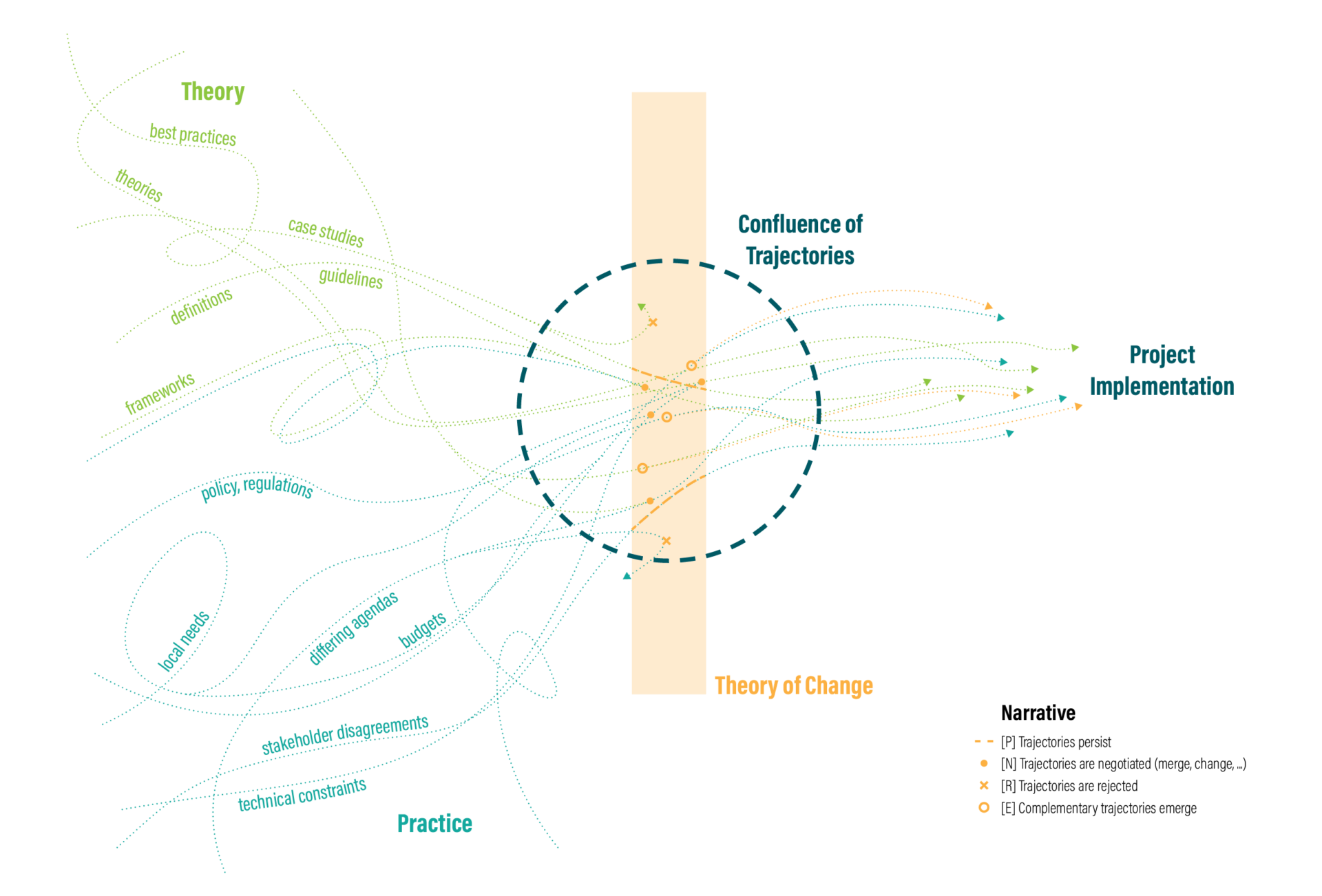
Figure 4: The Confluence of Trajectories – a visual representation by Vija Viese, 2025.
Legitimising decisions
During a discussion session with local authorities, scepticism was expressed about implanting urban agriculture into the plan, citing legislation that forbids animal husbandry in these spaces. While currently such activities do occur, our proposal could not promote illicit uses, even indirectly.
By presenting a collection of best practices of CBA with cases directly from Nairobi, as well as research indicating their positive impacts on physical and socio-economic challenges (e.g. Muchiri and Opiyo, 2022), we showed our vision of river ES. Positioning spatial manifestation of ES as a core need for achieving our ToC ambitions allowed these Trajectories to persist [P] in the detailed plans, even if in somewhat negotiated [N] forms.
Allowing innovation
Similarly, certain initial solutions needed to be revised when confronted with reality. While adapting the general plan to the contextualised flood impacts, we recognised that not all locations could be sufficiently protected only using green and nature-based solutions, as the community had initially intended. Additionally, local authorities upheld the opinion that all flood protective measures should be infrastructural.
Learning from local cases of mixed infrastructure efficiency (Mulligan et al., 2020) opened the doors to identify space for innovation. We could collectively pinpoint where the ‘business as usual’ functioning was mandatory (e.g. high flood impacts) and our Trajectories would be rejected [R], as well as spaces where green and innovative solutions could be imagined [N].
Making the intangible tangible
If integrating an intangible idea like ES into a design proposal was exciting and significant, its implementation into a spatial plan was no obvious task. Guided by the steps defined in our ToC, we mapped and surveyed the CBOs active in the area to understand their operations. Seeing commonalities between the actions, spaces, and installations that these groups used, the decision was made to allocate specific spaces that would be designed and dimensioned according to these activities. This allowed for our main Trajectories to continue in negotiated forms [N] and new solutions to emerge [E].
Identifying (and acting on) gaps
Finally, ToC led us to identify gaps in our knowledge and provided us with an ‘excuse’ to fill them with new, emerging [E] Trajectories.
For instance, drawing the allocated plots for CBO activity made us realise that putting these ideas on paper would not be sufficient as new conflicts of use, tenure, or decision-making could arise (Rivero-Villar and Vieyra Medrano, 2022). There was a need to accompany the spatial plan with robust co-governance mechanisms (Fransen et al., 2024) that would not only dictate fair ways to distribute and use these parcels but also appease tenure insecurity – often an obstacle for residents’ time and resource investment (Mulligan et al., 2017). Not having well-established examples of such governance mechanisms within our partnership, we opted for conducting additional surveys with local stakeholders who shared their experience and innovations. Thus, we established a set of pathways for co-governance that could be further negotiated with the local government.
While this illustration of ToC use is by no means exhaustive, I consider it to be a relevant contribution in discourse on theory-practice linkages in urban design practice-based research.
Conclusion
This essay provides a snapshot of how the knowledge on climate adaptation and environmental stewardship was translated, negotiated, and transformed during a community-led urban design project in Mathare, Nairobi. By focusing on the moment of transition from abstract plans to realised interventions – the moment I call the Confluence of Trajectories – it shows how the use of Theory of Change as an actionable methodological tool allowed us to resolve the frictions that arose in this ‘translation’ process.
From its onset, the community positioned the process as particularly ambitious, centring ecological, economic, and social futures into the riparian spaces. Concretely, this meant that the notions of environmental stewardship – usually a form of spontaneous and individual environmental activism – were to become a tangible, encouraged, and legitimised part of the design.
Rather than aspiring to the faithful execution of ‘perfect’ theories, the essay argues that implementation necessarily produces imperfect, negotiated outcomes shaped by local constraints, power relations, regulations, and lived realities. In this sense, practice cannot and should not aim to be the physical manifestation of theoretical knowledge. During this process, I learnt to see the negotiated design pathways as a situated form of theory where the multiplicity of Trajectories meets and intertwines within the Confluence.
Literature
Ahern, J. (2011) ‘Sustainability and Resilience in the New Urban World’, Landscape and Urban Planning, April, 100, pp. 341–343.
Bayat, A. (1997) ‘Un-civil society: The Politics of the 'Informal People',Third World Quarterly, March, Vol. 18, pp. 53–72.
Beilin, R. & Wilkinson, C. (2015) ‘Introduction: Governing for Urban Resilience', Urban Studies, May, Vol. 52, pp. 1205–1217.
Bennett, N. J. et al. (2018) ‘Environmental Stewardship: A Conceptual Review and Analytical Framework', Environmental Management, April, Vol. 61, pp. 597–614.
Buijs, A. E. et al. (2016) ‘Active Citizenship for Urban Green Infrastructure: Fostering the Diversity and Dynamics of Citizen Contributions through Mosaic Governance', Current Opinion in Environmental Sustainability, October, Vol. 22, pp. 1–6.
Candy, L., Edmonds, E. & Vear, C. (2021) Practice-based Research. London: Routledge.
Coates, T. (2015) ‘Understanding Local Community Construction through Flooding: The ‘Conscious Community’ and the Possibilities for Locally Based Communal Action', Geo: Geography and Environment, 2, pp. 55–68.
Fox, A., Ziervogel, G. & Scheba, S. (2023) ‘Strengthening Community-Based Adaptation for Urban Transformation: Managing Flood Risk in Informal Settlements in Cape Town', Local Environment, July, 28, pp. 837–851.
Fransen, J., Hati, B., Simon, H. K. & van Stapele, N. (2024) ‘Adaptive Governance by Community-Based Organisations: Community Resilience Initiatives during Covid-19 in Mathare, Nairobi', Sustainable Development, Vol. 32, pp. 1471–1482.
Galvin, M. (2019) ‘Making Community-Based Adaptation a Reality: Different Conceptualisations, Different Politics', Human Geography, March, Vol. 12, pp. 50–63.
Haque, A. N. (2021) ‘Climate Risk Responses and the Urban Poor in the Global South: the Case of Dhaka's Flood Risk in the Low-Income Settlements', International Journal of Disaster Risk Reduction, October, Vol. 64.
Johnson, L. et al. (2023) ‘Intervention: The Invisible Labor of Climate Change Adaptation. Global Environmental Change', December, Vol. 83.
Maskell, G. et al. (2025) ‘Dichotomy or Continuum? A Global Review of the Interaction Between Autonomous and Planned Adaptations', Ecology and Society, February. Vol. 30.
McEwen, L. et al. (2017) ‘Sustainable Flood Memories, lay Knowledges and the Development of Community Resilience to Future Flood Risk', Transactions of the Institute of British Geographers, Vol. 42, pp. 14–28.
McNay, L. (2014) The Misguided Search for the Political. Cambridge: Polity Press.
Mitlin, D. (2008) ‘With and Beyond the State — Co-Production as a Route to Political Influence, Power and Transformation for Grassroots Organizations', Environment and Urbanization, October, Vol. 20, pp. 339–360.
Muchiri, C. N. & Opiyo, R. O. (2022) ‘Community Adaptation Strategies in Nairobi Informal Settlements: Lessons from Korogocho, Nairobi-Kenya', Frontiers in Sustainable Cities, September. Vol. 4.
Mulligan, J. et al. (2020) Hybrid Infrastructures, Hybrid Governance: New Evidence from Nairobi (Kenya) on Green-Blue-Grey Infrastructure in Informal Settlements', Anthropocene, March, Vol. 29.
Mulligan, J. et al. (2017) ‘Community-Responsive Adaptation to Flooding in Kibera, Kenya', Proceedings of the Institution of Civil Engineers - Engineering Sustainability, October, Vol. 170, pp. 268–280.
Puzyreva, K. et al. (2022)‘Professionalization of Community Engagement in Flood Risk Management: Insights from four European Countries', International Journal of Disaster Risk Reduction, March, Vol. 71.
Quigley, M., Blair, N. & Davison, K. (2018) ‘Articulating a Social-Ecological Resilience Agenda for Urban Design', Journal of Urban Design, March, Vol. 23, pp. 581–602.
Rivero-Villar, A. & Vieyra Medrano, A. (2022) ‘Governance for Urban Resilience in Popular Settlements in Developing Countries: a Case-Study Review', Climate and Development, March, Vol. 14, pp. 208–221.
Scaini, A. et al. (2024) ‘Pathways from Research to Sustainable Development: Insights from Ten Research Projects in Sustainability and Resilience', Ambio, February.
Seebauer, S., Ortner, S., Babcicky, P. & Thaler, T. (2019) ‘Bottom-up Citizen Initiatives as Emergent Actors in Flood Risk Management: Mapping Roles, Relations and Limitations', Journal of Flood Risk Management, August, Vol. 12.
Stein, D. & Valters, C. (2012) Understanding Theory of Change in International Development, London: Justice and Security Research Programme, International Development Department, London School of Economics and Political Science.
Toomey, A. H. et al. (2021) ‘Place-making, Place-disruption, and Place Protection of Urban Blue Spaces: Perceptions of Waterfront Planning of a Polluted Urban Waterbody', Local Environment, July, Vol. 26, pp. 1008–1025.