
Participant Space Spatial Experience between Installation, Art and Architecture
Introduction
Contemporary artistic practices have progressively transformed the understanding of space from a neutral container into an active condition capable of generating experience. Particularly within installation art, space is no longer conceived merely as a background for objects, but as a relational environment activated through movement, perception, and bodily engagement (Rebentisch, 2012). Visitors do not simply observe the work; rather, they become part of a spatial situation that unfolds through their presence and trajectory. This shift has significantly redefined the relationship between artwork, viewer, and environment. Rosalind Krauss’s concept of the “expanded field” (1979) already identified the dissolution of disciplinary boundaries between sculpture, architecture, and landscape, opening the possibility for spatial practices that operate beyond object-based logic. Since then, installation practices have increasingly focused on constructing situations of experience rather than isolated aesthetic objects.
In many contemporary installations, experience emerges through sequence, orientation, hesitation, adaptation, and bodily negotiation within space. The visitor’s movement becomes constitutive of the work itself. Spatial perception is therefore not static but temporal and relational. This understanding of space has been extensively explored within artistic practice, yet it has not been systematically translated into architectural design methodologies. Within architecture, discussions on spatial experience have traditionally focused on perception, atmosphere, ergonomics, or sensory qualities (Pallasmaa, 2005). Although movement has always been implicit in architectural space, it has often remained secondary to form, function, or visual composition. As a consequence, the experiential dimension of movement as a generator of spatial knowledge remains comparatively underdeveloped within architectural research.
Figure 1: Snoring. On Air Installation by Paula Vidal. Festival 48 Stunden Neukölln. Picture by Savannah van der Niet, 2024.
This article positions itself within the intersection between artistic spatial practices and architecture. It investigates how spatial configurations can actively produce embodied experience in cultural public spaces such as museums, galleries, and exhibition environments. Rather than understanding visitors as passive spectators, the research examines how spatial conditions can activate movement, decision-making, exploration, and participation. The article proposes the concept of Participant Space as a framework for understanding spatial experience as something produced through the interaction between body and environment. In this context, space is not considered a passive container or a reactive technological system, but an active structure that generates conditions requiring bodily negotiation and spatial engagement.
The research emerges from a practice-based methodology combining artistic experimentation, spatial design, observation, and analysis. Through the construction of pneumatic installations and the systematic observation of visitor behavior, the project investigates how ambiguity, instability, restriction, and uncertainty influence movement and perception. By situating itself between artistic research and architectural inquiry, the article seeks to contribute to current discussions on participation, embodied experience, and spatial agency within contemporary cultural spaces.
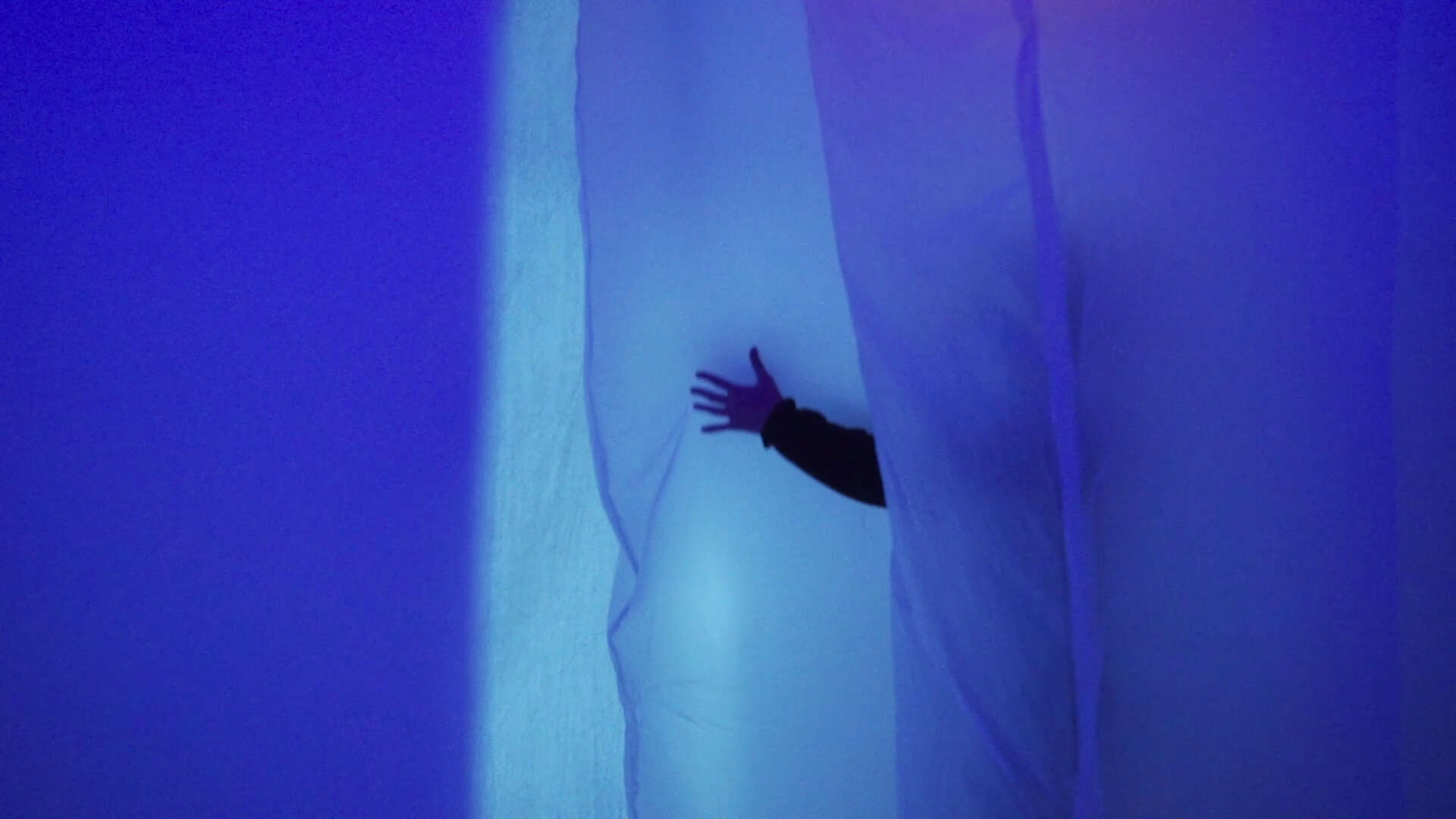
Figure 2: Dis/Order Installation by Paula Vidal. KSTN Projektraum. Picture by Joanna Piechotta, 2020.
Space As Experience
The relationship between space and experience has occupied a central position within both spatial theory and artistic practice throughout the twentieth century. Henri Lefebvre (1974) argued that space should not be understood as a neutral physical entity but as a social production shaped through lived practices and relations. Space is therefore continuously produced through interaction, movement, and experience.
Within artistic practice, installation art intensified this understanding by transforming the spectator into an active participant within spatial environments. Rebentisch (2012) describes aesthetic experience as a relational condition in which meaning emerges through the encounter between subject, object, and space. In installation art, the work cannot be separated from the bodily presence of the visitor moving through it. This perspective challenges traditional distinctions between observer and artwork. The visitor becomes implicated within the spatial situation itself. Experience unfolds through bodily negotiation: entering, crossing, orienting, hesitating, adapting, or choosing paths through space.
At the same time, spatial perception theories developed by Rudolf Arnheim (1977) emphasize how spatial organization structures visual and cognitive understanding. Movement through space is not merely physical displacement but also a perceptual and interpretative process. Similarly, Manfred Lehmbruck (1965) highlighted the physiological and rhythmic dimensions of movement within exhibition spaces, suggesting that spatial sequences directly affect bodily awareness and perception. However, many contemporary participatory or immersive environments rely heavily on technological systems, digital interaction, or mediated responsiveness. While these approaches produce forms of participation, they often shift attention toward reactive systems rather than toward the spatial configuration itself.
The present research focuses instead on how spatial conditions alone may generate participation and embodied engagement. The question is not how technology responds to users, but how space itself can structure behavior, perception, and decision-making through material, geometry, sequence, scale, instability, or ambiguity.
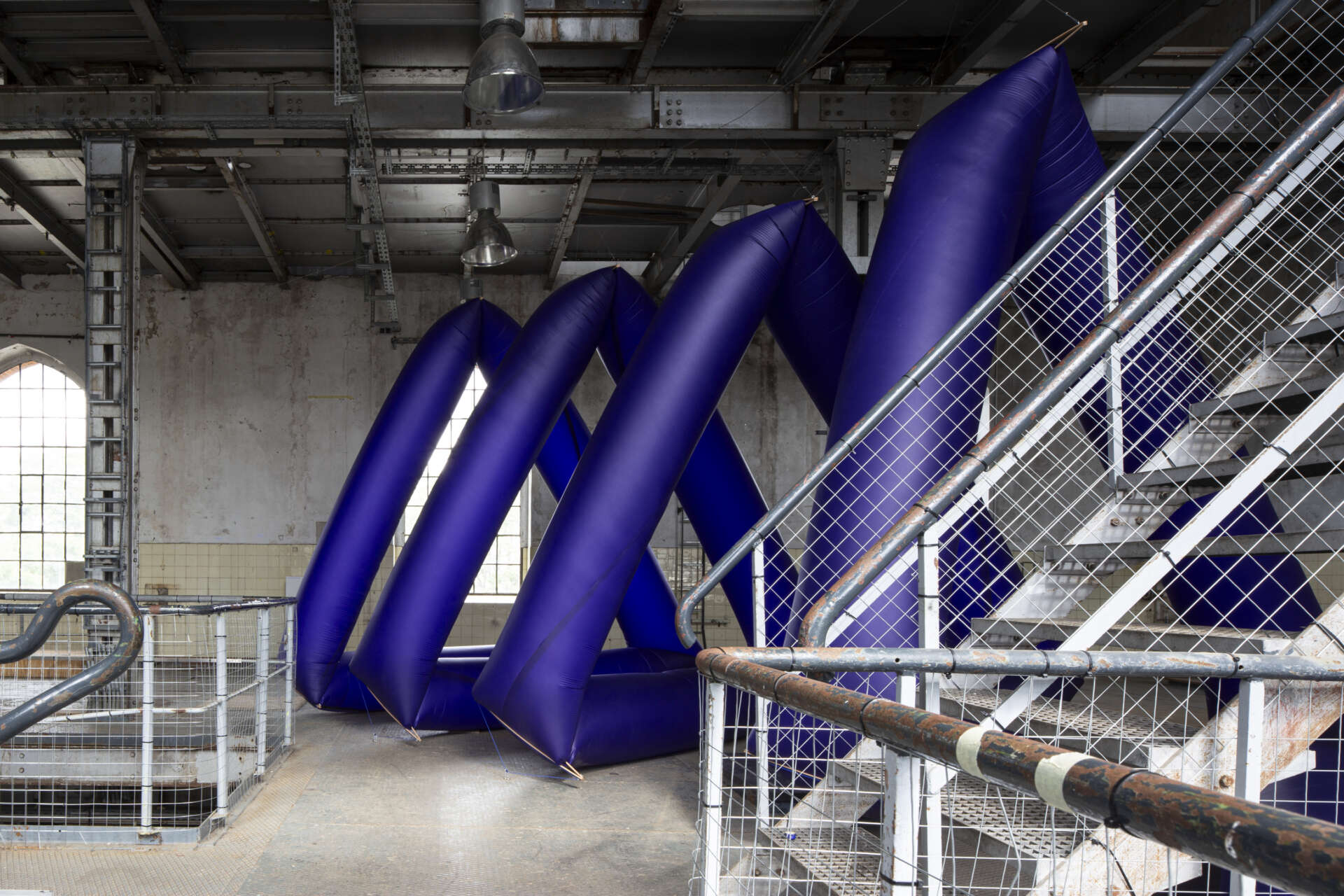
Figure 3: Deriva by Paula Vidal. Monopol Space, Berlin. Picture by Sara Sagui, 2024.
Participant Space
The concept of Participant Space emerges from this investigation as a way of describing spatial situations in which experience is actively produced through bodily interaction with the environment. Participant Space differs from conventional exhibition space because it does not position the visitor as an external observer. Instead, the visitor becomes spatially implicated within the construction of the experience itself. Movement is not secondary to the work but constitutive of it.
Within this framework, experience is generated through the relationship between two interconnected spatial conditions:
- Host Space: the architectural or environmental system that structures spatial conditions.
- Visitor Space: the artistic spatial field that generates dynamism in the user throughout bodily movement, perception, orientation, and action.
The interaction between these two dimensions produces the experiential condition of the space. Rather than being fixed, experience emerges relationally through negotiation between body and environment. The research proposes that certain spatial conditions tend to activate participation more intensely than others. Ambiguity, instability, compression, uncertainty, restricted visibility, sequential transitions, and changing orientations can provoke hesitation, exploration, adaptation, and decision-making processes. These conditions are particularly relevant because they reveal how space may act as an active agent without relying on technological responsiveness. Spatial configuration itself becomes capable of structuring behavior and generating experience.
Practice-Based Methodology
The research adopts a qualitative and practice-based methodology in which artistic production functions simultaneously as experimentation and knowledge generation (Candy & Edmonds, 2018). Rather than applying theory to finished designs, the project develops through an iterative process in which design, construction, observation, and analysis continuously inform one another. Spatial experimentation becomes a method for producing questions as well as results.
Central to the methodology is the design and construction of pneumatic installations used as experimental environments. Pneumatic structures are particularly relevant because of their perceptual ambiguity. Unlike conventional architectural structures, they challenge stable spatial expectations and require continuous bodily adaptation. These installations function not merely as artistic objects but as epistemic instruments through which spatial behavior can be observed and analyzed. The methodology combines several forms of investigation:
- direct observation of visitor movement and behavior;
- spatial mapping of trajectories and sequences;
- visual documentation through drawings, diagrams, photography, and video;
- comparative analysis across different installations and exhibition contexts;
- embodied experience of the researcher within the installations themselves.
Observation focuses on moments of hesitation, adaptation, uncertainty, exploration, resistance, and decision-making. Rather than treating behavior as measurable data alone, the research interprets these actions as indicators of how spatial conditions structure experience. The analysis develops through comparative interpretation between projects, identifying recurring patterns of interaction between body and environment. From these observations, an emerging taxonomy of spatial relations has been developed, including intrinsic, eccentric, and mediated-intrinsic conditions between Host Space and Visitor Space. This process seeks to transform experiential and intuitive knowledge into transferable architectural understanding.
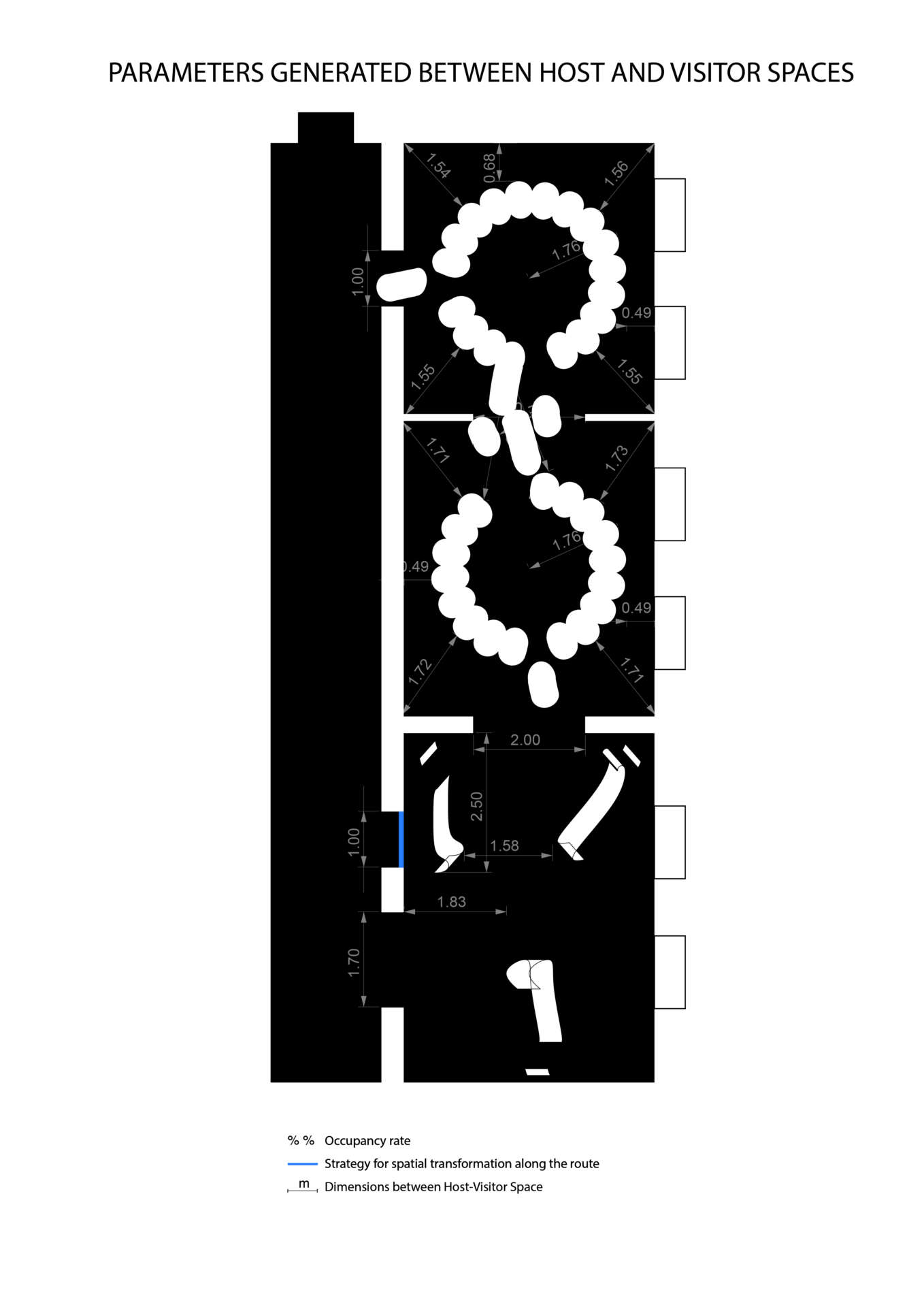
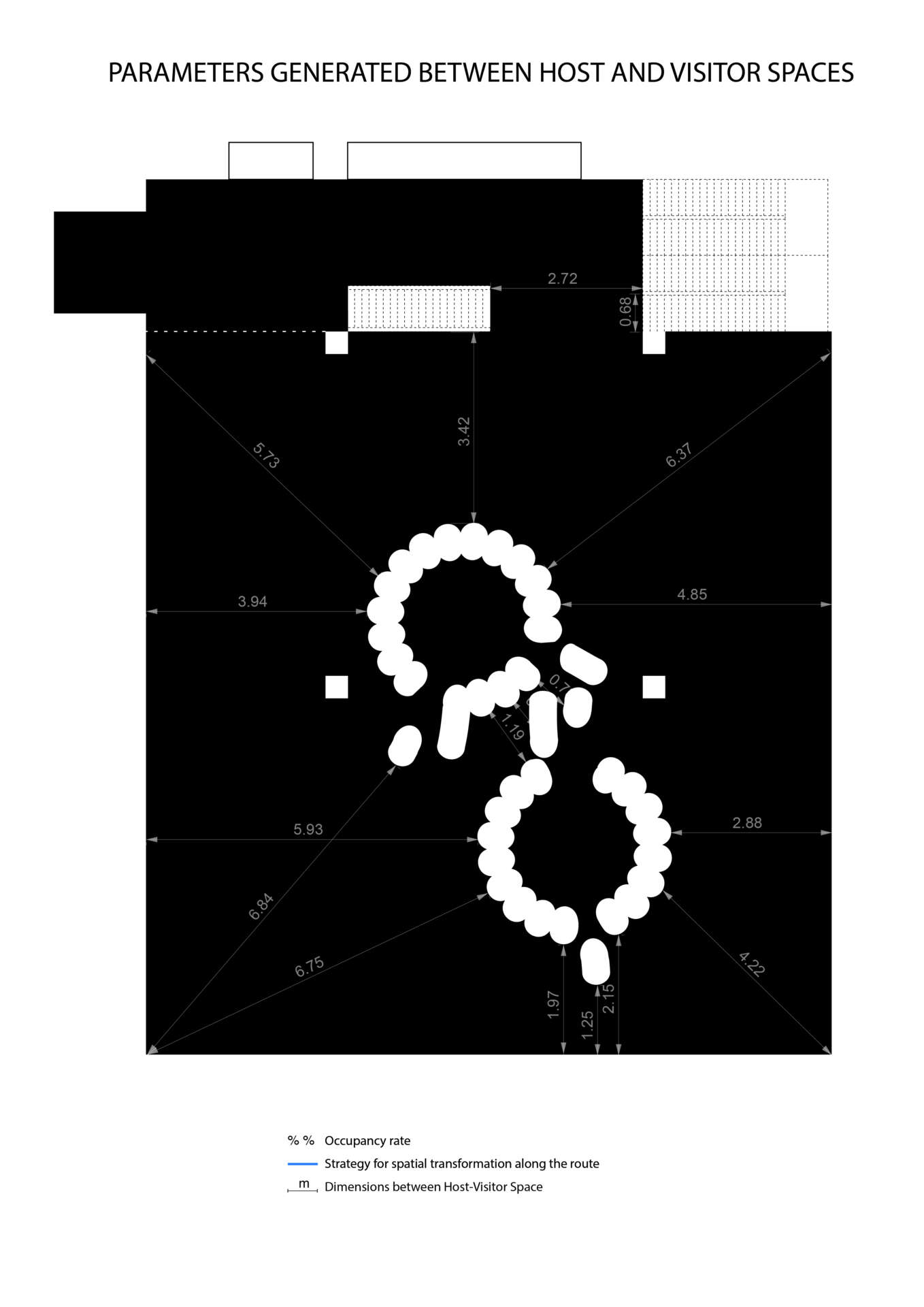
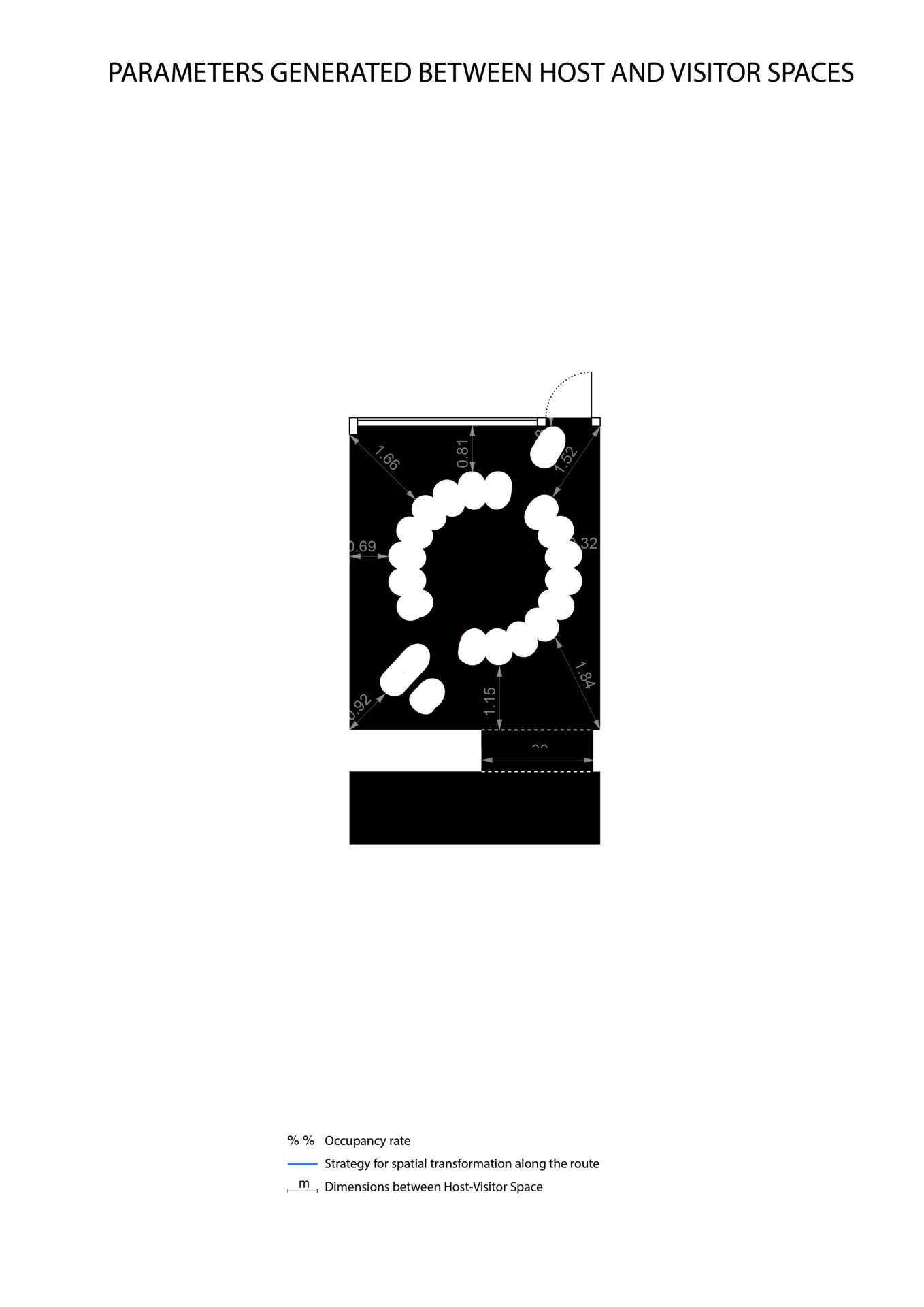
Figure 4: OSS Installation by Paula Vidal. GlogauAir Artspace, Monopol Berlin, Vorfluter Projektraum. Graphic by Paula Vidal, 2026.
Preliminary Experiments
The preliminary phase of the research has involved the development of multiple experimental installations exhibited across different cultural contexts in Germany, Spain, Austria, and Italy. These installations investigate how unconventional spatial environments influence bodily behavior and visitor engagement. Their presentation within museums, galleries, festivals, and public cultural spaces has provided opportunities to compare visitor responses under varying spatial conditions.
The experiments revealed recurring behavioral patterns associated with particular spatial situations. Ambiguous transitions often generated hesitation and exploratory movement. Compressed spaces increased bodily awareness and negotiation between visitors. Instability and perceptual uncertainty provoked slower movement and intensified attention toward spatial surroundings. The comparative observation of these installations also demonstrated how architectural context significantly affects participation. Variations in ceiling height, circulation systems, thresholds, visibility, and institutional framing altered the ways visitors approached and navigated the installations. Through these experiments, the research began developing diagrammatic tools capable of mapping spatial interaction and bodily trajectories. These representations function both analytically and projectively, allowing spatial relations to be compared across different environments. Importantly, the preliminary work suggests that participation may emerge not only through explicit interaction but also through the spatial conditions that require bodily adaptation and decision-making.
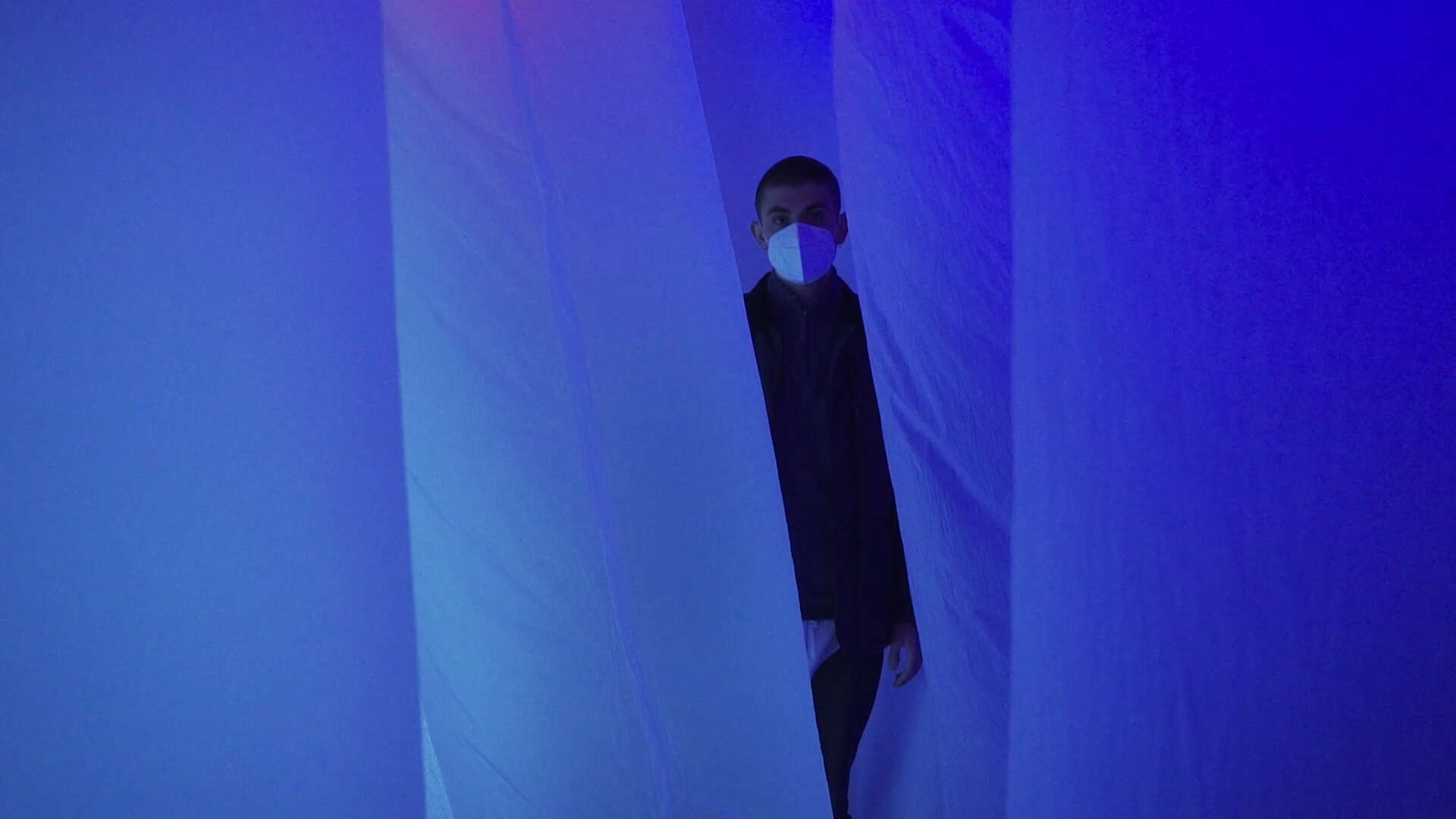
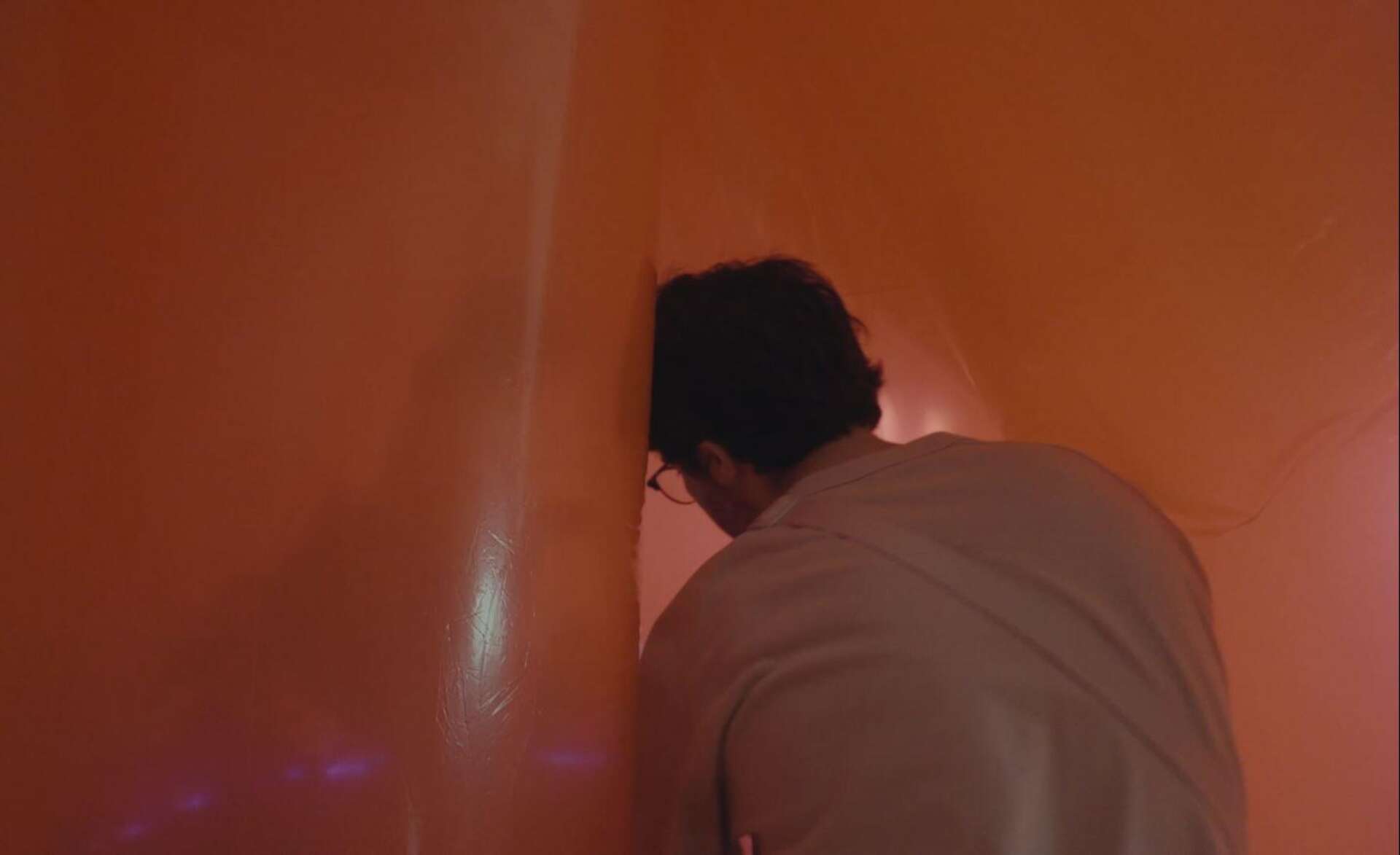
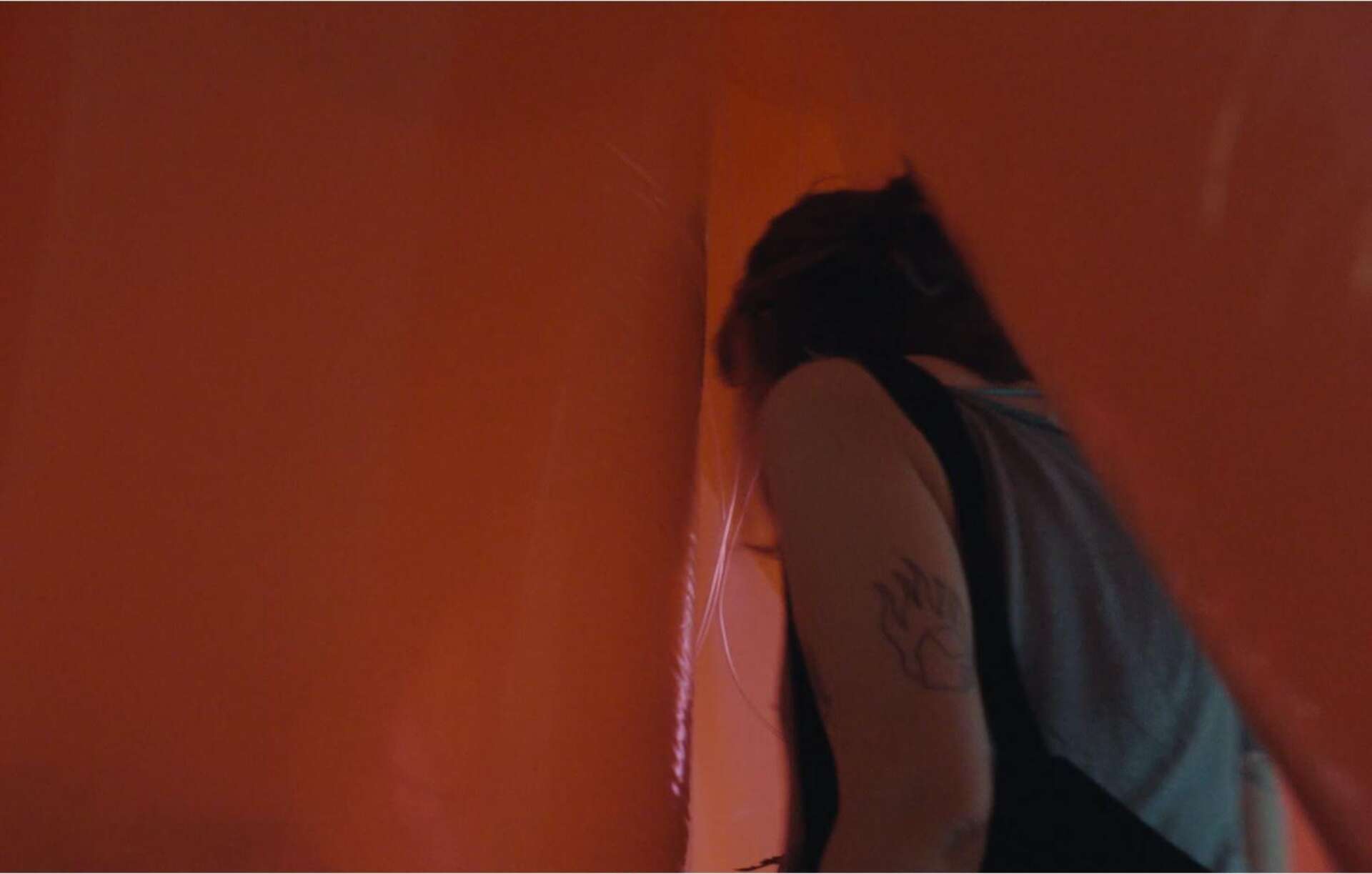
Figure 5: Dis/Order and OSS Installation by Paula Vidal. GlogauAir Artspace, KSTN Projektraum. Pictures by Joanna Piechotta, 2020-22.
Toward Architectural Transferability
One of the central aims of the research is to investigate how knowledge derived from artistic spatial practices may contribute to architectural design. Contemporary cultural spaces frequently position visitors within predetermined circulation systems optimized for observation and efficiency. However, installation art demonstrates that movement itself may become a generator of experience, perception, and engagement. The project, therefore, proposes that architecture can move beyond the conception of space as static form or neutral support. By understanding space as an active system capable of structuring embodied experience, architectural design may develop new approaches to participation and public engagement.The notion of Participant Space does not propose a singular design strategy but rather a relational framework for analyzing how spatial conditions affect bodily behavior. This framework may offer architects new tools for thinking about circulation, thresholds, sequence, orientation, ambiguity, and spatial agency. The transfer of these insights into architecture is particularly relevant for cultural public spaces, where experience increasingly plays a central role in how institutions engage audiences. Museums, galleries, and exhibition environments may therefore be reconsidered not simply as containers for cultural production but as active spatial systems capable of generating knowledge through experience itself.
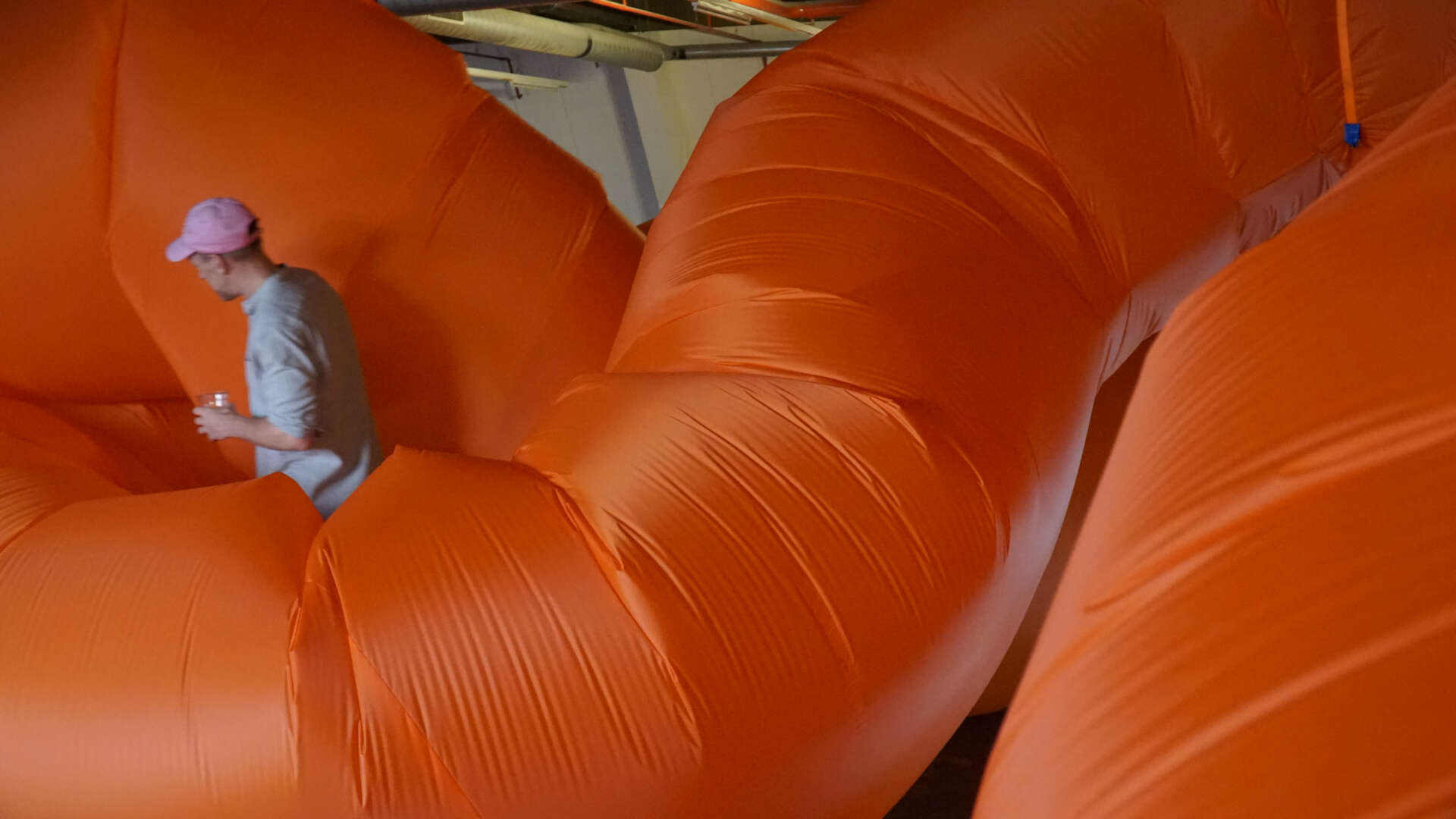
Figure 6: Snoring. On Air Installation by Paula Vidal. Festival 48 Stunden Neukölln. Picture by Savannah van der Niet, 2024.
Conclusion
This article has explored how contemporary artistic spatial practices, particularly installation art, provide important insights into the relationship between space, movement, and embodied experience. By examining space as an active agent rather than a passive container, the research proposes the concept of Participant Space as a framework for understanding how spatial configurations generate experience through bodily engagement. Through practice-based experimentation with pneumatic installations, the project investigates how ambiguity, variability, sequence, and spatial restriction influence movement, perception, and participation. The research combines artistic practice, observation, and architectural analysis in order to develop transferable forms of spatial knowledge. Situated between architecture and artistic research, the project contributes to ongoing discussions surrounding participation, spatial agency, and embodied experience within contemporary cultural spaces. Ultimately, it argues that architecture can learn from artistic spatial practices not only formally or aesthetically, but methodologically — by understanding movement and bodily negotiation as fundamental generators of spatial experience.
Literature
Krauss, R. (1979) Sculpture in the Expanded Field. October, 8. pp. 31–44. https://doi.org/10.2307/778224.
Rebentisch, J. (2012) Aesthetics of installation art. Berlin: Sternberg Press.
Careri, F. (2002) Walkscapes: Walking as an Aesthetic Practice. Barcelona: Gustavo Gili.
Tröndle, M. (2010) Studying Visitors in Museums.
Lehmbruck, M. (1965) Museum Architecture. Vol XXVI, n° 3/4, 1974.Unesco.
Bourriaud, N. (2002) Relational Aesthetics. Dijon: les Presses du réel (Documents sur l’art).
Muller, C. (2018). Spaces, Museum of Modern Art, New York, 1969/1970. Installation Art Taking Over The Museum. New York University.
Muller, C. (no date) ‘Installation Art taking over the Museum, ‘Spaces’ at MoMA, 1969/1970.
Lefebvre, H. (1974) La Production de l’Espace. Hoboken, New Jersey: Blackwell.
Arendt, H. (1958). The Human Condition. Chicago: University of Chicago Press.
Latour, B. (2005) Reassembling the Social: An Introduction to Actor-Network-Theory. Oxford University Press. Available at: https://doi.org/10.1093/oso/9780199256044.001.0001.
Pallasmaa, J. (2005) The Eyes of the Skin: Architecture and the Senses. Wst Sussex: Wiley.
Bailly, A.S. (1979) La percepción del espacio urbano: conceptos, métodos de estudio y su utilización en la investigación urbanistica. Madrid: Institutos de Estudios de Administración Local.
Arnheim, R. (1977) The Dynamics of Architectural Form. Berkeley: University of California Press.
Candy, L. and Edmonds, E.A. (2018). Practice-Based Research in the Creative Arts: Foundations and Futures from the Front Line, Leonardo, Volume 51, Issue 1, February. pp 63-69.