Planetary Infrastructures, Terrestrial Ecologies Non-Formulaic Artistic Research
This research investigates artistic practice as a dynamic, non-formulaic process for engaging with ecological monitoring, environmental conservation, and space-related technological infrastructures. Situated at the intersection of contemporary art, environmental humanities, space studies, and science and technology studies, the project positions artistic research as a critical and generative mode of inquiry, capable of responding to complex, entangled planetary conditions. Rather than treating art as a representational or illustrative supplement to scientific knowledge, the research serves as a methodological process, one that is speculative, situated, embodied, and responsive to uncertainty.
The project develops artistic narratives that connect geographically distant terrestrial sites, shaped by space exploration, satellite communication, planetary science, and the imaginaries that accompany them. These sites include launch complexes, telemetry stations, engineered islands, protected wildlife refuges, and communication networks that quietly underpin global communication systems. By tracing the material, ecological, and political dimensions of these infrastructures, the research reveals how planetary ambitions are inscribed into local ecologies, reshaping landscapes, multispecies relations, and modes of habitation on Earth.
Grounded in an embedded and evolving methodology, the research prioritises responsiveness, multimodality, and situated collaboration. Rather than following fixed research models or predetermined outcomes, it unfolds through iterative processes of fieldwork, long-term observation, dialogue, material experimentation, and creative communication. Artistic methods are allowed to shift in response to site conditions, collaborative exchanges, and emerging ecological or political urgencies. This openness resists the instrumentalisation of research and, instead, values attentiveness, uncertainty, and care as methodological principles.
Central to the artistic research process is sustained collaboration with biologists, NASA engineers, oceanographers, environmental scientists, writers, and other specialists. These collaborations do not seek to translate scientific data into aesthetic form, but rather to create shared spaces of inquiry, where different epistemologies can coexist and inform one another. In this context, art operates as a critical interface between scientific expertise, public discourse, and ecological awareness. It enables forms of sense-making that are affective, narrative, and spatial, expanding how knowledge about planetary systems and infrastructures can be generated and communicated.
Conceptually, the research interrogates how space exploration, often framed through narratives of technological progress, innovation, and future human survival, reconfigures terrestrial landscapes and ecologies in the present. Space-related infrastructures are approached, not as neutral or empty zones but as biodiverse, regulated, and politically charged environments, where Earth-bound ecologies coexist with planetary ambitions. Launch pads, antenna fields, and tracking stations become sites where endangered species, protected habitats, and advanced technologies intersect in complex and often contradictory ways.
By highlighting these entanglements, the research challenges corporate and state driven visions of space colonisation that imagine Earth as expendable or merely preparatory for extraterrestrial futures. Instead, it emphasises the fragile, interdependent ecosystems already affected by space activity and planetary scale technological systems. This perspective reframes space exploration as an Earthly practice with profound ecological consequences, calling for forms of stewardship and accountability that extend beyond nationalist or extractive logics.
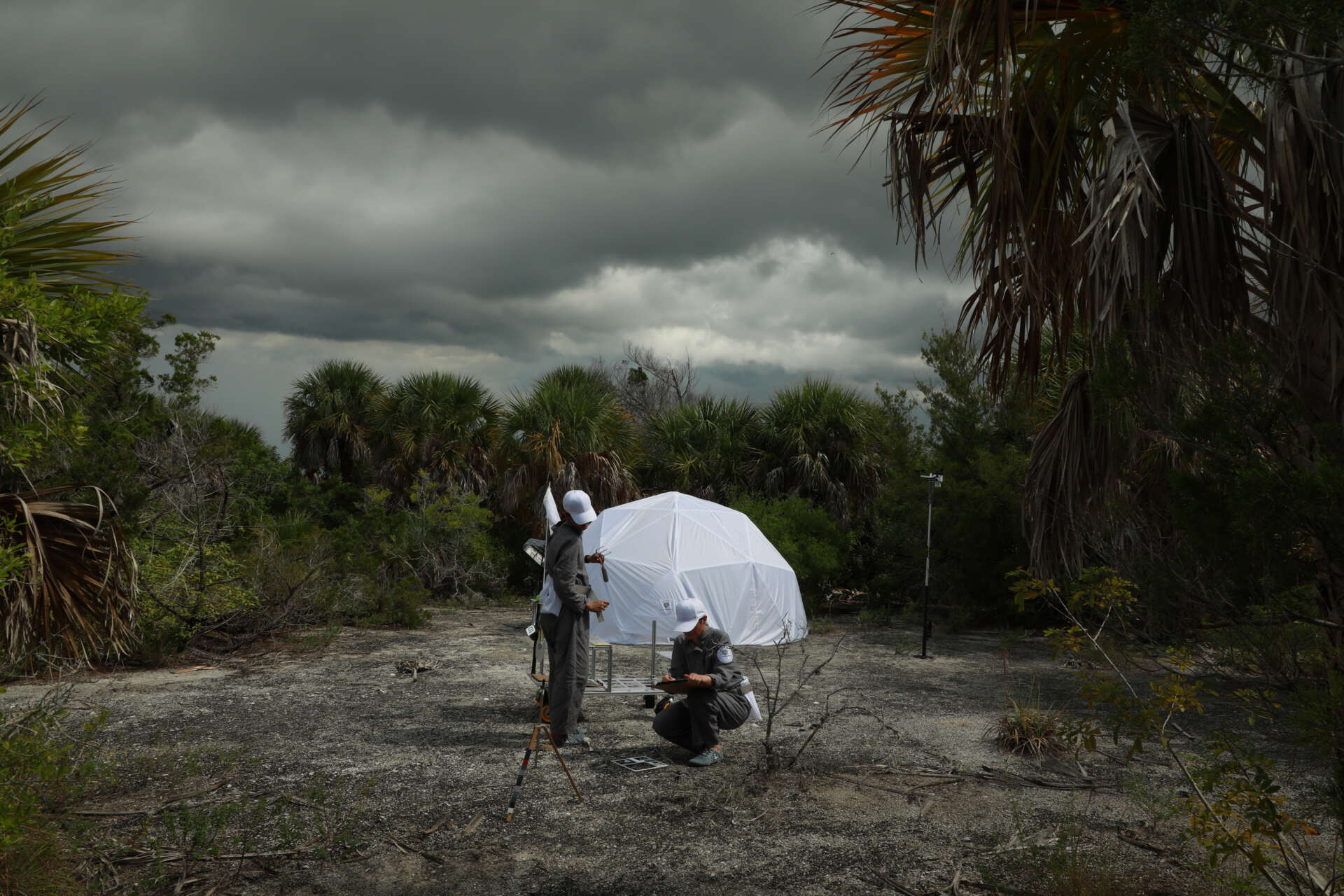
Another Final Frontier (2018–2021); a multi-year inquiry conducted on a man-made “spoil” island located within the shared footprint of NASA’s Kennedy Space Center and the Merritt Island National Wildlife Refuge in Florida. The project examined overlapping histories of dredging, terraforming, environmental modification, military activity, and space infrastructure development. Through sustained fieldwork, archival research, and collaboration with local scientists and conservationists, the project revealed unexpected ecological richness within one of the world’s most significant launch complexes.
Another Final Frontier explored how engineered landscapes initially created for industrial and technological purposes had, over time, become critical habitats for diverse plant and animal species. The work highlighted the paradoxical coexistence of extreme technological activity and ecological protection, exposing tensions between environmental conservation and planetary ambition. Artistic outcomes included exhibitions, public talks, and publications, as well as a site-responsive residency that culminated in the construction of a temporary habitat modelled on Mars analogue structures. This ephemeral architecture brought to light, impermanence, vulnerability, and ecological awareness as alternatives to extractive settlement models commonly associated with off world colonisation narratives.
Figure 1: Kitchen and Ogasian in the Field, Grey Island, Merritt Island, Florida, USA
Image Courtesy of Kitchen and Ogasian. Photo by Jessina Leonard.
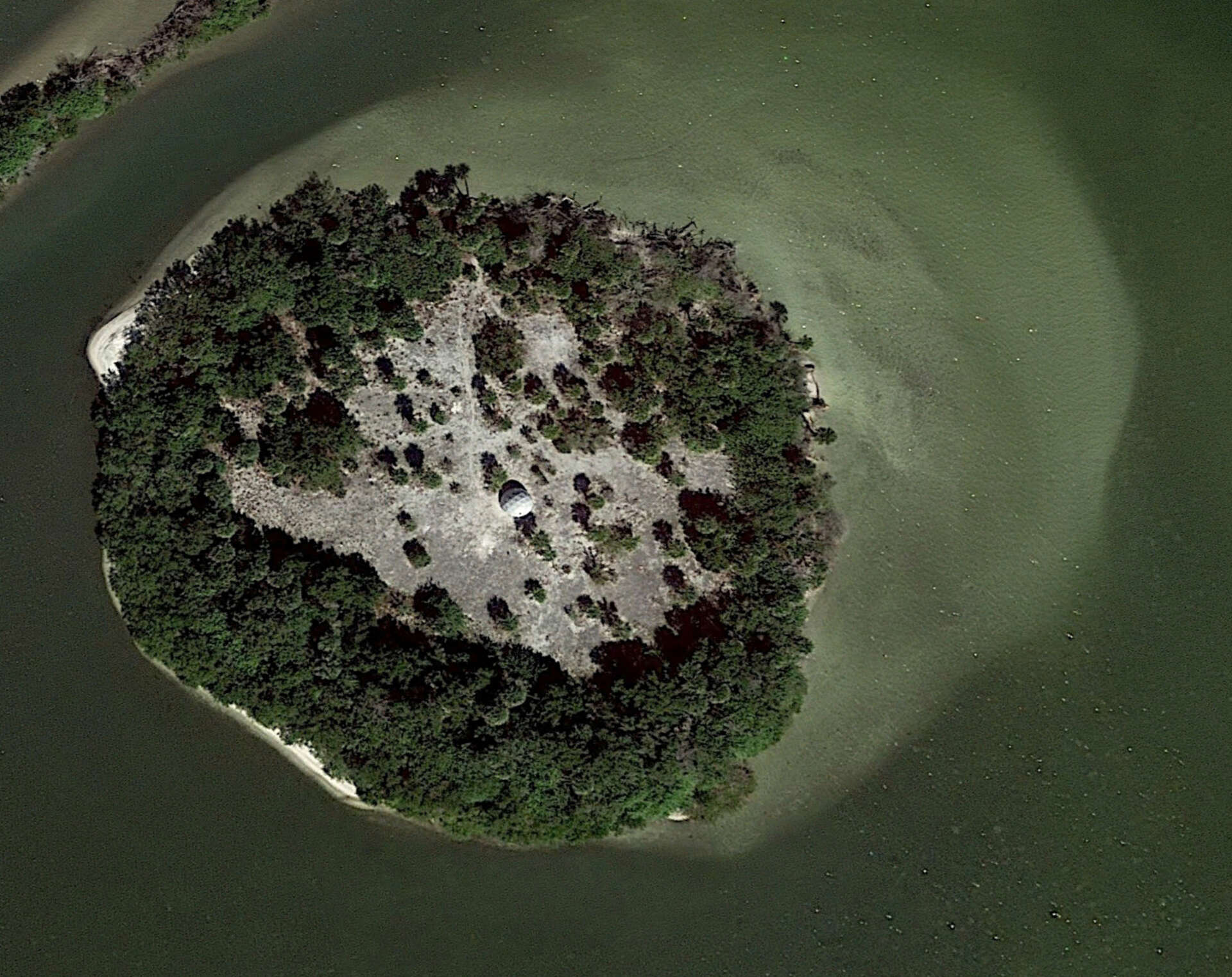
Figure 2: Imagery Data: 3 February 2020 Google, TerraMetrics 28°45" 22.0"N 80°45'47.0"W
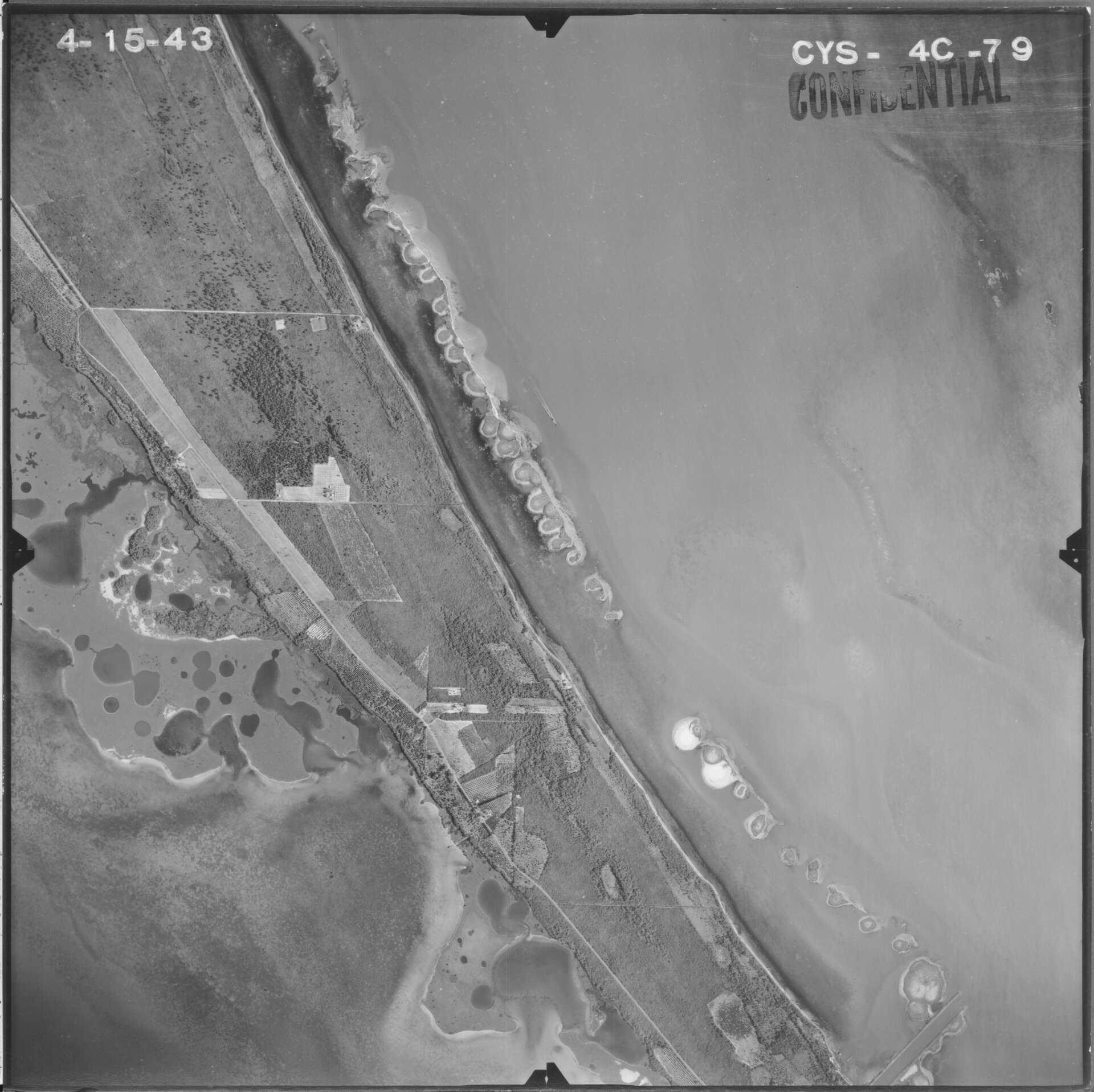
Figure 3: USDA, Flight 3, 18 March, 1951.
Image Courtesy of the University of Florida, Aerial Photography Collection.
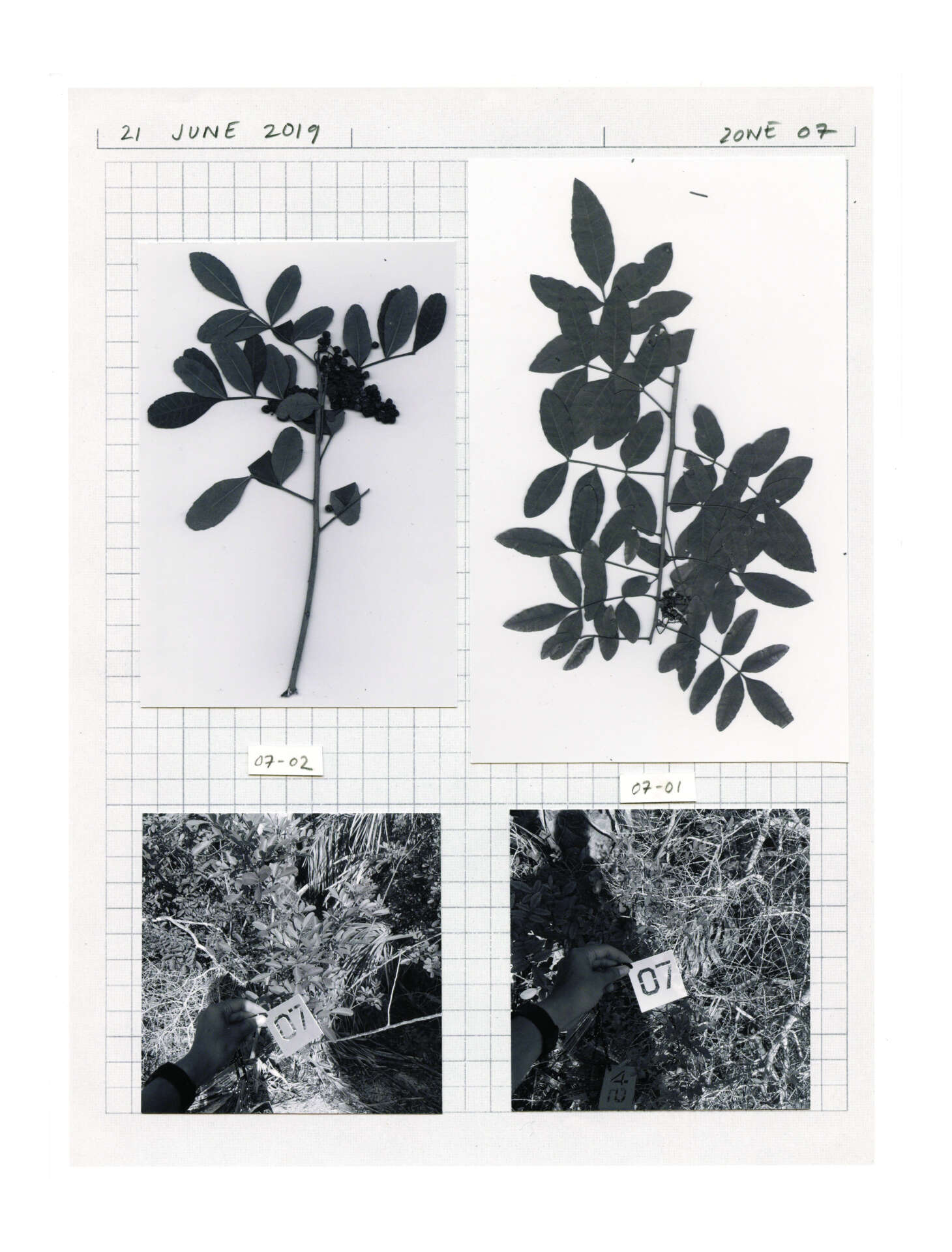
Figure 4: Samples Zone 07, Grey Island, Merritt Island, Florida, USA.
Image Courtesy of Kitchen and Ogasian.
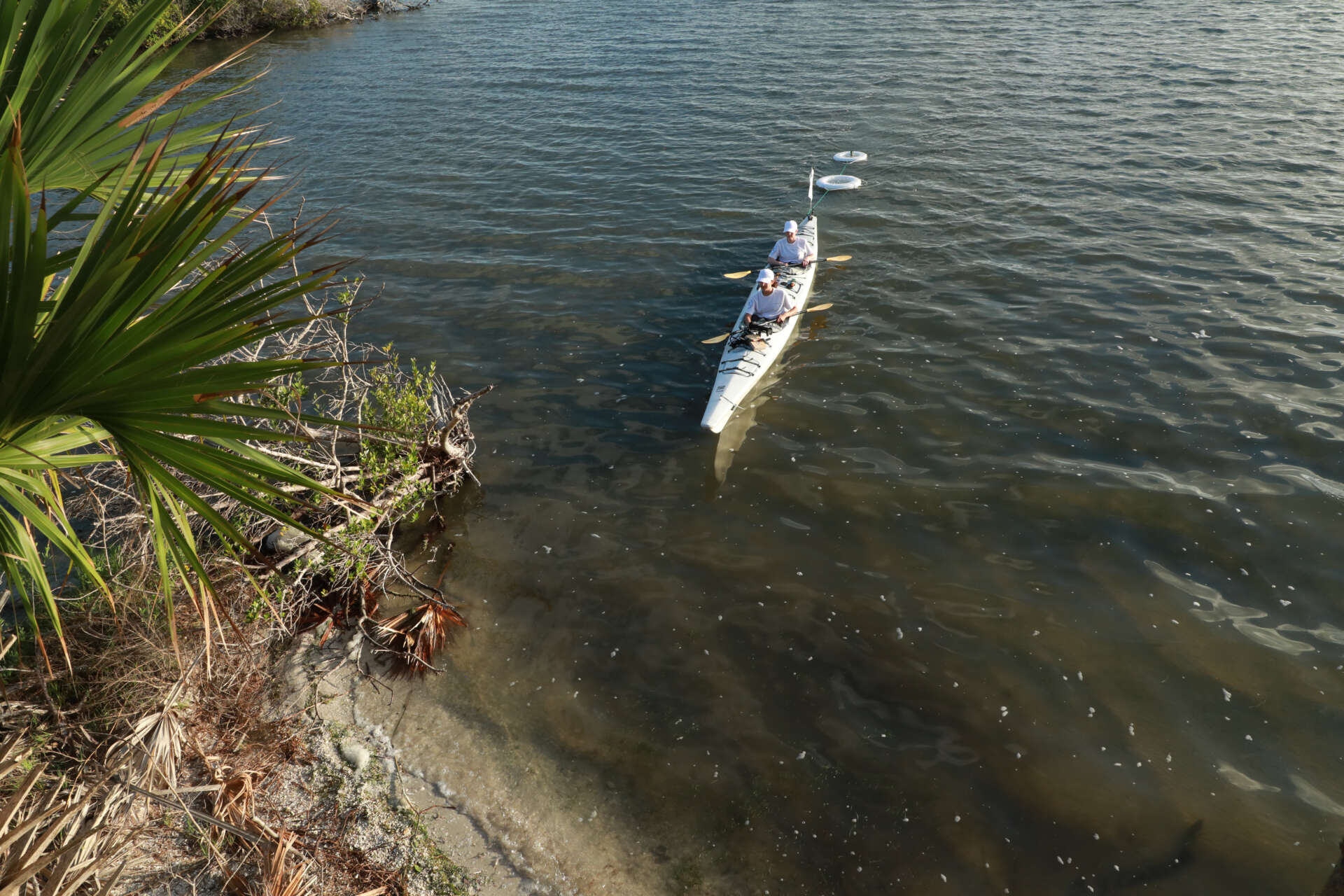
Figure 5: Kitchen and Ogasian take to the water, Mosquito Lagoon, Merritt Island, Florida,
USA Image Courtesy of Kitchen and Ogasian.
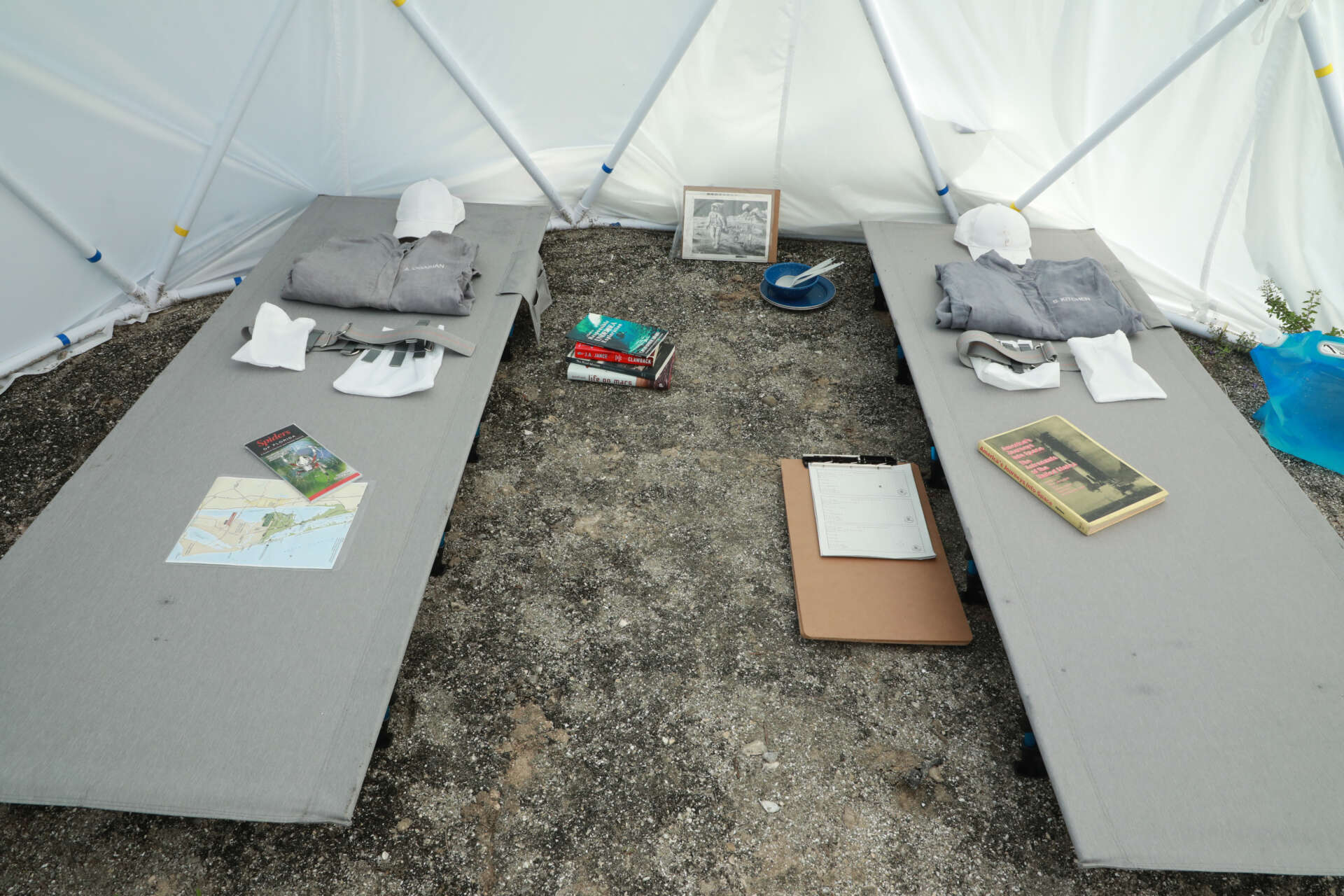
Figure 6: Habitat Interior View, Grey Island, Merritt Island, Florida, USA.
Image Courtesy of Kitchen and Ogasian. Photo by Jessina Leonard.
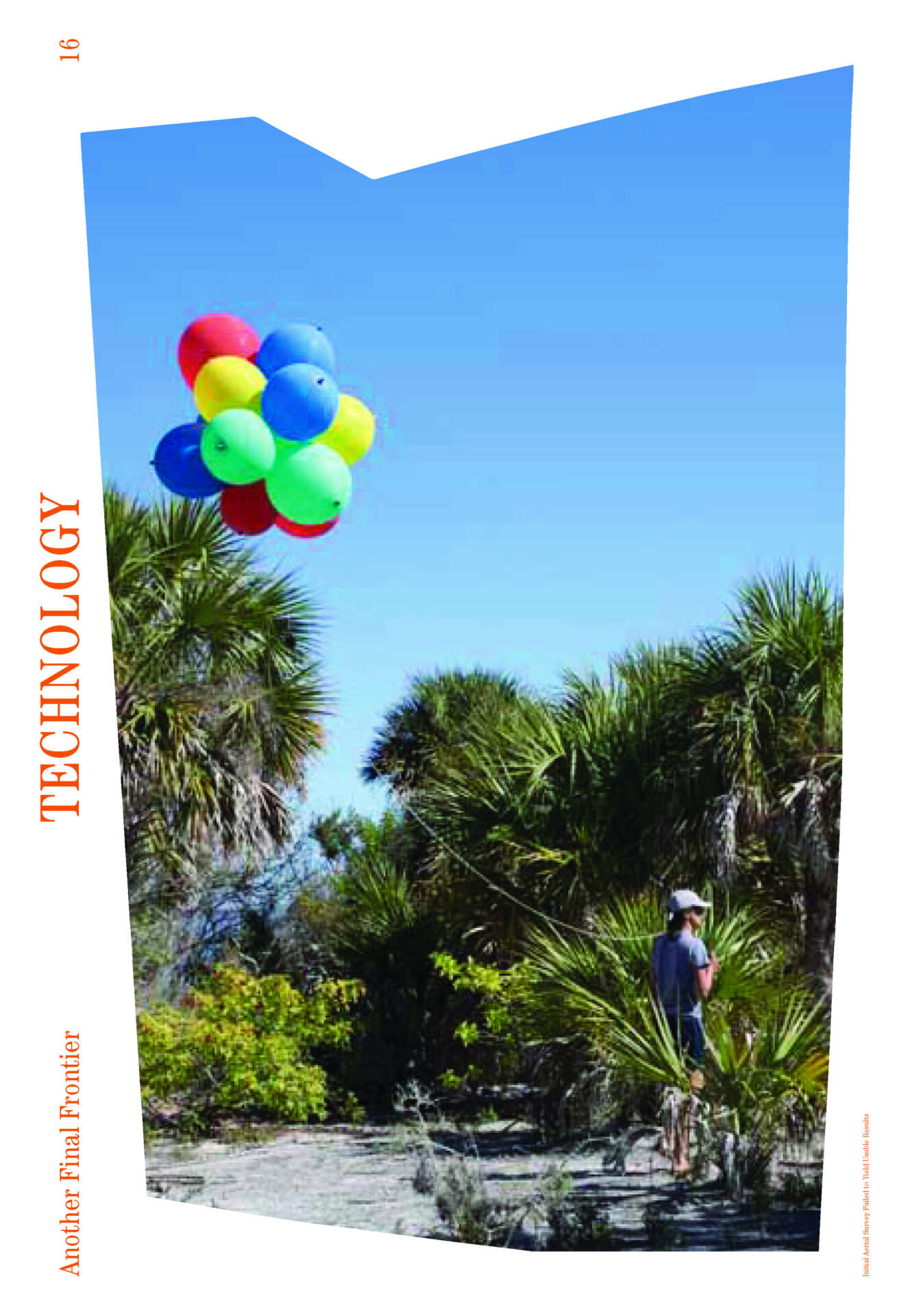
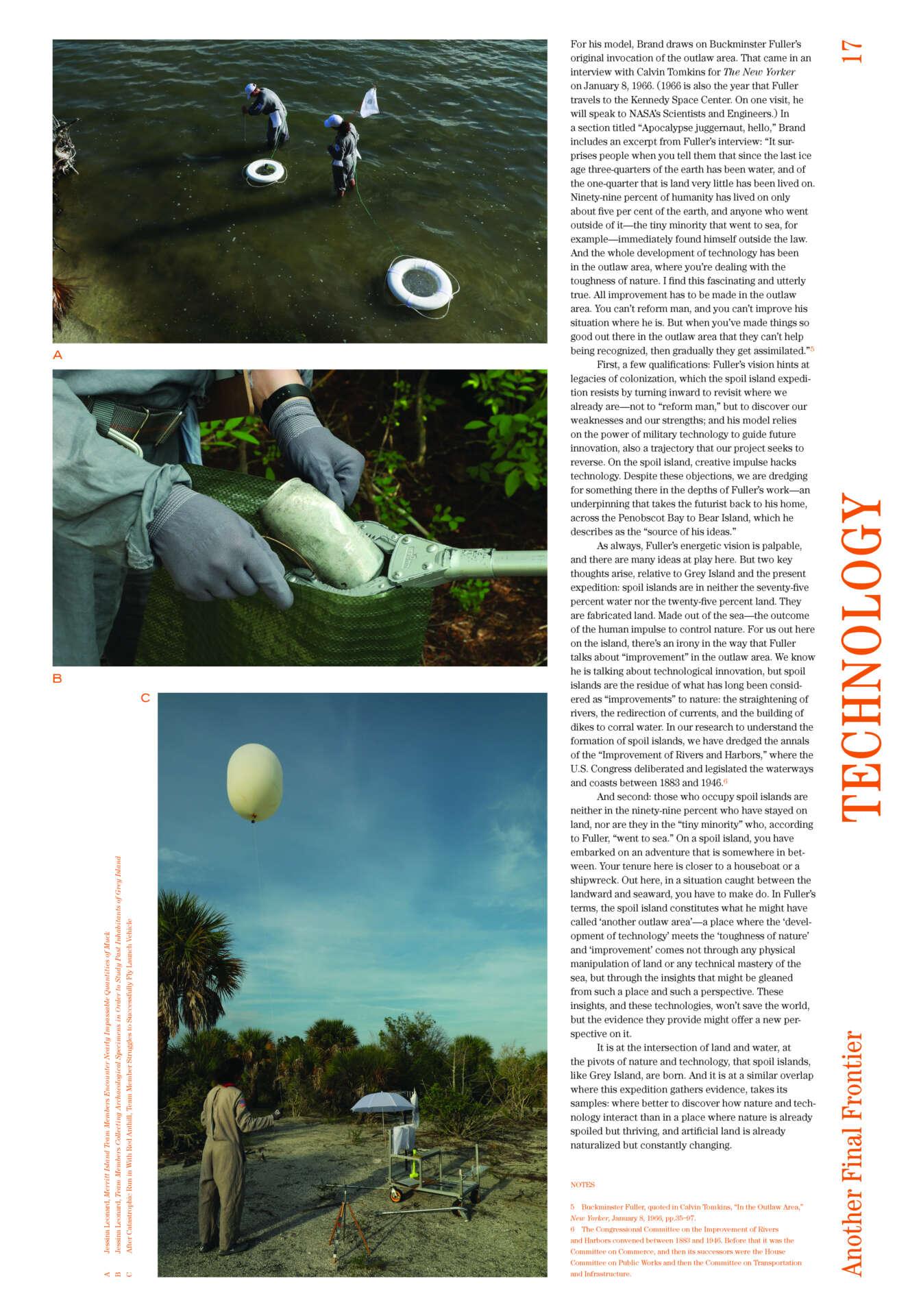
Figure 7: Public Program Booklet Images. Image Courtesy of Kitchen and Ogasian. Booklet Design by Ji Kim
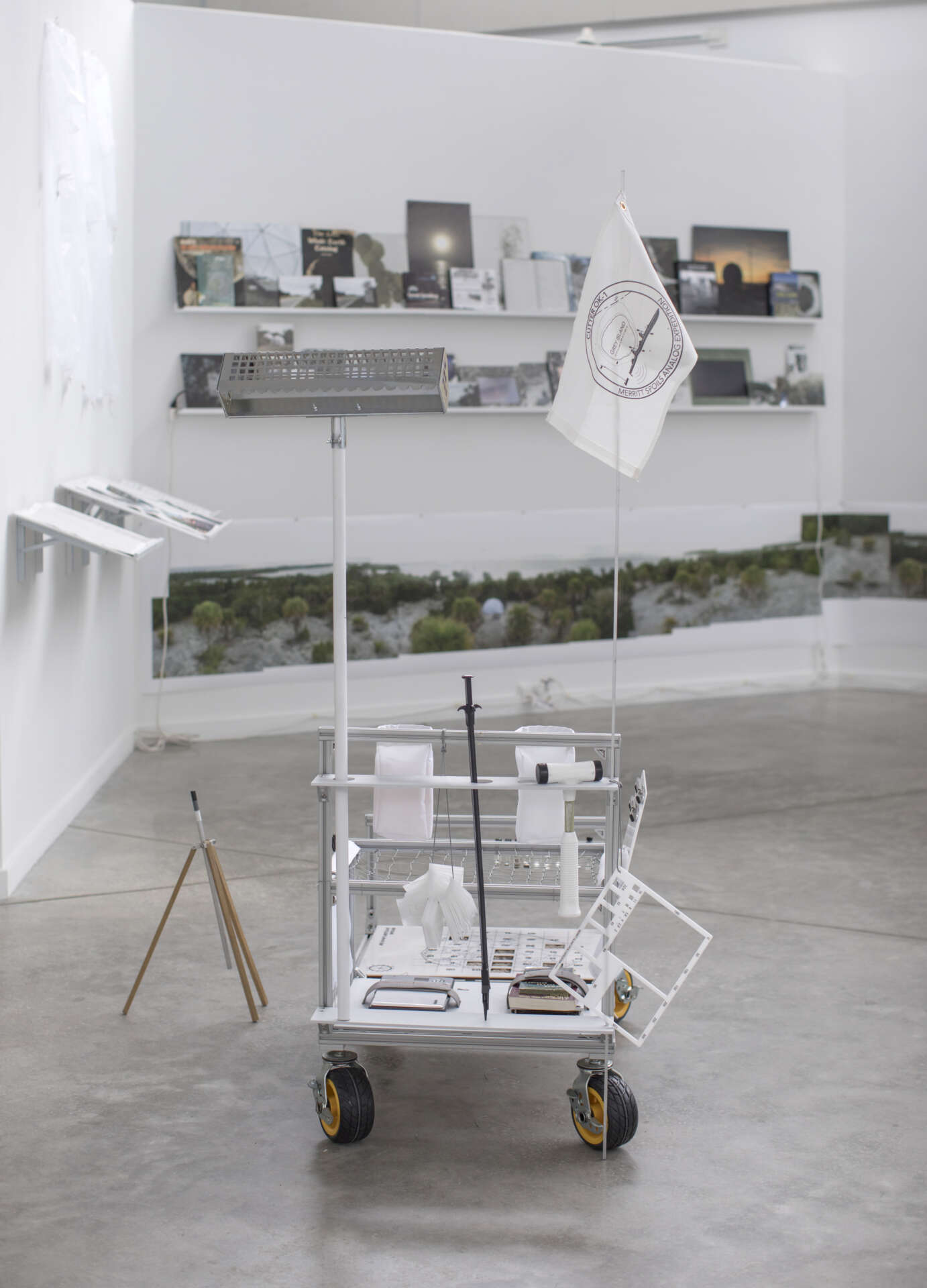
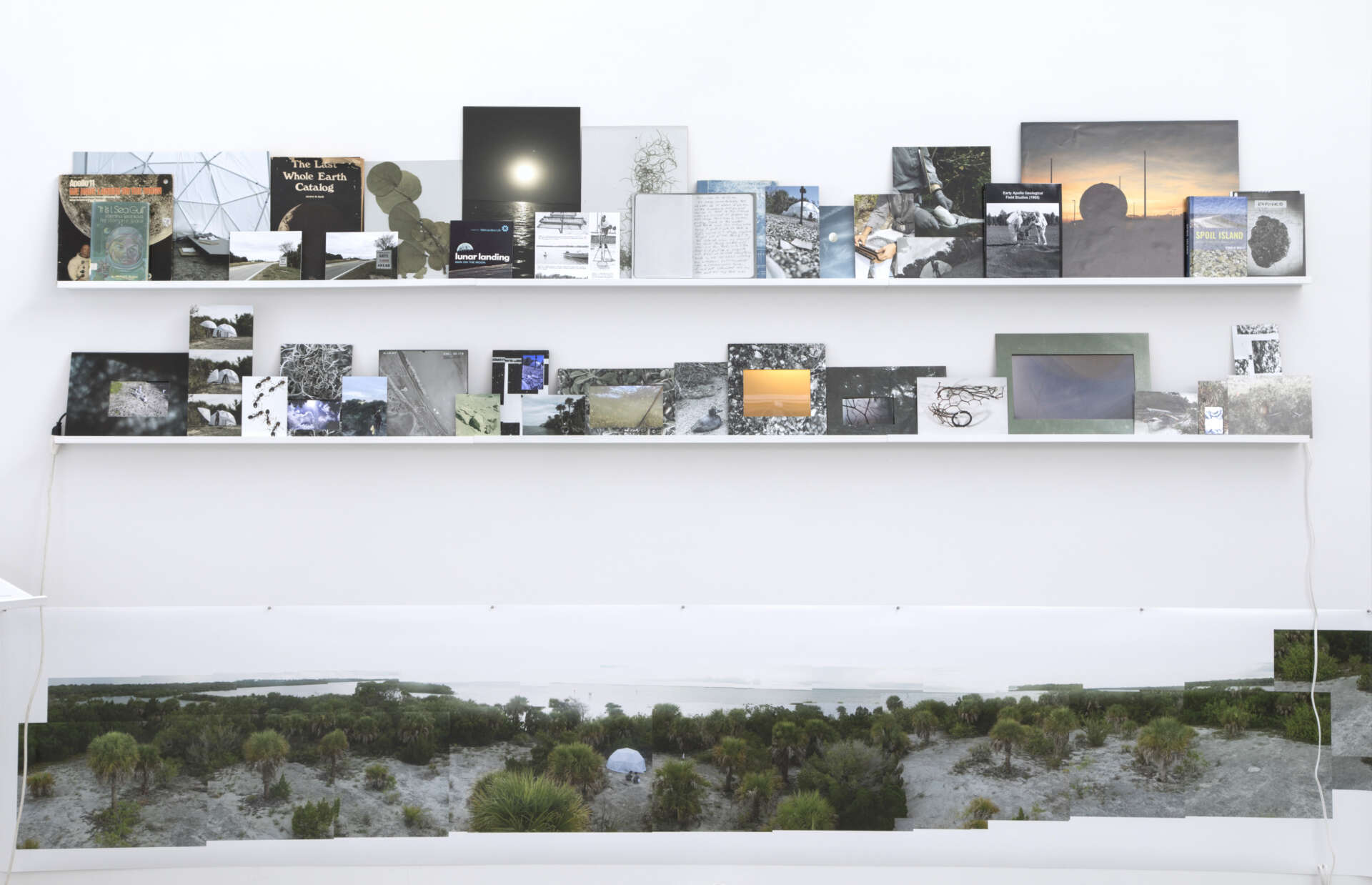
Figure 8: Made Ground 01 Exhibition Atlantic Center for the Arts, USA.
Image Courtesy of Kitchen and Ogasian, photo by Han Seok You.
This research trajectory extended into Made Ground 01 (2021), a site-specific public artwork commissioned for Governors Island in New York. Responding to contemporary debates around climate change, sea level rise, and geoengineering, the project addressed artificial land-making as both a historical practice and a speculative strategy for climate adaptation. Governors Island, itself constructed from excavated material, became a lens through which to consider how engineered ground functions as a testing site for future modes of habitation.
Through video, sound, sculptural elements, and stereoscopic imagery of Martian terrain, Made Ground 01 reframed spoil islands as speculative spaces where terrestrial and extraterrestrial imaginaries intersect. The work invited audiences to consider how strategies developed for space exploration might inform, but also complicate, responses to ecological instability on Earth. Initiating broader conversations on planetary urbanism, climate futures, and the politics of land.
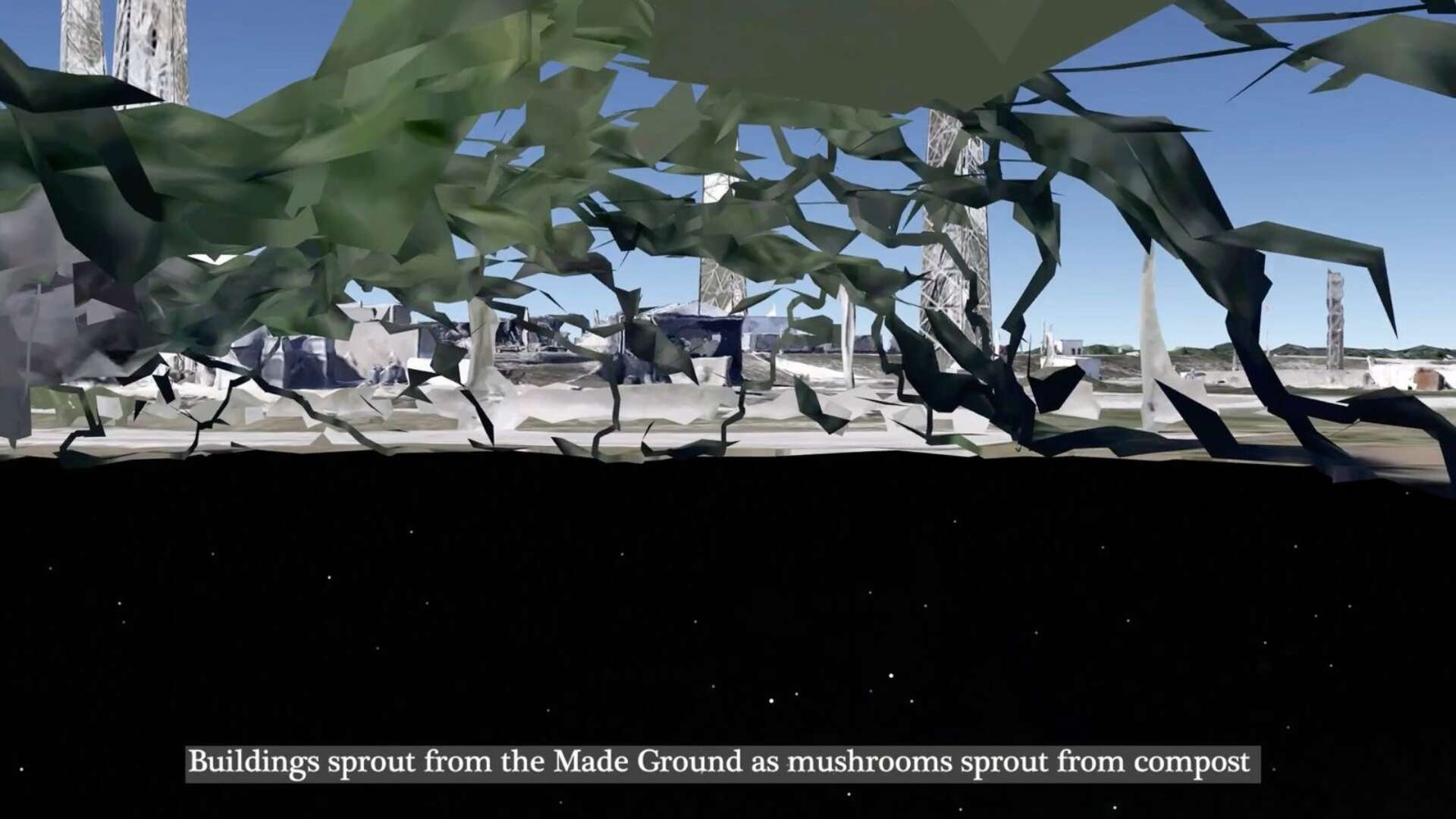
Figure 9: Screenshots of video, Courtesy of Kitchen and Ogasian.
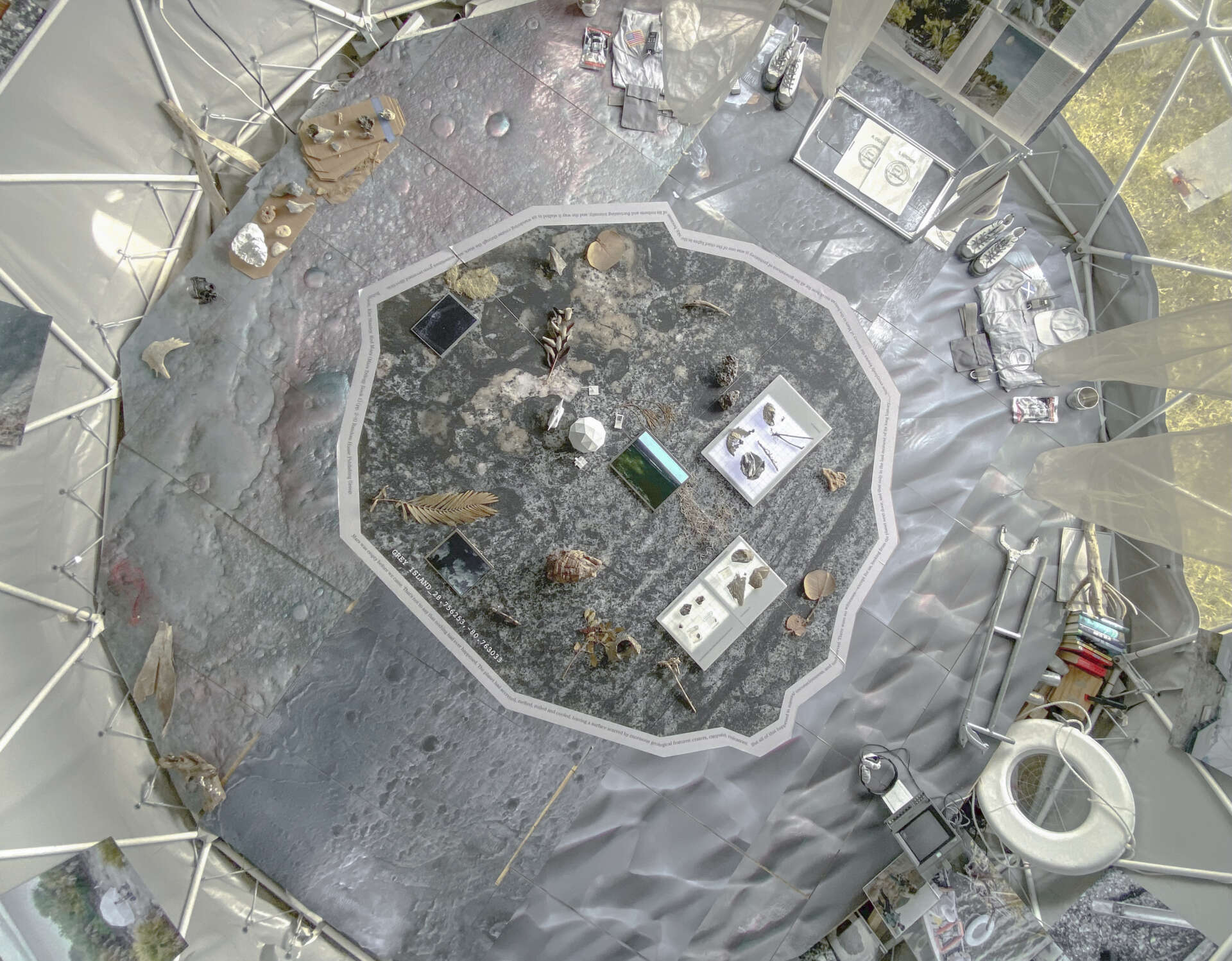
Figure 10: Made Ground 01 Exhibition on Governors Island, NYC, USA. Image Courtesy of Kitchen and Ogasian. Photo by Han Seok You.
Current projects continue this inquiry into space communication infrastructures and ecological monitoring systems. Networked Gyres examines technological and ecological entanglement through the narrative device of a fictional island, using the “net” as a conceptual and material metaphor. The net links satellite systems, oceanic currents, marine ecologies, data extraction, and nonhuman communication networks, highlighting how connectivity operates across scales and species. By weaving together fact and fiction, the project questions dominant narratives of control and optimisation embedded in global monitoring technologies.
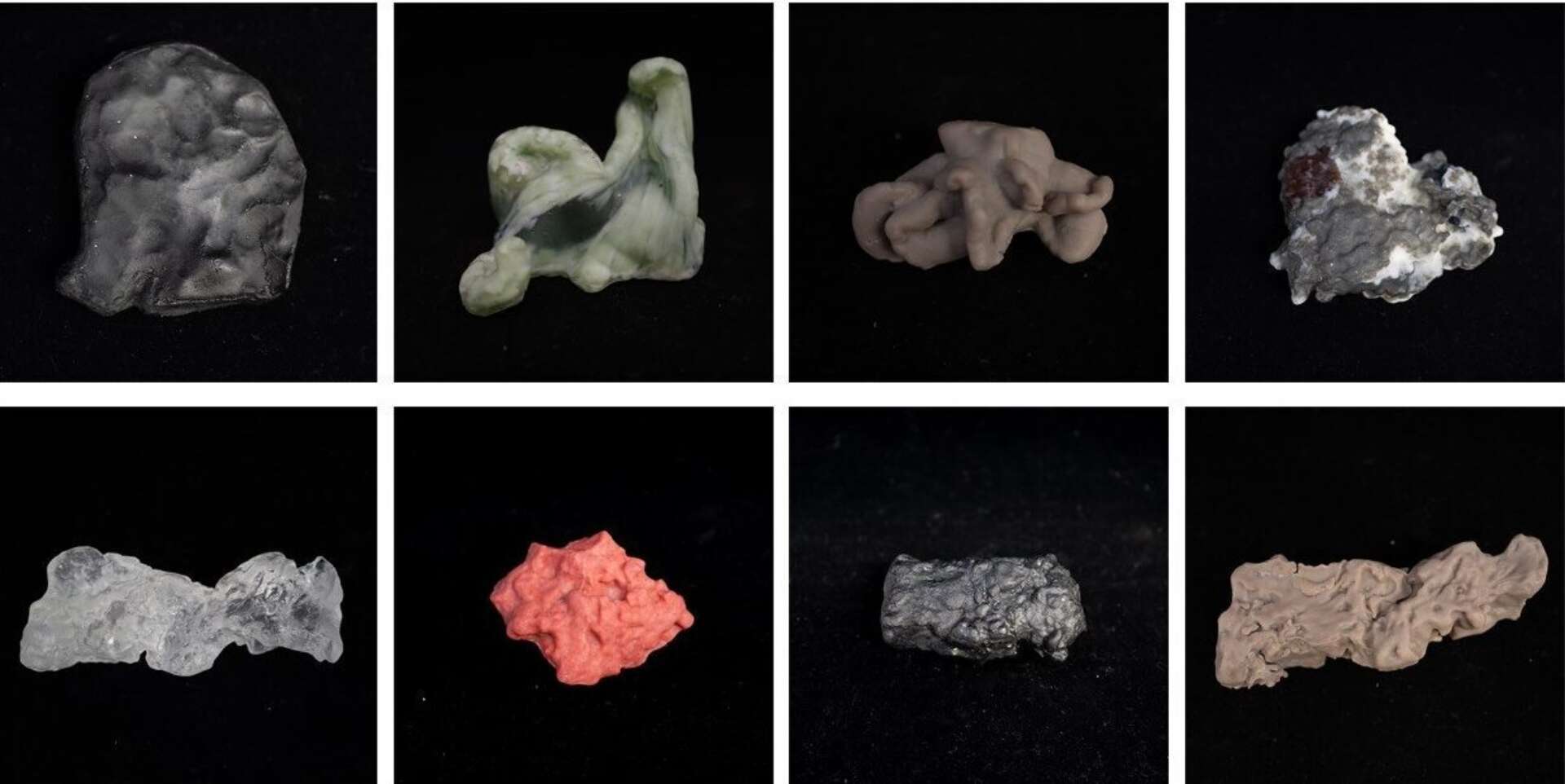
Figure 11: Artifacts for Networked Gyres, Image Courtesy of Kitchen and Ogasian. Video Editor Sae Oh.
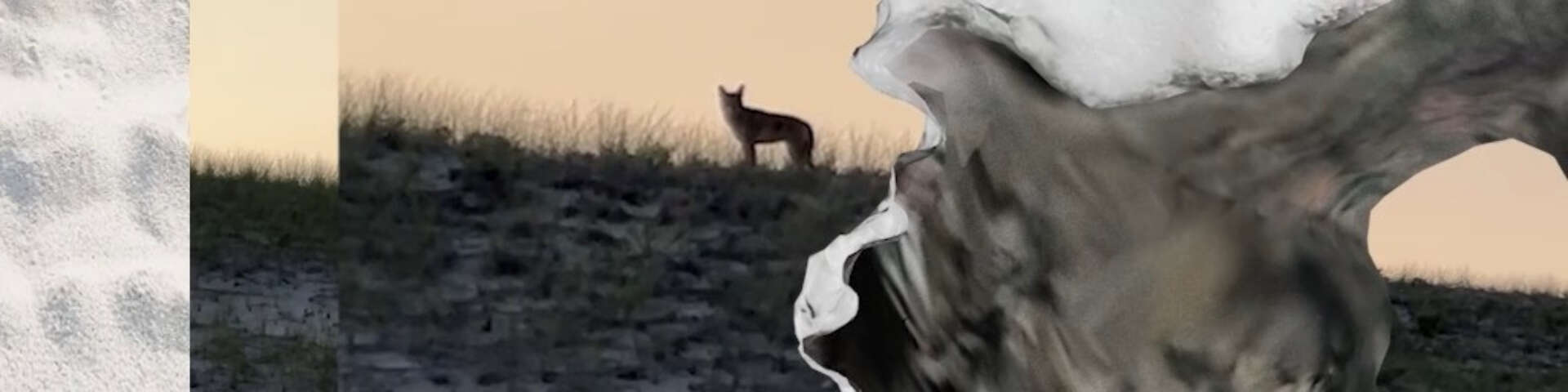
Figure 12: Screenshots of video for Networked Gyre, Courtesy of Kitchen and Ogasian.
Interferences focuses on NASA’s Deep Space Network, a global system of radio communication facilities that enable contact with spacecraft exploring the solar system and beyond. The project investigates how these sites function simultaneously as planetary infrastructure and ecological habitat, often occupying remote locations designated as protected zones. Through fieldwork and collaboration with ecologists, the research examines how radio silence regulations, security perimeters, and technological maintenance shape local ecosystems, sometimes inadvertently supporting endangered species.
Drawing parallels between human-engineered signals and nonhuman modes of communication, Interferences explores listening as a political and ecological practice. It considers how attention, care, and restraint might inform alternative approaches to space exploration and technological expansion. By accenting the concept of interference rather than clarity or control, the project critiques the idea of always expanding and suggests more two-way relationships between technology and the environment.
Together, these projects form a coherent and evolving research trajectory in which artistic practice operates as an adaptive methodology for engaging with space infrastructures, terrestrial ecologies, and planetary futures. The research demonstrates how non-formulaic artistic inquiry can generate situated, collaborative, and publicly engaged knowledge that complements and challenges dominant scientific and technological paradigms. By attending to the material realities of space related infrastructures on Earth, the project offers critical tools for rethinking humanity’s relationship to the planet, to technology, and to more-than-human worlds in an era of profound ecological transformation.