
The Future Line of Cinema(tic) Spaces
“But for now it's time to run, it's time to run!”1
Figure 1: Woodkid, Run Boy Run, The Golden Age, 2013, Frame from the video directed by Yoann Lemoine / Iconoclast.
A boy runs nonstop, falls, gets up, accompanied by strange creatures emerging directly from the ground, as if the Earth itself decided to take animal form and escort the boy in his battle, until they reach the building where they will fight: it is a short video directed by Yoann Lemoine / Iconoclast in 2013, accompanying the song Run Boy Run by Woodkid (a pseudonym for Yoann Lemoine), featured on the album The Golden Age.
The video unfolds along a line, like Abbott's Flatland, without three-dimensional developments, but insisting on this continuous trajectory from which there is no escape, only movement in one direction, forward, forward, towards the goal. The video is a relentless emphasis on a vector, a merciless line of fire, which leaves no other possibilities than that of a path to be followed.
It is a line of projection that echoes Gilles Deleuze's words, who, in 1983, described cinema through a geometric system closely resembling a vector.
Linearity
“[…] the cinema is the system which reproduces movement as a function of any-instant-whatever that is, as a function of equidistant instants, selected to create an impression of continuity”2. Cinema, the sum of instants, constructs a line of visual temporality, but to render this temporal line—this trajectory—it relies on another linear vector, another trajectory: the projection line, which brings images to life on the screen.
The very birth of cinema derives from a linear insistence: a series of photographs of galloping horses, taken through sophisticated shutter systems activated by the animals themselves, which seem like the analogue counterparts of the running boy in Woodkid's video.
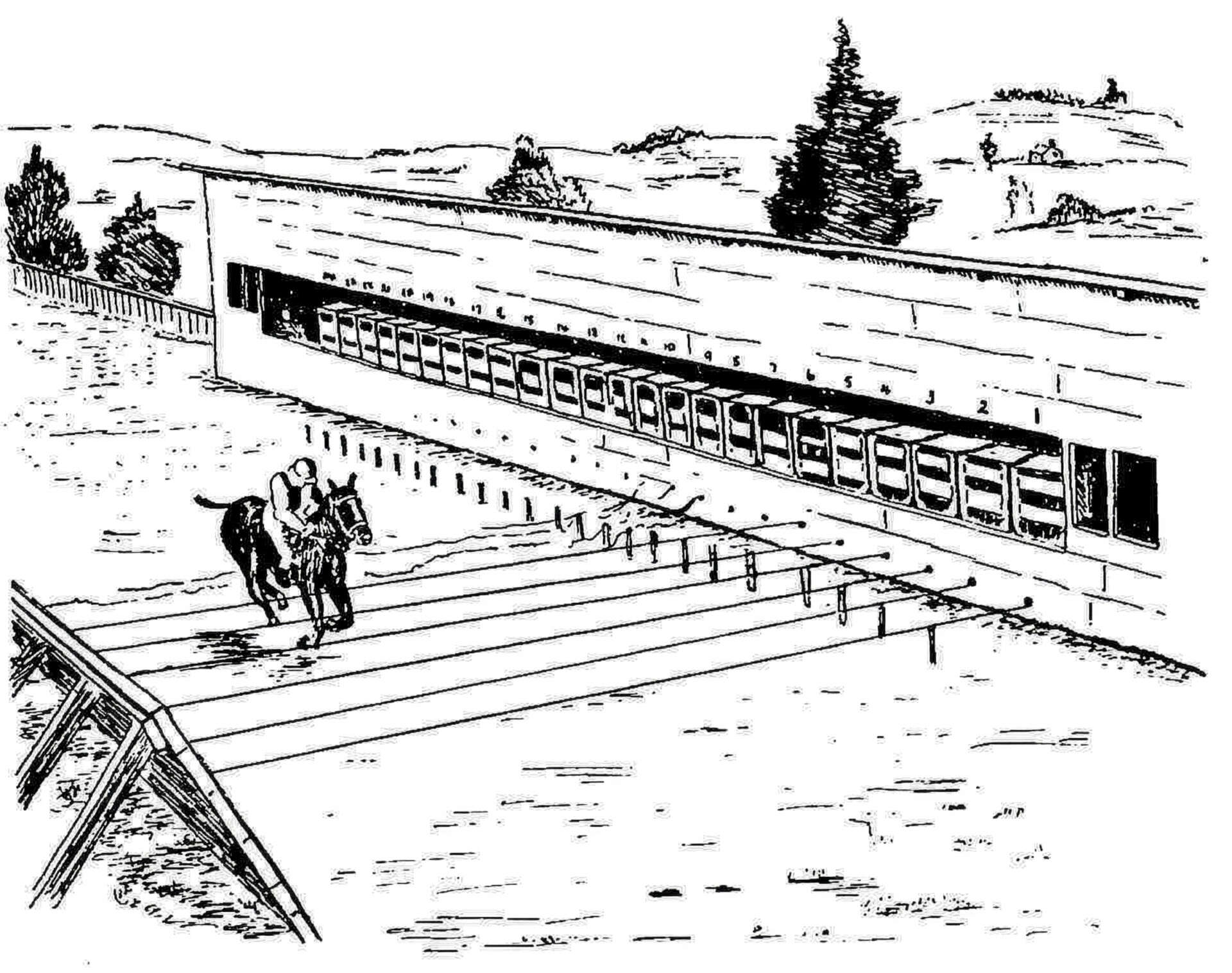
Figure 2: Eadweard Muybridge’s Equipment for Motion Photography at Palo Alto, 1878.
Cinema is a continuous flow that fundamentally orients architectural and urban space, establishing a necessary geometric identity. An assemblage of moments/movements which, to complete the geometric formation of space, requires a surface against which the vector may stop.
In 1988, only a few years after Deleuze’s depiction, Richard Serra created Áfangar, a striking sculpture on the island of Viðey in Iceland,composed of two simple pillars that framed the immense vastness of the natural landscape. Thus, this landscape acquired a new meaning through the artist’s framing gesture, which directed the gaze (along a trajectory) only to arrest it on the ideal geometric plane the two pillars define.

Figure 3: Richard Serra, Áfangar, 1988, photo by Slawojar CC BY-SA 4.0.
It’s a powerful act precisely conveying the essence of cinema and its spatial condition. A linear movement that projects. A frame that defines the field of action and visualisation. These two elements together construct the cinema hall.
Rupture
In 2007, Doris Salcedo introduced a slight crack into the floor of the Tate Modern Turbine Hall. This fissure, running along the entire length of the hall for weeks, split violently open the walking surface, creating an uninterrupted linear chasm. The artwork's disarming simplicity placed visitors in a condition of profound destabilisation, prompting them to question how the surrounding physical environment might influence their own being and behaviour.
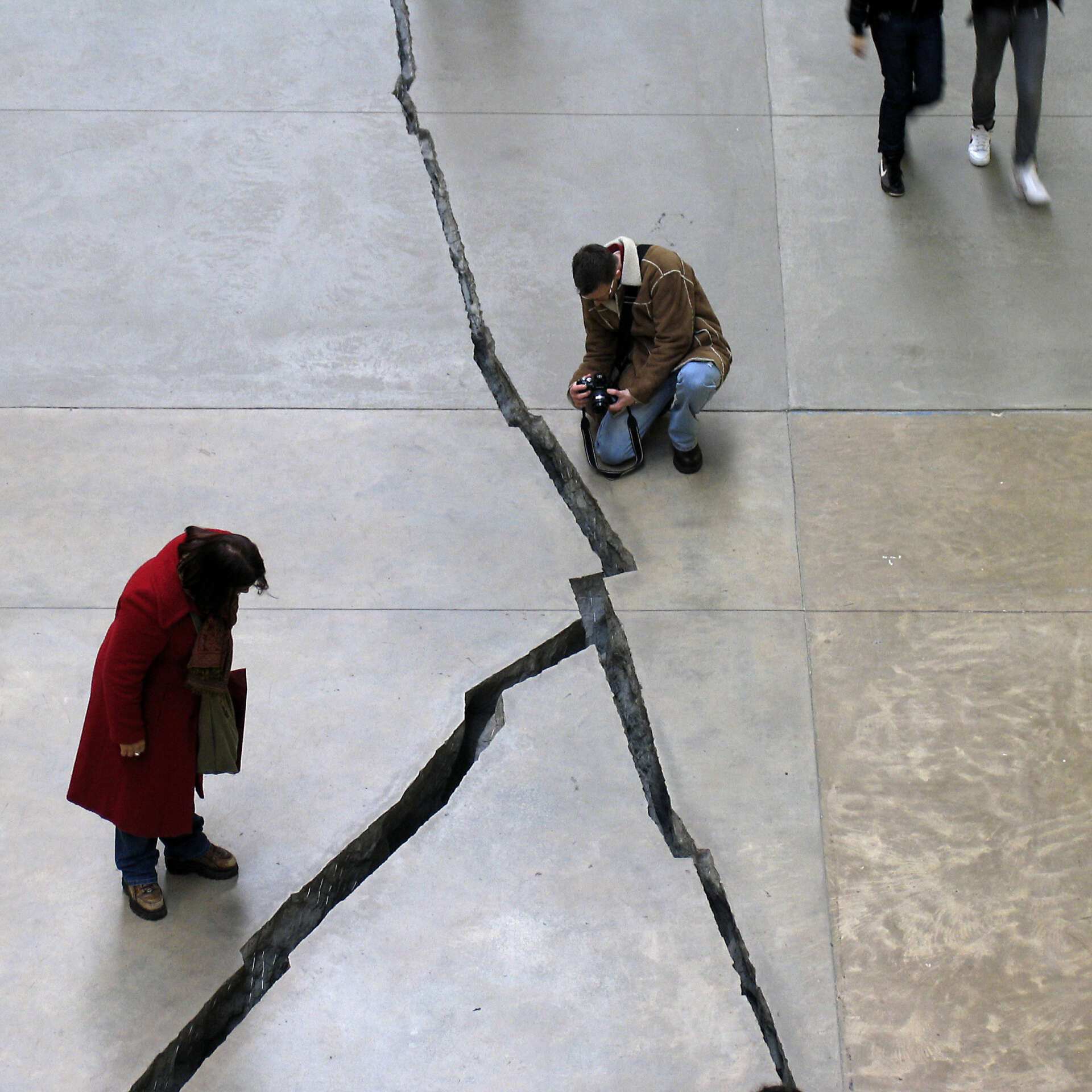
Figure 4: Doris Salcedo, Shibboleth, 2007, photo by Gdobon CC BY-SA 3.0.
Salcedo’s artwork, called Shibboleth, transformed visitors into actors, bodies in action within a space where they confront an unforeseen, yet highly cinematic, situation. Through a physical trajectory (the crack on the surface), the Colombian artist offered a compelling example of a line of flight, as a process of deterritorialization based on a physical vector, a line of force capable of tearing apart the architectural space, and compelling spectators to reflect.
Recomposition
“I tend to regard cinema in an architectural sense, whereby the environment (the space), the screen, and the projection can be combined or pushed forward to create another space ‘beyond’”3
In 2025, at Milan’s Fondazione Prada, the filmmaker Alejandro González Iñárritu designed a fractal material, a physical line, and an immaterial visual line that reassembled in a unique movement. His artwork, titled Sueño Perro, working on these two opposites, attempts to compose a new spatiality, once again bringing cinema - its movements and spectators - into an innovative spatial experience.
Within the museum spaces, the Mexican director staged the immateriality of cinema by revealing the projection line itself. Smoke saturating the void allows the projected light to be seen, with its tonalities, colours, and the very movements Deleuze once described - just before they reach the screen and become perceptible once more.
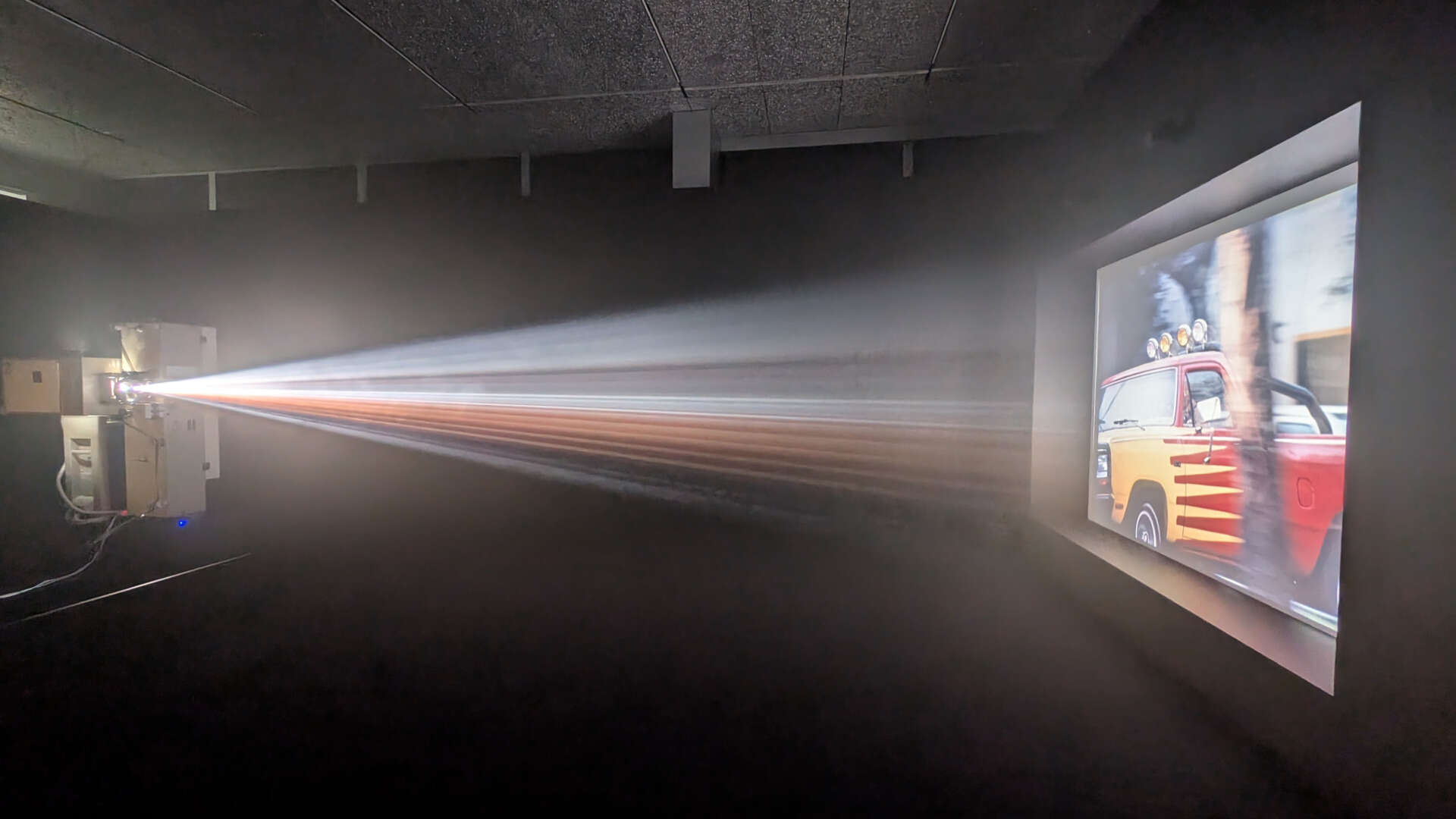
Figure 5: Alejandro González Iñárritu, Sueño Perro, Fondazione Prada, Milano, 2025, photo by Diego Terna.
The future of cinema(tic) spaces
The Ca2re call theme, Trajectories, enables me to position my doctoral research on the “Cinema Hall of the Future,” which, in response to the need to redefine the public entertainment hall as an innovative audio-visual space, aims to investigate the relationship between lines of force and fields of attraction shaping cinematic reality. This paper thus proposes a brief journey of discovery—a narrative and spatial line of flight—towards the future of the cinema hall.
The entertainment hall of the future navigates between opposing conditions. On the one hand, the cinematic ritual rupture, the absence of spectators, and the emptiness of cinema theatres; on the other, a renewed interest in experimental forms of spectatorship. This is a dilemma between the rupture Salcedo prefigured as a trajectory that divides, versus the reassuring linearity Deleuze described as a trajectory that unites. Between these two domains lies the cinema hall of the future: the rediscovery of what cinema is as a substantial matter. Iñárritu reveals it through moving filmstrips, through the flickering of light in the smoke, through the dazzling colours of the luminous vector.
Today, new forms of cinema emerge within spatial conditions in which Deleuzian linearity is less prominent. Recently, we have observed a rise in microcinemas4 - places where attendance is deliberately limited, as seen in Kino Kika in Krakow, Poland, Noise Il Cinemino in Milan, or Cinema Velabro in Rome, Italy. Such venues foster intensely intimate viewing conditions where, rather than the technical quality of the screening, the emphasis lies on privacy and fellowship with a handful of viewers5.
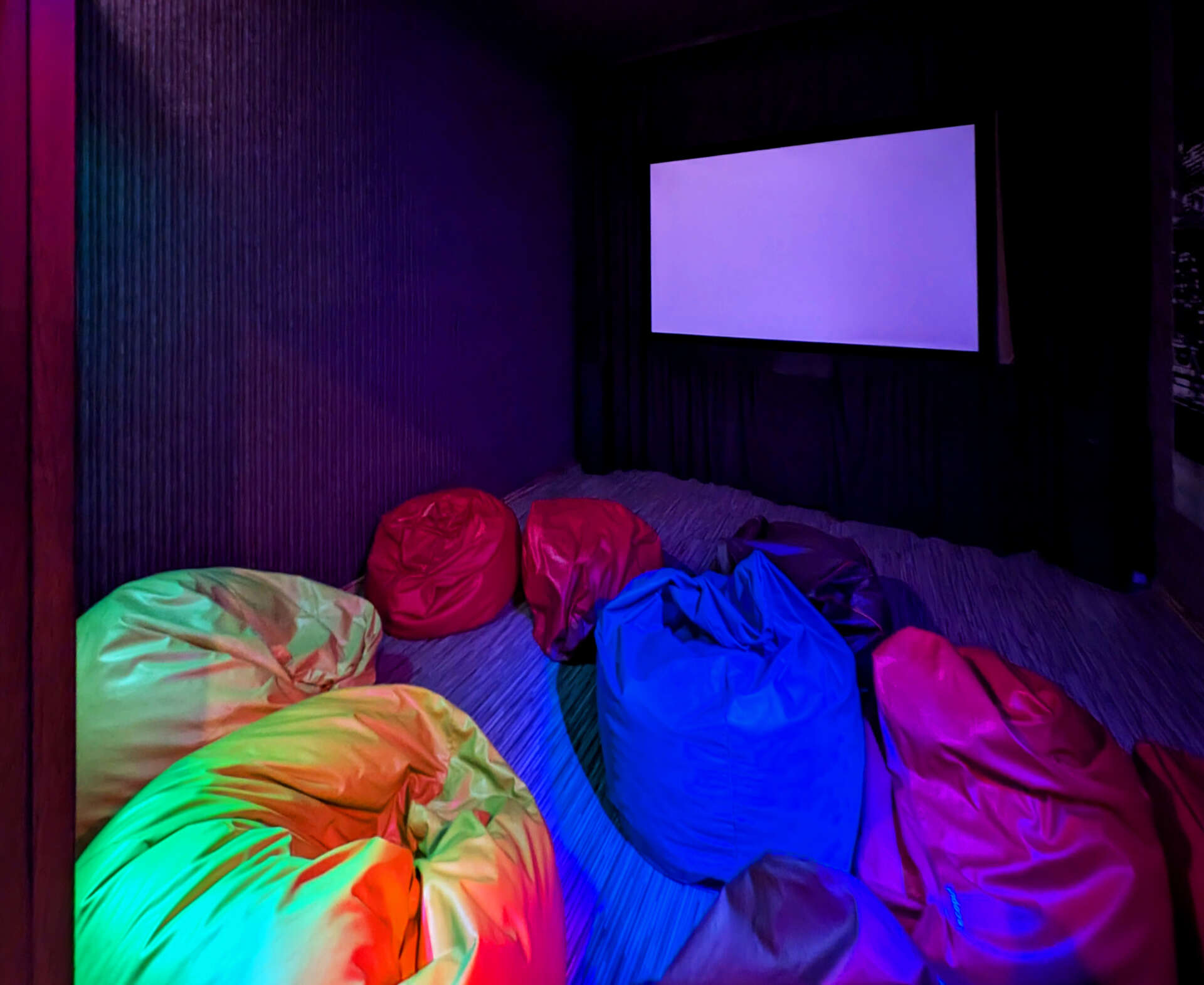
Figure 6: Kino Kika Informal Cinema Hall, Krakow, Poland, 2012, photo by Diego Terna.
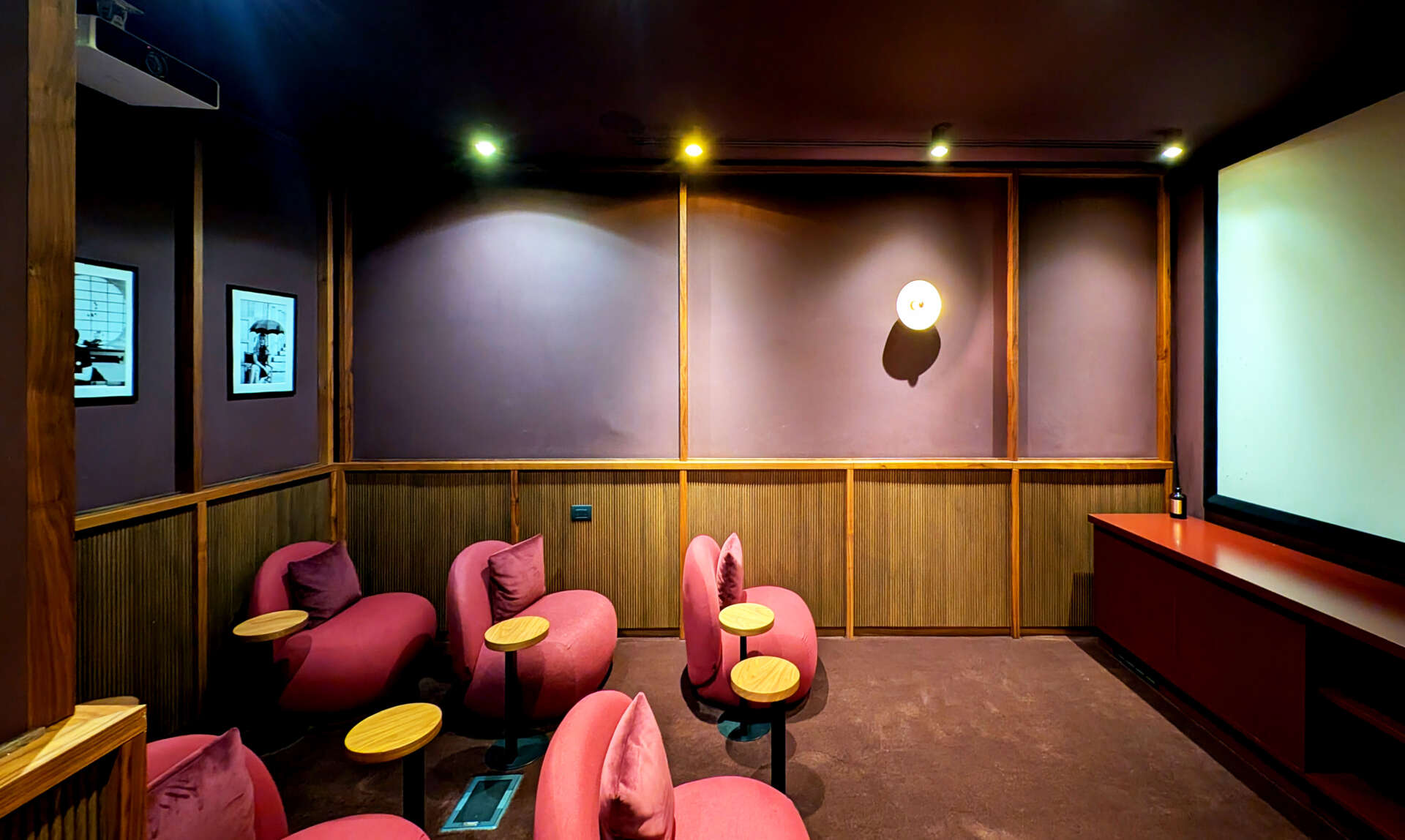
Figure 7: Cinema Velabro, Rome, Italy, 2023, photo by Diego Terna.
New cinematic spaces also emerge in the revival of open-air cinemas, which reclaim parts of cities for the community, echoing traditions such as the Cine de Verano (Summer Cinema) in Córdoba, Spain. In Rome, Italy, during the event Schermi Pirata (Pirate Screens), a student collective projected films directly onto the facades of ancient buildings, restoring a sense of communal experience and urban curiosity. This spatial experimentation expanded even to water, as in Cinema Galleggiante (Floating Cinema) in Venice, Italy, where screen and audience drifted on the lagoon’s surface, or the Milan Film Fest, which organised public screenings in social housing courtyards, offering a discovery journey into often unseen public realities
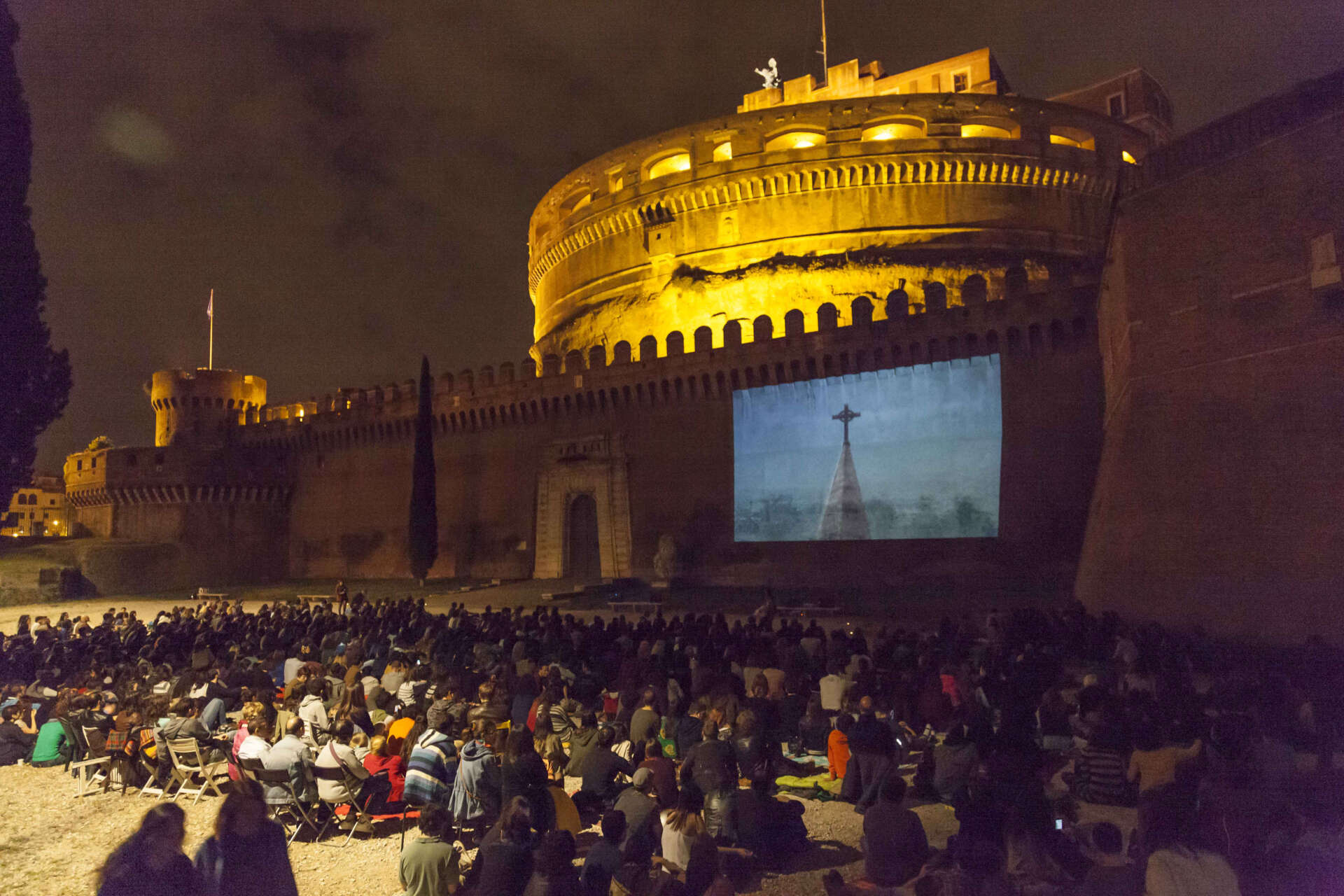
Figure 8: Pirate Screens - The Rocky Horror Picture Show on Castel Sant'Angelo, Rome, Italy, 2016, Courtesy Fondazione Piccolo America.
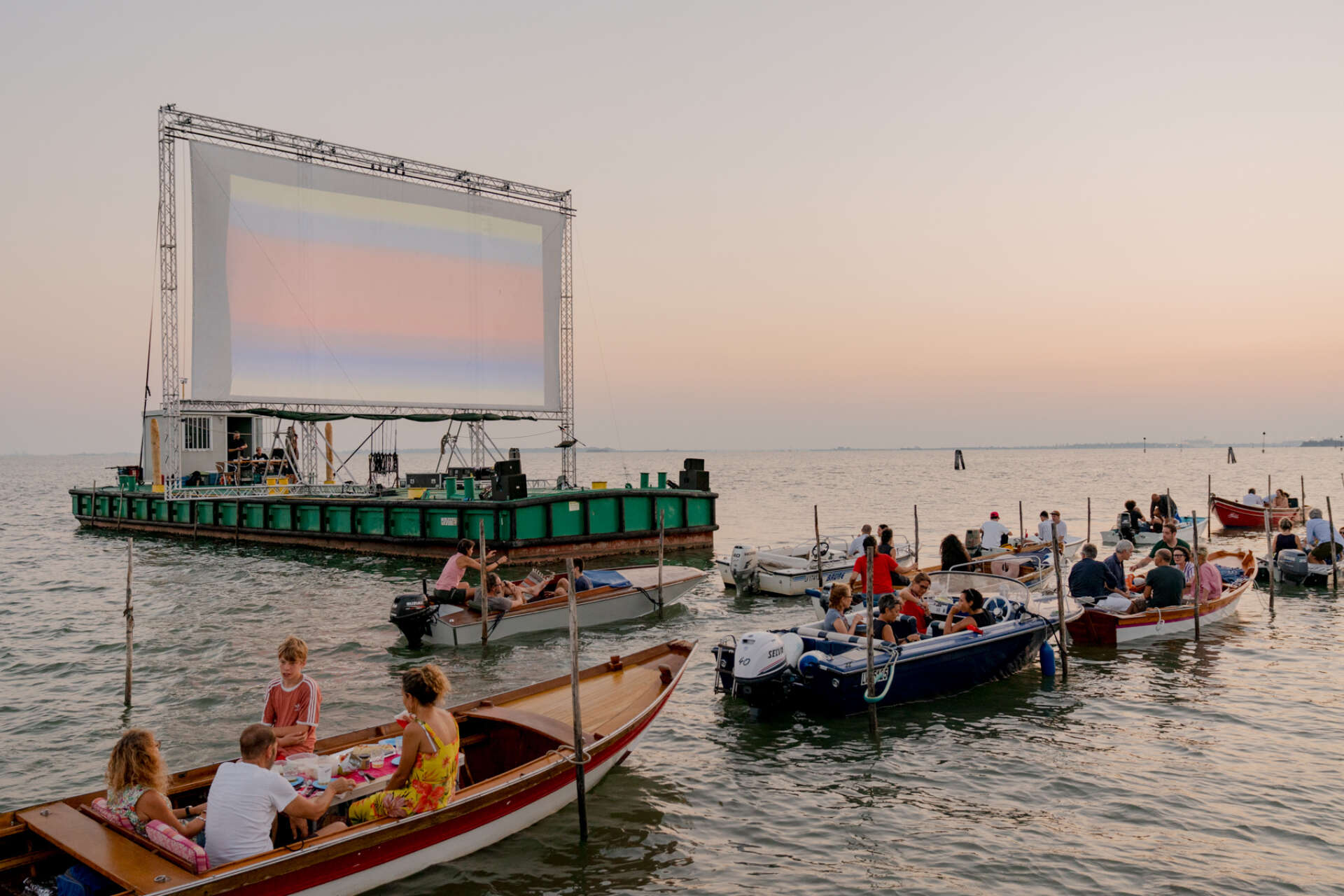
Figure 9: Riccardo Banfi, Cinema Galleggiante - Acque Sconosciute 2023, Venice, Italy, 2023, Courtesy Riccardo Banfi & Microclima.
We may also find the cinema of the future in urban experiments such the ones Futura proposed screening alternative movies in parallel to the Venice International Film Festival inside prefab construction-site cabins, or in self-managed rooms such as Unzalab did in Milan, merging the cinema hall with a darkroom, a laboratory, and an archive or, finally, holding dance classes in the cinema hall as happens in Faro Cosmos, a public multifunctional space in Mexico City.
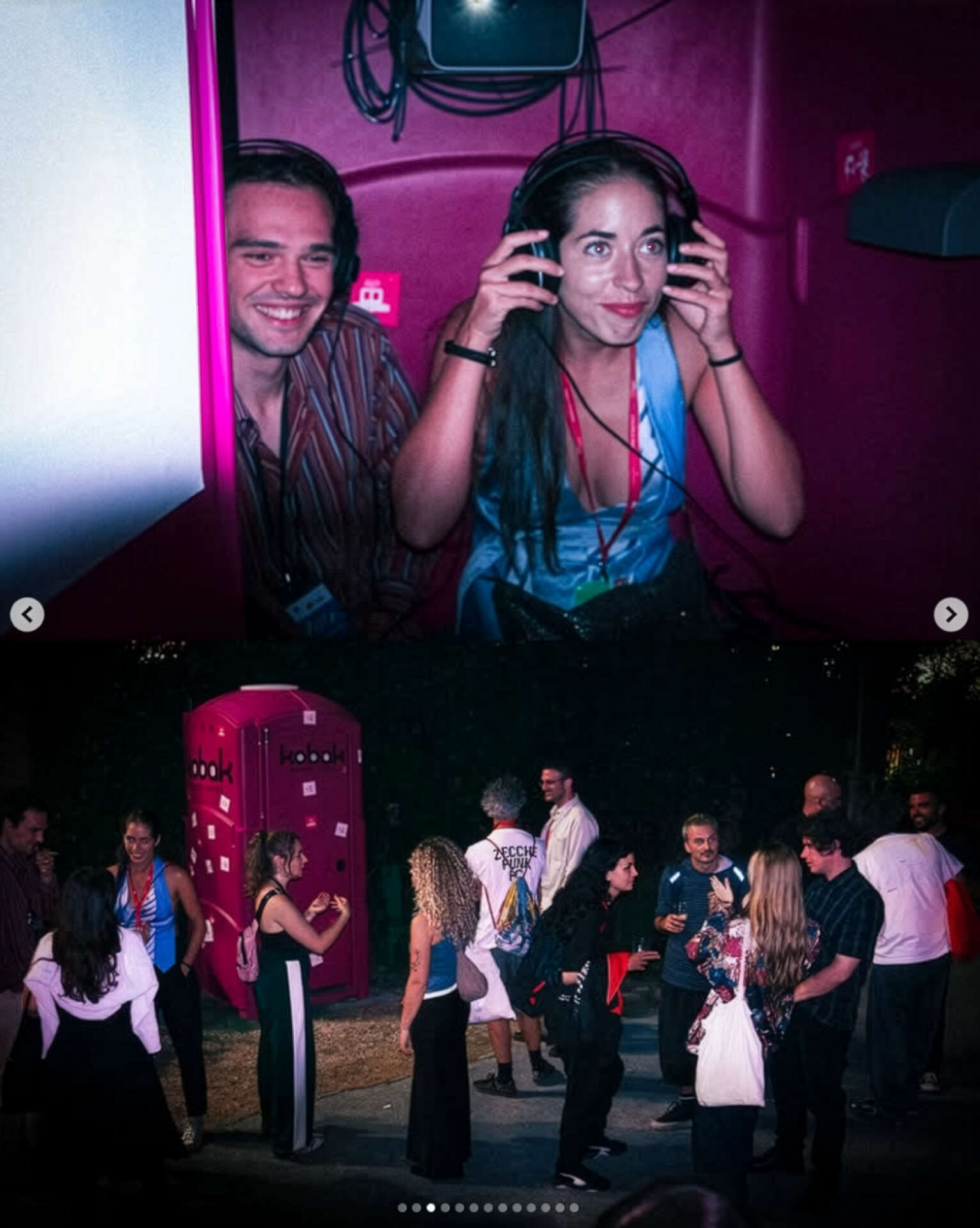
Figure 10: Futura Association, Cinema is in the toilet, 2025 Venice Film Festival, Italy, Courtesy Futura Association.
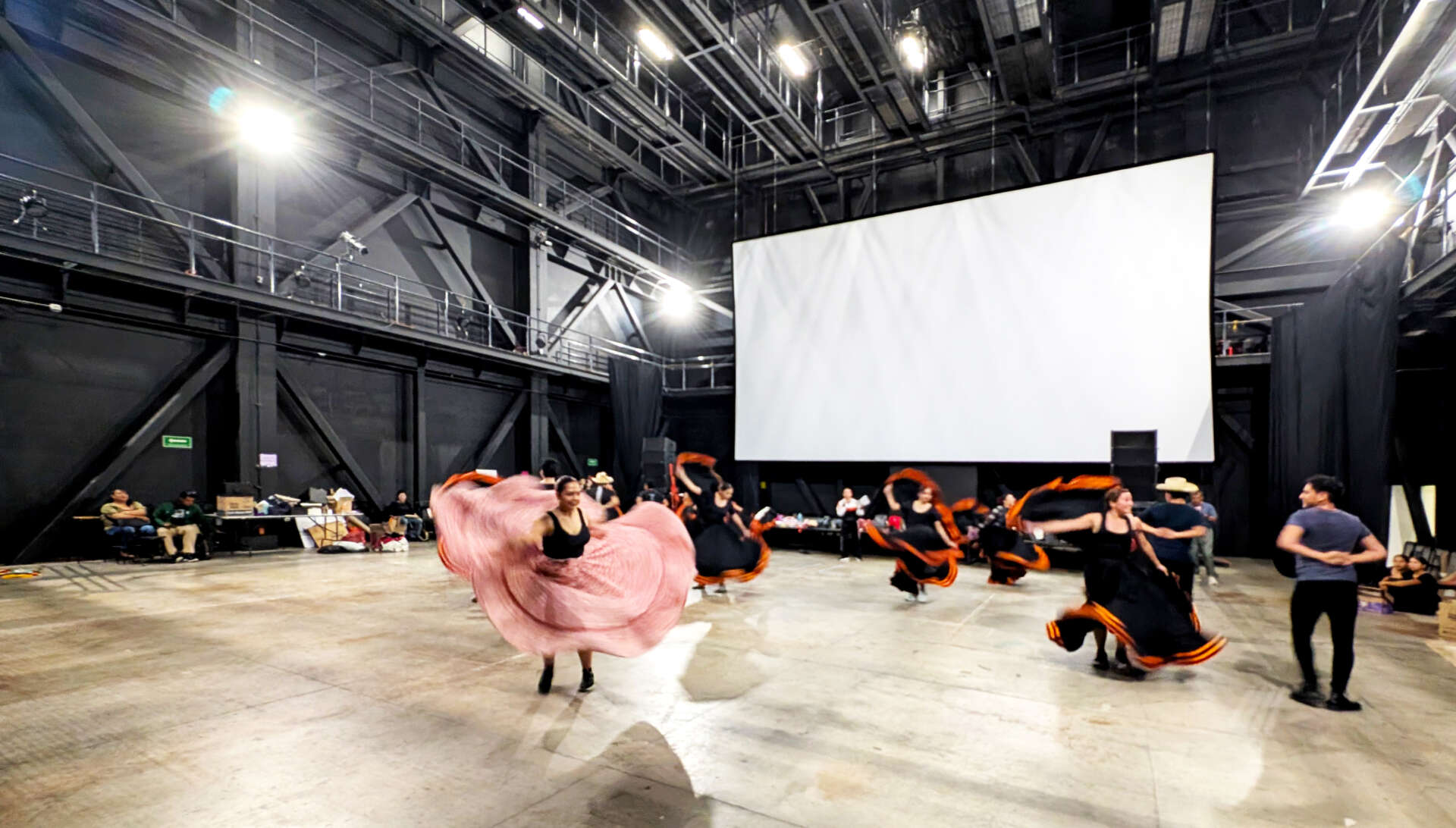
Figure 11: Faro Cosmos, Ciudad del Mexico, Mexico, photo by Diego Terna.
- Woodkid, Run Boy Run, The Golden Age, 2013
- Deleuze Gilles, Cinema 1, The Movement-Image, University of Minnesota Press, 1986
- Rosa Barba, On the Anarchic Organization of Cinematic Spaces, Hatje Cantz, 2021
- The term Microcinema has been invented in 1994 by Rebecca Barten and David Sherman, an experimental filmmaking couple, who began showing avant-garde films in a space underneath their Mission District apartment.
- <The big screen provides a “no distractions zone”, as opposed to the experience of watching a film at home. “It’s nice to switch off,” says Sophia Crothall, 23. “I don’t touch my phone the whole time I’m in the cinema. At home, I’m probably scrolling.”> Campbell Sinéad, ‘I don’t touch my phone. At home, I’d be scrolling’: why young people are flocking to independent cinemas, The Guardian, 13.08.2025
Literature
Arnal, M. and Salson, A. (2019) Cinema Makers: The Renewal of Indie Cinemas, Le Blog Documentaire.
Associazione Piccolo America (2021) Piccolo America. 10 anni, Self-Publishing.
Barba, R. (2021) On the Anarchic Organization of Cinematic Spaces, Berlin: Hatje Cantz.
Darelli, V. (2025) Le sale cinematografiche di provincia. Il caso Lombardia (1905–1965), Rome: Carocci Editore.
Deleuze, G. (1986) Cinema 1, The Movement-Image, Minnesota: University of Minnesota Press.