The Nexus of Textile and Sound Performative Relationships between Art, Architecture and Embodied Knowledge
When interpreted as lines of flight, trajectories unveil a performative perspective on space, comprising an assemblage of material, social, sonic and textile actors and recipients. It is imperative to acknowledge that these provisional spaces cannot be fully planned or permanently fixed. The notion of spatial interventions is theorised as a means of both territorialisation and deterritorialisation. The term 'territorialisation' is defined as the establishment of order, structure and framing, whereas 'deterritorialisation' is defined as the dissolution, displacement and opening of territories.
Rather than appearing as additive media, textile and sound are presented as intertwined fields of material, perception and meaning that produce space in an affective, performative and relational way. The inquiry employs trajectories as a methodological instrument to examine the textile and sound practices that generate space.
Textiles function both as a medium and a metaphor with responsive qualities: they react to or resist forces such as touch, tension, and bodily movement. In doing so, they generate ephemeral spaces, operate sculpturally, and unfold acoustic as well as multi-sensory dimensions. As a “second skin,” they mediate between body and environment, softening the hardness of functional surfaces through soft, draped structures that carry the traces of their inhabitants (cf. Walter Benjamin, 1983).
This underscores their significance as communicative and meaning-producing elements.
In this research context, sound encompasses a wide range of artistic practices, from sound art and music to ambient, transacoustic fields, and silence. It operates both as a compositional and conceptual process and as a physical phenomenon closely linked to bodily perception, shaped by breathing, movement, and heart rate. Sound is inherently ephemeral and invisible, yet physically perceptible. The phenomenon under scrutiny does not merely unfold in time, but actively shapes the experience of time and space, permeating rooms, objects, and architectural environments. This spatial dimension is further emphasised by approaches such as Bernhard Leitner's concept of "corporeal hearing," which understands listening as a full-body experience ("I can hear with my knee better than with my calves") and Maryanne Amacher's Third Ear Music, which has been composed with the intention of inspiring the human ear to produce its own unique sounds and melodic structures.
The exploration of textiles and sound from the perspectives of their similarities, differences, and correlations has the potential to reveal novel perspectives and thematic synergies. In both fields, texture emerges through repetition, variation, density, and layering across time and space. Rather than serving as superficial embellishment, texture operates as an experiential domain that modifies perception through the mediums of embodiment, tactility, and audition. Through the application of textile interventions that modulate acoustic properties, or sound processes that activate textile structures, the transformation and interpretation of these domains is rendered visible, audible and tangible.
The processes of textile and sonic production are theorised as active agents in the creation of space, interweaving perception, movement and affect within a relational structural framework. The performative relationship between art and architecture is thus characterised by a tension between stable structure and processual action. The operative media of textile and sound practices function in such a manner that space is not merely designed, but continuously negotiated and reconfigured.
The transformation of space through research enables the anticipation of spatial atmospheres, utilisation and social interactions without the imposition of permanence.
In this context, it is important to mention that the interactive objects in the setting of an exhibition space are to be viewed as works of art, not as experimental arrangements in a random configuration. The arrangement of objects within the gallery space is dictated by the physical characteristics of the gallery, or alternatively, serves as the basis for the artistic composition. installations are conceptualised as prototypical spaces, characterised by their temporary, reversible and speculative nature.
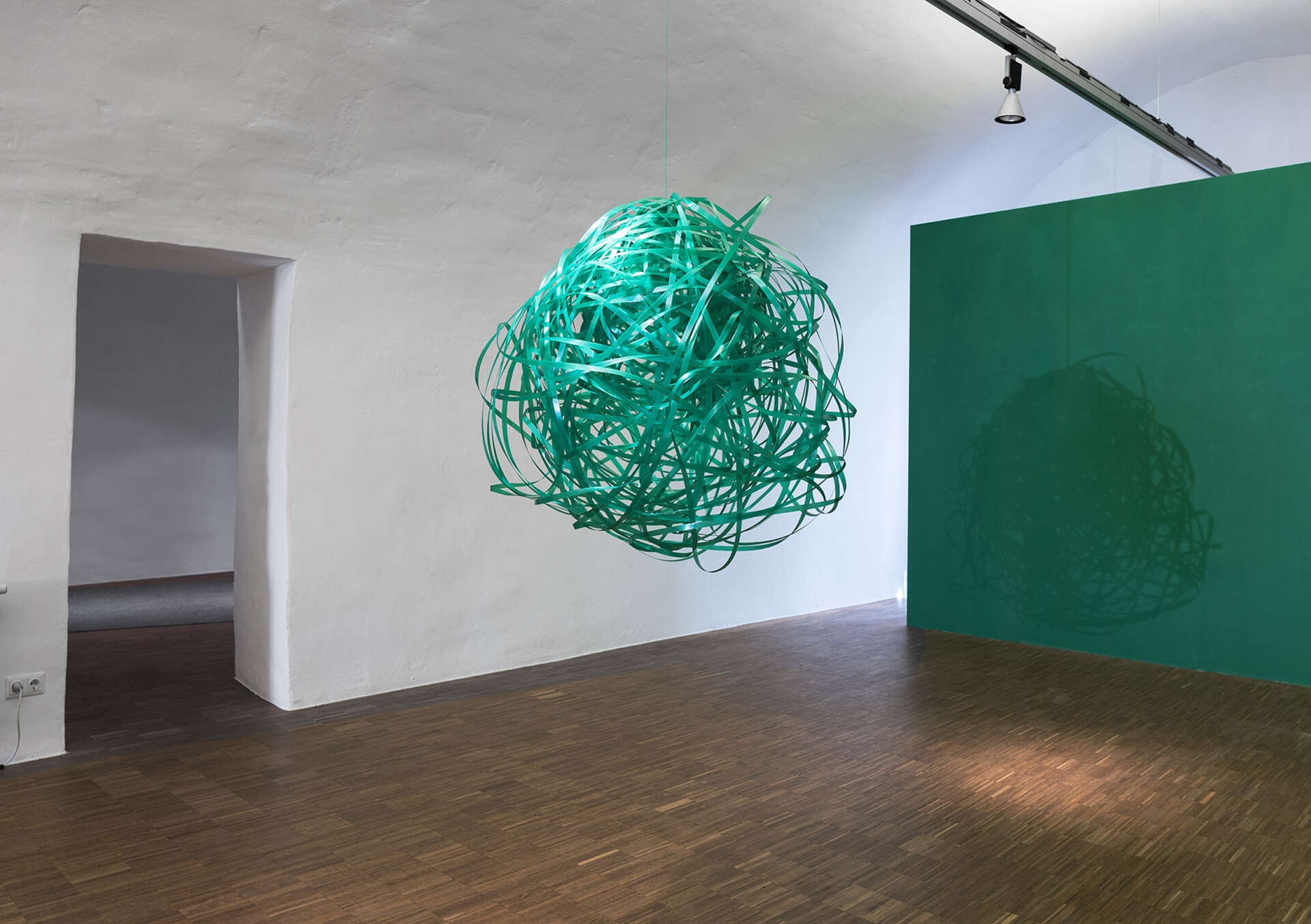
Figure 1: LOOP 80 x 80 x 80 cm. Fischbacher | Schebella. Polyester strapping tape, contact microphone, loudspeaker. Photograph by R. Strobl, 2023.
LOOP
“LOOP” is an interactive sound installation, the initial approach was an inquiry-based methodology focused on the material and acoustic properties of the tape. The investigation revealed a notable capacity for sound transmission through the polyester substrate, which was unexpected given the material's typical use. The sound produced during interaction with the object is captured by a contact microphone and amplified.
The proposition is made that art is a form of attraction, and that it is an offer to the audience to interact and perform. It follows that the interaction design must aim to facilitate meaningful and accessible playability for audiences within the exhibition context.
The audience is explicitly permitted to make physical contact with the object, thereby engaging with the loop on a multisensory level. This enables them to experience tactile-visual and acoustic interaction simultaneously. Motion creates vibration and resonance.
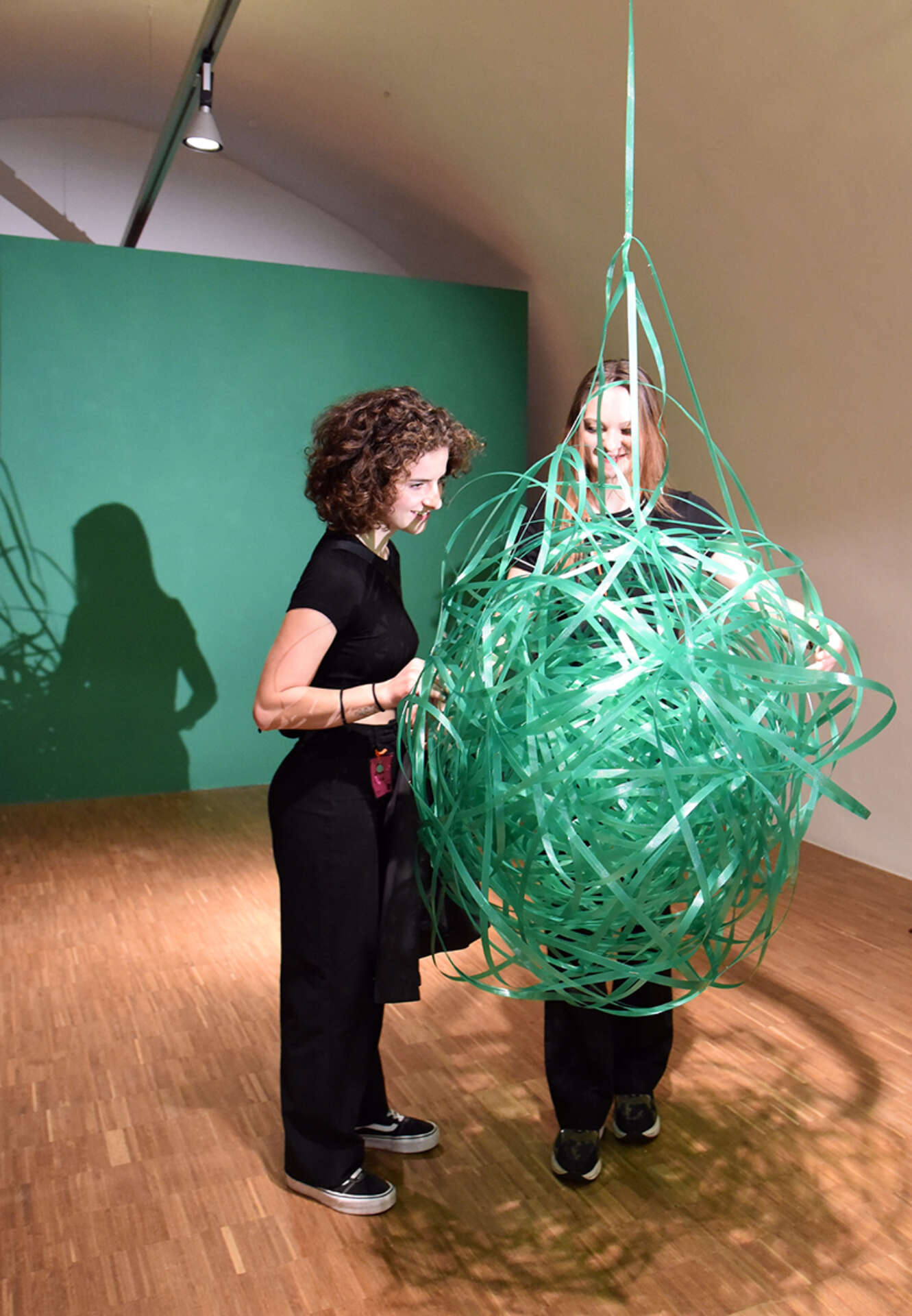
Figure 2: LOOP. Fischbacher | Schebella. Photographs by G. Fischbacher, 2023.
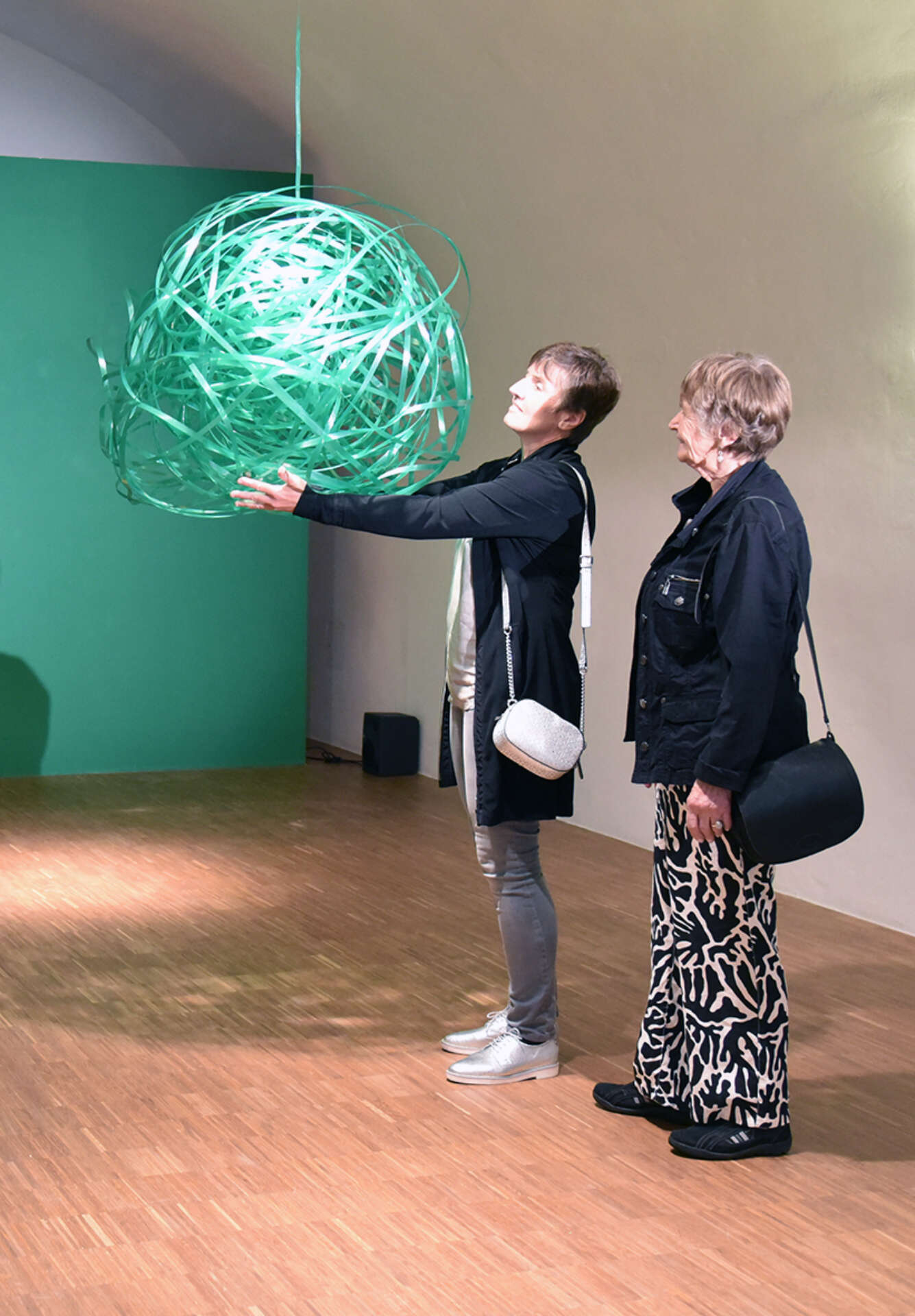
Figure 3: LOOP. Fischbacher | Schebella. Photographs by G. Fischbacher, 2023.

Figure 4: The Wall (Walk On By), 11 x 4,10 m. Fischbacher | Schebella. Veiled nettle, motion sensors, loudspeaker. Photograph by R. Strobl, 2023.
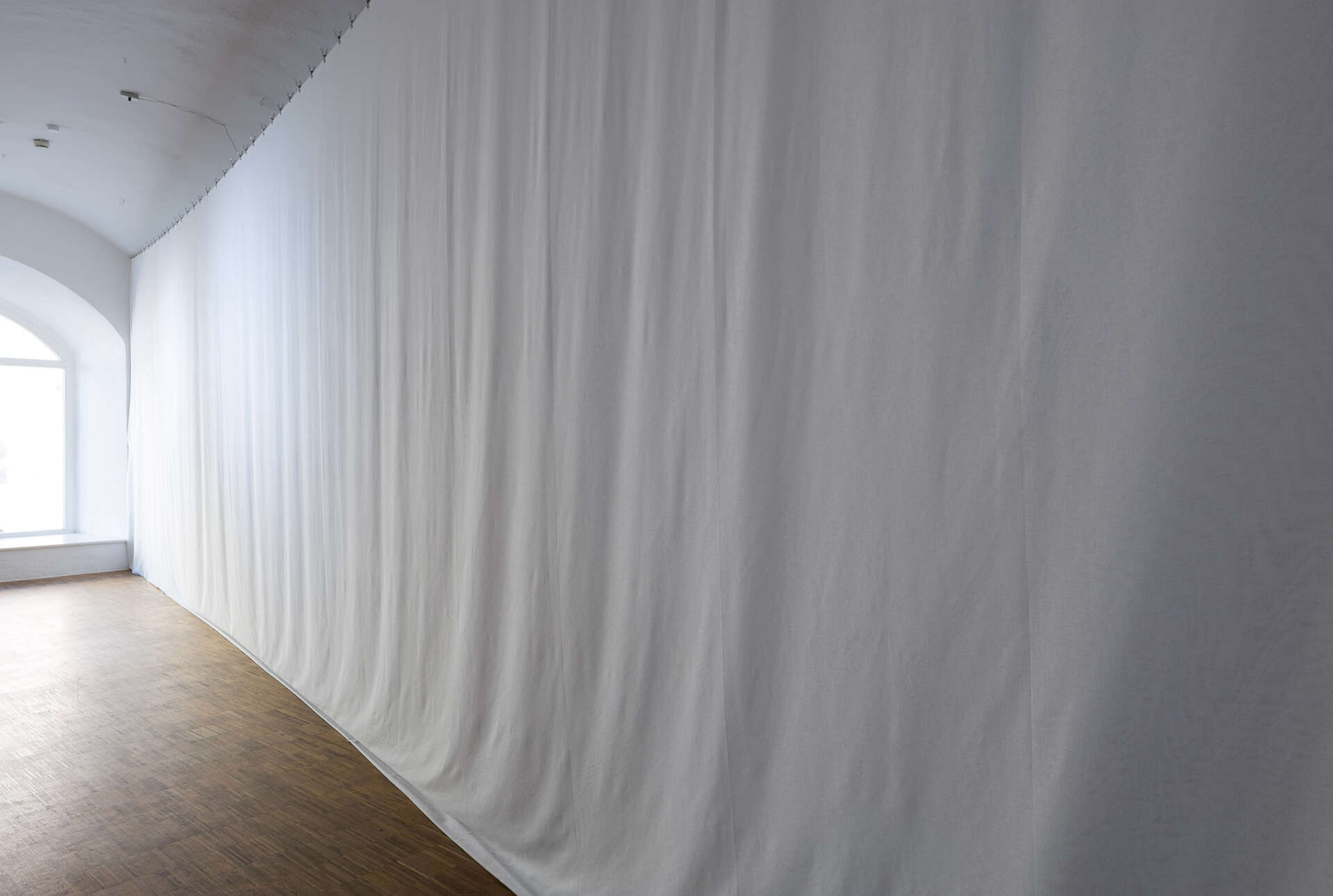
Figure 5: The Wall (Walk On By), 11 x 4,10 m. Fischbacher | Schebella. Veiled nettle, motion sensors, loudspeaker. Photograph by R. Strobl, 2023.
The Wall
“The Wall” as a site-specific work itself is notably subtle, initially appearing as a textile wall. A membrane made of double-layered veil fabric behind which the technology is concealed. In case that the gallery space is not already familiar to the visitor, the space-changing intervention is not readily apparent. Upon entering the 11-metre-long room, visitors may at first seek visual anomalies and proceed along the wall. At this juncture, the auditory element is initiated. Subsequently, the recipient initiates interaction with the artwork, thereby prompting heightened sensory perception and the discernment of the resulting moiré effect produced by the superimposition of the veil net, the fabrics´ reaction to movement and the sounds´ response to these actions. The auditory experience, characterised by a perception of swelling and crackling, was described by the audience as meditative and almost sacred.
Walk On By
‘Walk on by’ is the winning entry in a competition organised by Kultur Land Salzburg (sculpture, plastic art, object) for the passageway leading to the gallery in the Traklhaus until 2027. It is imperative to establish a definition for the concept of an acoustic and communicating curtain, as well as to comprehend the textile analogy of the frequency response of a space. What is a rough, itchy sound and what is a loud, screaming fabric?
The connection to the Traklhaus and its namesake, the early deceased writer Georg Trakl, is evident in the subtle hints and concealments of the curtain and in the swelling and subsiding intensity of the sound, which evoke parallels to Trakl‘s poems. The audience triggers a response in the material, influencing the sound generation through a tracking algorithm, and experiences sonic and visual pleasure in return. The title ‘Walk On By’ refers to the physical movement of passers-by through the passage to the gallery in the Traklhaus, and to the pop song of the same name, which deals with emotional withdrawal and repression.
Curtains, as pivotal elements of architecture, elicit anticipations, demarcate threshold spaces, delineate lines of sight, disclose or obscure content, engender tension and stimulate the imagination. The purpose of these elements is twofold: firstly, they serve to protect from the visually unappealing; secondly, they serve to stage the hidden. In ‘Sommerdämmerung’ a poem by Georg Trakl (Summer Twilight), the silvery curtain is employed as a symbol of the boundary between inside and outside, life and death, and the visible and invisible. Walk On By interprets this concept as an acoustic and spatial experience. Sound is filtered, superimposed and obscured, creating a temporary, immaterial space that can be experienced not only through physical envelopment but also as a sound space. The curtain communicates to the effects of passers-by and existing draughts, resulting in a constant change in its shape.
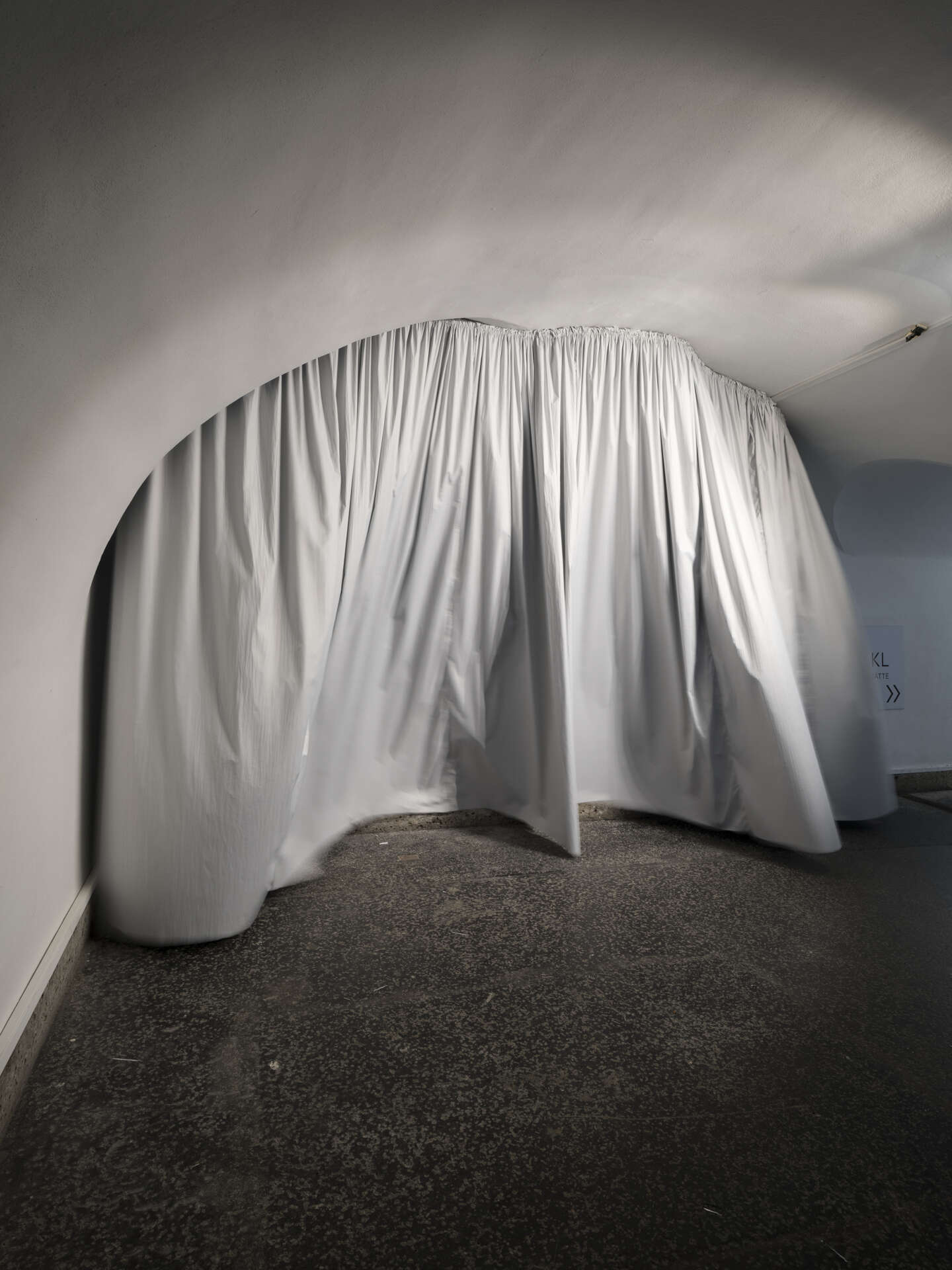
Figure 6: “Walk On By”, 6 x 3 m. Fischbacher | Schebella. Polyester fabric, Motion sensors, loudspeakers. Photograph by R. Strobl, 2025.
The exposure of the material to varying temperatures, attributable to the openness of the entrance and exit of the passage, results in divergent reactions during the seasons and temperature. The polyester fabric exhibits increased rigidity and reduced mobility in air and draught. It has been demonstrated that this also changes the sound of the fabric, which produces a sound ranging from a slight crackling in cold weather to a billowing, fluttering movement. This change is independent of the sound technology.
The following research questions are hereby proposed: firstly, how do textiles and sound interact with spaces and interactions, and secondly, how can they be experimentally interwoven?
In addition, the question of what advantage passive (or active) interaction may bring to the art form remains unanswered.
The purpose of this study is to ascertain how audiences respond to the dynamic interaction.
To what extent did the project result in a shift in sensory processing?
Literature
Benjamin, W. (1983) Das Passagen-Werk. Erster Band. Frankfurt am Main.
Böhme, G. (2013) Atmosphäre, Essays zur neuen Ästhetik. Berlin: Edition Suhrkamp.
Garcia, M. (2006) Architextiles. Chichester: John Wiley & Sons.
Heinzel, T. (2024) Haptic and Sound Correlations in Textiles. Conference Paper https://www.researchgate.net/p...(Accessed 27 April 2026).
Helmhold, H. (2012) Affektpolitik und Raum, Zu einer Architektur des Textilen. Köln: Verlag der Buchhandlung Walter König
Kotz, L. (2020) See this Sound: Promises in Sound and Vision. Edited by Rainer C, Rollig S, Daniels D and Ammer, M. Köln: Verlag der Buchhandlung Walter König.
Lefebvre, H. (2007) The Production of Space. Hoboken, New Jersey: Blackwell Publishing USA.
Leitner, B. (1997) Geometry of Sound. Ostfildern: Cantz Verlag.
Rosa, H. (2019) Resonanz. Berlin: Suhrkamp Taschenbuch Wissenschaft.
Roskamm, N. (2016) Das Reden vom Raum. Zur Aktualität des Spatial Turn – Programmatik, Determinismus und „sozial konstruierter Raum“. DOI: https://doi.org/10.3224/periph... (Accessed 27 April 2026).
Voegelin, S. (2020) Listening to Noise and Silence. New York: Continuum Publishing Group.
Weddingen, T. (ed.) (2012) Metatextile: Identity and History of a Contemporary ArtMedium. Berlin: Dietrich Reimer Verlag GmbH.
Recognitions
The Nexus of Textile and Sound is an interdisciplinary arts-based research project at University Mozarteum Salzburg: Projectlead: Mag.a Gertrud Fischbacher, Senior Artist at Institute for Open Arts, in cooperation with the Salzburg University of Applied Sciences: FH-Ass.Prof. Marius Schebella, MSc.Funded by the PEEK programme (Development and Exploration of the Arts) of the Austrian Science Fund (FWF) from 2022–2026.