
Tracing Hidden Trajectories Researching under the Radar Renovation Practices
About Me
Through my master thesis in architecture three years ago, I explored the topic of affordable housing in the city of Antwerp within a context of energy- and climate transitions (Fig. 1). Seeing how access to qualitative housing is under pressure and looking into initiatives aimed at addressing shortcomings, I began to question the role of architects - which I would soon become - in relation to the government's duty to uphold the constitutional right to adequate housing. Our welfare state provides solidarity mechanisms to meet fundamental rights such as the right to legal assistance supported by pro bono legal services. However, for the profession of architects, there is no equivalent ethical or institutional framework in the architectural profession, despite architects being key actors in construction and renovation works that require building permits. In the field of housing, social housing is intended to fulfil this right, yet its supply remains highly insufficient.
Figure 1: Excerpts from my Master Thesis ‘Affordable housing, an exploration in Antwerp’. Graphic by the author, 2022.
At the same time, I became interested in the everyday material outcomes of renovations under constraint. The agency for renovation seems present, but the know-how on interventions that are truly useful often seems overshadowed by the pursuit for better energy scores, not always meeting spatial and visual quality. What if there was some kind of pro bono service to consult spatial practitioners? Would it be thinkable and desirable to democratise access to architects? I will set my assumptions aside and explore. What follows frames the early phase of a doctoral research project started in November 2025.
About the Context
Belgium and the region of Flanders have known an emphasis on homeownership in past and current policies, resulting in a majority of households being homeowners. Across Flanders, at least 120.000 homeowners are confronted with inadequate housing quality and major renovation needs and have little possibility to make thorough changes to their housing situation (Vanderstraeten & Ryckewaert, 2019). Social housing is not an (immediate) possibility for them, since property makes them ineligible. On top of that, the waiting list has surpassed the number of existing social housing units. The starting point of my research is a status quo of the current market system (Fig. 2) by focussing on these distressed homeowners who can be divided into two groups. Firstly ‘noodkopers’ (literally translated to distressed home-buyers) can be defined as people who purchased an already substandard house, often with a social mortgage, but do not have the resources to bring the house up to a decent quality level. Secondly ‘noodeigenaars’ (literally translated to distressed home-owners) who acquired their house in the past without significant problem but have difficulty maintaining their property due to changed personal circumstances. Some of them started renovation works, in some cases getting stuck in a construction site.
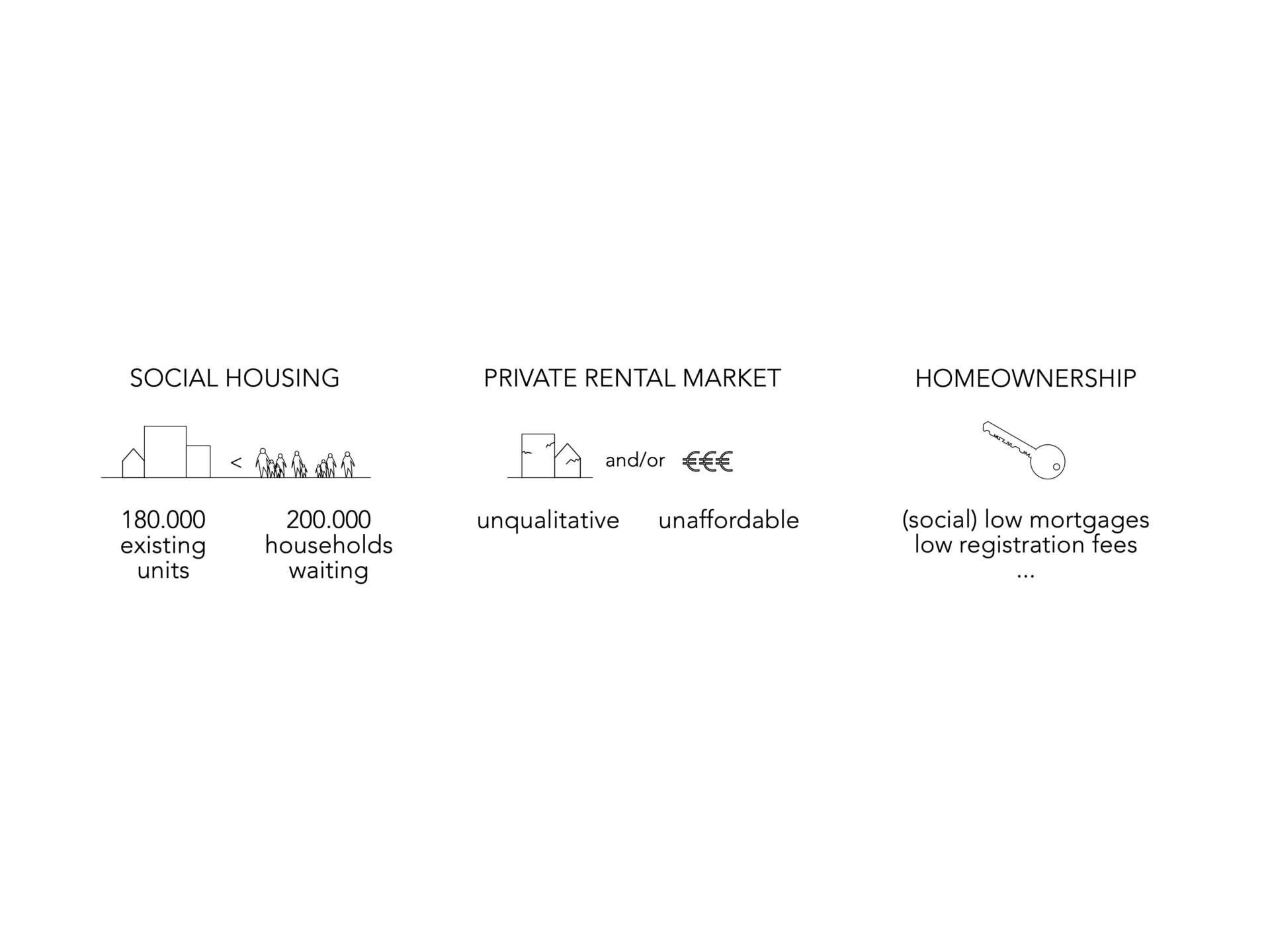
Figure 2: Scheme of the Research Context. Graphic made by the author, 2025.
With the new European Green Deal and a related Renovation Wave (European Commission, n.d.), which impacts renovation policies, low-income homeowners are increasingly challenged by high renovation demands. The research is positioned within the growing emphasis on participatory processes and inclusivity in architectural discourse as articulated by the New European Bauhaus (European Union, 2023). Although policy is implementing measures to also reach the lower incomes when it comes to renovation, distressed homeowners are more likely to encounter barriers to formal renovation pathways and are therefore a focus group for investigating potential under-the-radar renovation practices.
About the Research: Renovation Trajectories
The main sociological study on distressed homeowners, conducted at the Policy Research Centre Housing of the Flemish government, points out the rather high renovation rates among distressed homeowners (Vanderstraeten & Ryckewaert, 2019). The researcher’s survey mentioned that renovation works often did not lead to the desired effect, because carried out with less quality and only covering a small part of the renovation needs. Based on these prudent yet meaningful findings, I put forward the hypothesis that informal networks and renovation practices play a significant role among low-income households (Fig. 3). In research about do-it-yourself of self-build, positive sides such as cost-saving or personal empowerment are often highlighted (Benson & Hamiduddin, 2017), but the possible precarious side effects remain underexplored in a Western institutionalised context. Such refurbishments without professional support, inherent to this institutionalised setting, do they risk being quick-fix renovations? In addition, housing deprivation can affect other domains of life and have material, social and psychological impacts (Coene et al., 2025).
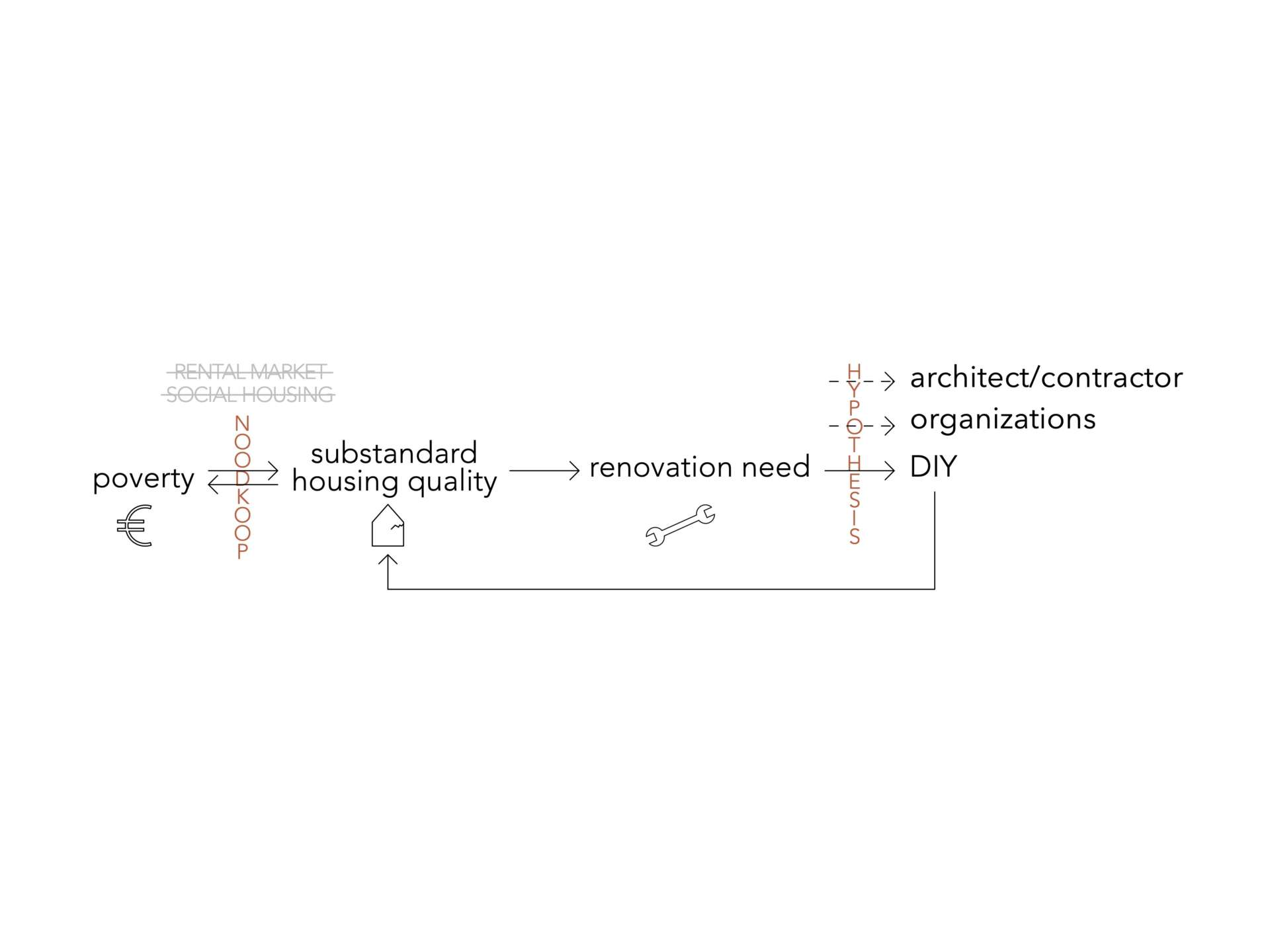
Figure 3: Concept Map. Graphic made by the author, 2025.
My study has the overarching objective of identifying informal undercurrents and the friction with existing projects and initiatives, whether they are policy-driven or led by non-governmental organisations. To then talk about the role of the architect, these informal practices should first be understood. It is therefore that the research in the first place aims to trace self-organised renovations and the involved networks, impact, and resources of knowledge and means. Self-organised renovation in this context can but does not necessarily mean do-it-yourself in the sense of with your own hands. The informal, improvised and sometimes illegal interventions form hidden trajectories of dwelling transformation that challenge dominant, policy-driven definitions of renovation.
About Me as a Researcher: Methodological Trajectories
Informal, self-organised renovations largely remain invisible in quantitative research and datasets, as access to subsidies and official funding requires invoices, permits and professional involvement. Therefore, the research adopts qualitative methods, also to reveal spatial aspects from a tactile, architectural perspective.
The fieldwork will be situated in the Rupel region as a case study, a post-industrial area of five municipalities in the province of Antwerp characterised by high poverty rates, an ageing housing stock of small working-class dwellings, low housing prices, limited institutional proximity, and a superdiverse population. A key entry point into the field is a renovation support project funded by the Flemish Distressed Homeowners Fund (Flemish Government, n.d.), which started in parallel with the research (SAAMO Provincie Antwerpen, n.d.). The collaboration with the involved welfare organisation will allow access to distressed homeowners and follow their renovation trajectories over time. It will hopefully also enable the research to include cases that fall outside the project’s scope because of too extensive renovation needs or rigid eligibility criteria. A challenge with the mentioned project, is that self-organised or DIY renovation might not have taken place before. Still, this absence is meaningful, as it allows us to trace why this was not the case, what factors may have prevented it, and how they have experienced the project’s transformations of their living spaces.
The methodology is structured around three approaches within the aforementioned case study. First, actor mapping is used as an ongoing process to identify key individuals, organisations and networks. Second, the study draws on exploratory conversations, in-depth interviews and house visits. The interviews will be held with both non-residents (relevant organisations, policy representatives, architects) and residents who can be identified as distressed homeowners. The conversations will be held before, during and after a potential renovation trajectory, especially embedded in the Distressed Homeowner Fund project mentioned earlier. The goal of the interviews with residents is to gain insight in their past and current housing and renovation trajectories and the obstacles or incentives they came across. They are also about reading how resident’s decisions manifest in material traces, spatial configurations, and the lived experience of their homes. Third, participatory action research will be employed to engage directly with residents and practitioners, allowing knowledge to be co-produced. The ‘actions’ will come forth from the house visits and the identified thresholds. The trajectory of renovation itself reflects the close link between research, planning, action and reflection that PAR emphasises, making it a valuable method within the renovation process. All these phases are complemented by roundtable discussions with a sounding board group. Currently, the research is in the preparatory phase of interviews and house visits, with the actor mapping developing in parallel.
As a researcher, I am aware of the methodological limitations. Informal renovation practices are particularly difficult to trace because they mostly fall outside official trajectories, yet it is precisely within this informal realm that many of these practices take place. Looking only from the outside, relying on visual analysis alone, does not tell the full story. Much of what matters happens behind façades, in lived-in spaces and are not immediately visible. Tracing is therefore a key verb within the inquiry, in the sense of identifying actors, having exploratory conversations, visiting homes when possible, and using drawings and visual tools to understand what is happening (Fig. 4, Fig. 5). Drawings in particular will be used as a tool for analysing, visualising, communicating and storytelling of ethically sensitive and fragile matters of households that might be confronted with multiple vulnerabilities.
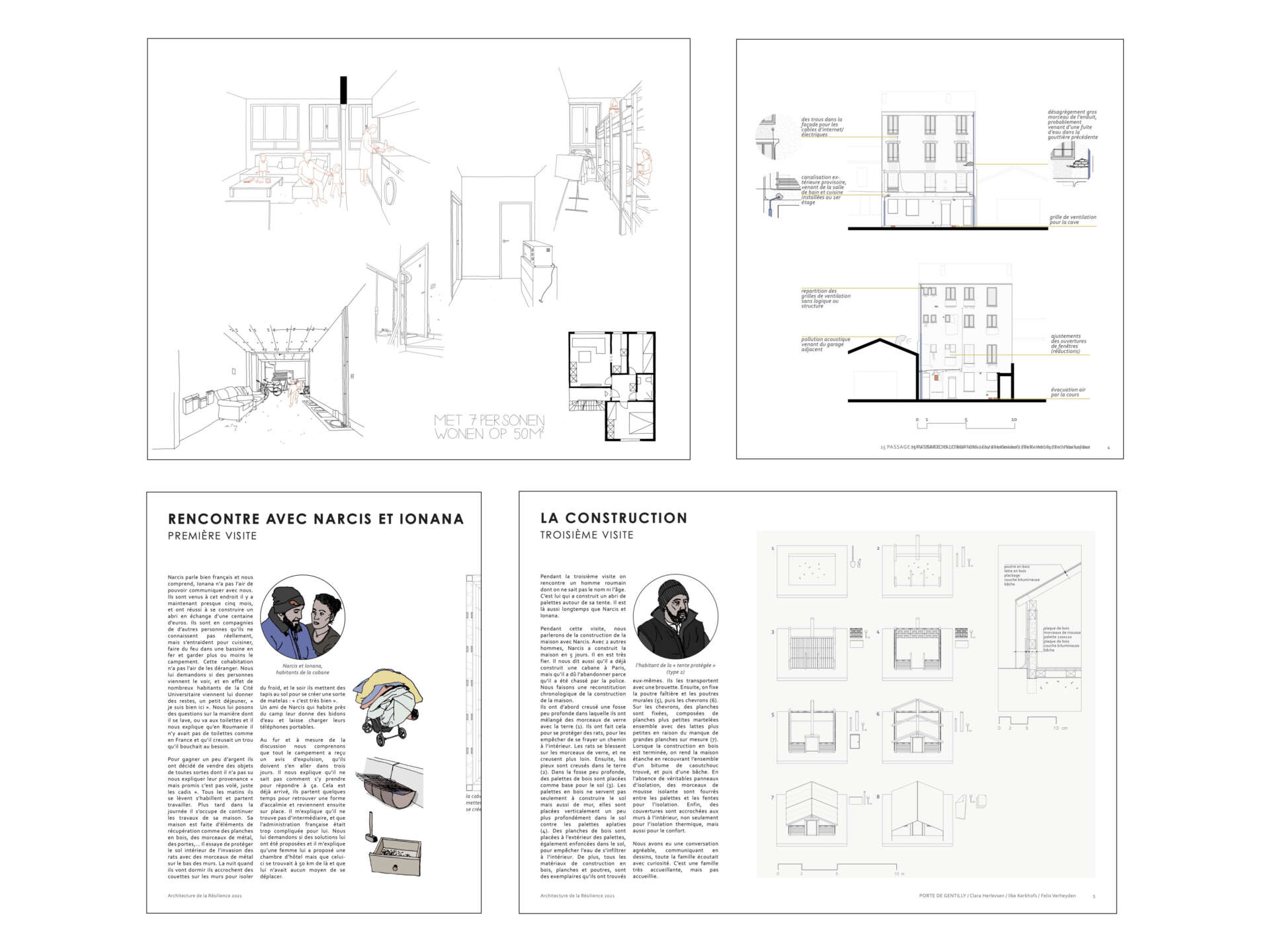
Figure 4: Previous Research on Housing Precarity and its Process of Visualisation. Graphic made by the author, 2021.
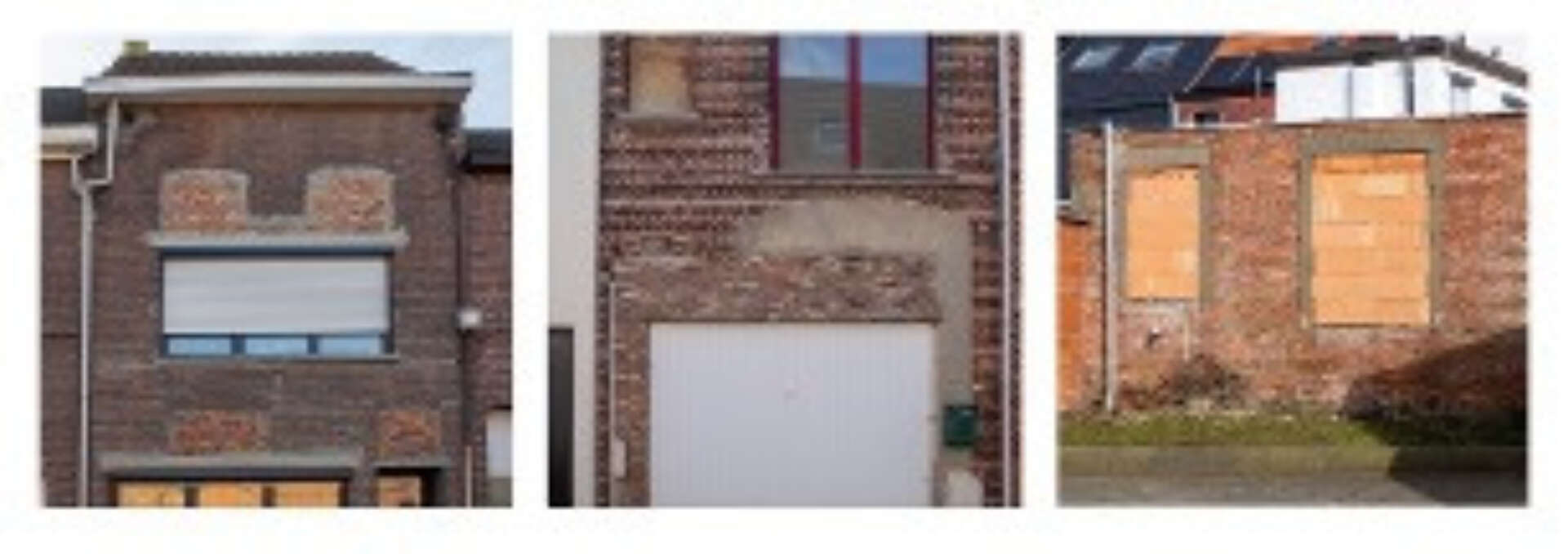
Figure 5: Start of a Photographic Series on Traces of Self-Initiated Change. Graphic made by the author, 2026.
About Open Questions
At the same time, the research keeps several questions open. Should for example one specific type of renovation be defined, such as energy improvements to the building’s skin? While energy improvements and housing quality improvements are closely linked, they are not identical. The current openness allows the research to develop as an iterative process and to react on issues that come up along the way. This raises a broader methodological question: how can architectural research methods in particular respond to and learn from the research conditions as stated before when conventional approaches reach their limits or do not reveal spatial practices?
As Julia Heslop argues in the context of participatory housing projects, professionals must shift from being mere problem-solvers to enablers who support residents in leveraging their own abilities, prioritizing lived experience over purely technocratic knowledge (Heslop in Benson & Hamiduddin, 2017). Similarly, as researcher Michele Lancione argues, getting closer to the housing problems themselves, where they are lived and felt, is the only way to imagine a new future for housing. Echoing the research of planner and sociologist Madden and Marcuse in 2016 (Madden & Marcuse, 2016), he hereby makes a plea to “combine the established political-economic analysis with a renewed sensibility to the lived experience of housing precarity” (Lancione, 2019). Although rather abstract, these statements trigger to hit the road and try to engage with everyday realities of housing and transformations of housing.
Literature
Coene, J. et al. (2025) Armoede & Ongelijkheid: jaarboek 2025. Leuven: Acco learn.
European Commission. (n.d.). EU Action to Address the Energy Crisis. European Commission.
https://commission.europa.eu/s...
European Union. (2023) New European Bauhaus. https://new-european-bauhaus.e...
Flemish Government (n.d.) Mijn VerbouwBegeleiding voor Eigenaars. https://www.vlaanderen.be/een-...
Flemish Government (n.d.) Ondersteuning van Renovatie van Noodkoopwoningen. Vlaamse Overheid. https://www.vlaanderen.be/ondersteuning-van-renovatie-van-noodkoopwoningen
Heslop, J. (2017) ‘Protohome: Rethinking Home through Co-production.’ in Benson, M. and Hamiduddin, I. (eds) Self-Build Homes. London: UCL Press, pp 96-114.
Kerkhofs, I. (2022) Betaalbaar Wonen: een Verkenning in Antwerpen. (Master's thesis, University of Antwerp). https://anet.uantwerpen.be/des...
Lancione, M. (2019) Radical Housing: On the Politics of Dwelling as Difference, International Journal of Housing Policy, 20:2, pp. 273-289.
Madden, D. J., & Marcuse, P. (2016) In defense of housing. London: Verso.
SAAMO Provincie Antwerpen. (n.d.) Vlaams noodkoopfonds Mechelen, Rupelstreek en Zwijndrecht - SAAMO. Via https://www.saamo.be/provincie...
Vanderstraeten, L. & Ryckewaert, M. (2019) Noodkopers, Noodeigenaars en Captive Renters in Vlaanderen. Nadere Analyses op Basis van het GWO2013. Leuven: Steunpunt Wonen.