
Unfolding Demolition of the Family House Entangled Narratives through the Architectural Essay Film
This visual essay explores an architectural essay film, which I currently work on as part of my postgraduate research. The essay film is treated as a form of witnessing rather than aesthetic documentation and is constructed through discussions of feminist new materialism (Fig. 2). Therefore, the study seeks to speculate conventional research in architecture by offering a compost of the narratives amalgamating common norms into individual, affective memories. This film focuses on the demolition of my family’s house.
Our Family House and its Unsafe Structure
Our four-story family house for thirty-five years, was a reinforced concrete structure with no architectural service, the aesthetic qualities and design decisions were made as it was built. Meanwhile, it was the witness of our childhood memories, illnesses, birthday celebrations, and losses.
The anticipated earthquake of Istanbul -expected to be destructive and happen in every 250 years- accelerated the urban transformation in the city. Our family house is located in one of the transformation zones. Core-drilling tests indicated that the structure was unsafe, the building was not worth preserving and was demolished. What may have been a swift decision for urban transformation was extended in time when it was our family house that was demolished. The film is situated temporally and physically within this experientially elongated demolition; follows materials agency, moves through more-than-human worlds, and engages with my memories. It emerges from otherworldly narratives and archives tales of familiar and unfamiliar (Figs. 2 and 3).
Multiple Temporalities through Material Trajectories
As part of urban transformation, durability and structural reliability are evaluated through core-drilling tests, the resulting data are used to estimate a building's lifespan, and buildings identified as unsafe are demolished (Fig. 4). In this process, these buildings are treated as lifeless, static datasets. Architecture practice reduces multiple temporalities, prioritizing a linear trajectory from construction to demolition and design decisions made without direct engagement with materials. In the Anthropocene era, there are critiques that remind us of the necessity to think beyond the traditional focus on temporal and spatial scales, to approach materials within ecological relationships rather than focusing on form design, and to recognize their agency (Simonetti and Wiegand, 2024). Hutton (2019) invites us to consider the ways in which materials take shape and interact as they move from geological strata or forests to factories, design projects, and landfills, encouraging us to imagine the meaning of materials for landscapes, people, and other places along their trajectory. She argues construction materials are not fixed in terms of time, space, and form; they are affected and affect (Hutton, 2019).
In my research, I approach her argument, considering the tangles of displaced, dismantled, moved, and accumulated materials as a component that invites multiple temporalities (Fig. 5). The decisions to demolish and vacate are made by a series of documents and signatures, quickly taken at offices and clean desks. After these decisions, the windows we clean first for the holiday break, strangers wander inside, the trees we water regularly get damaged and covered in dust. The tangles of material in the research are about the pieces, grains, and dust of these stories that have become knotted together over the years. In a rapidly changing urban environment, the research explores the creativity of slowness and intimacy.
The Heresy of the Essay Film
Touching the Unexpected in Research
In architecture, although alternative and speculative writing have begun to emerge in knowledge production and methodologies, a structure dominated by a text-based, academic style and tone, where a single author holds a privileged position and a rigid theoretical debate is defined, remains dominant (Troiani and Kahn, 2016). In contrast to this understanding, the nature of the essay is transgressive, Adorno (1984) argued, is associated with heresy; according to him, ‘the essay's innermost formal law is heresy.’ (Adorno, 1984).The research embraces the heresy of the essay film and explores its potential for speculative storytelling in architecture.
Essay film challenges singularity, authority, and comprehensive knowledge; it simultaneously addresses both the external, concrete facts and the internal, variable personal and creates critical fields of thinking. This openness to the unpredictable makes these films process-oriented; thus, research is reconfigured as a journey without a defined destination (Arthur, 2017). Penelope Haralambidou (2015) proposes a hybrid genre for films that intersect architecture and theory -particularly those engaging urban and architectural design- and characterizes these productions as architectural essay films (Haralambidou, 2015).
The research collectively produced by Bihter Almaç and a group of academics (2025), titled Three Disentanglements for the Exhausted Geographies, the essay is approached as a mode of resistance against objectification through its productive short-circuit capacity and is enlarged as a feminist and creative research method in architecture. Emphasizing the importance of worlding in order to build egalitarian imaginaries in conventional fields. In contrast to impartial methods, they discover the architectural essay film as a way of world-making alongside other bodies and emotions (Almaç et al., 2025).
In my research, building on these practices, I explore the architectural essay film through Donna Haraway’s (2016) notion of tentacular thinking and experiment with it as an SF practice. SF, in being a mode of thinking and storytelling, refers to a relational practice; it encourages us to think not from a human-centered position but within entanglements of responsibility and care with more-than-human beings (Haraway, 2016). The essay film enables me to draw reciprocities between stories -between the individual and the social (Figs. 6 and 7). I approach the film through the process of demolition of our house; however, the tentacles of the building touch unexpected places, times, and actors. It extends beyond my memories and emotions, reaching into the material realities that have been overlooked in the production and consumption of architecture, and stays in the present; it characterizes an act of care grounded in responsibility (Figs. 8 and9).
The Embodiment of the Knot
The Crack
My film enfolds thinking and remembering as an act of togetherness, enabling entanglements. I approach this as a knot and attempt to explore through Jane Bennett's (2010) concept of thing-power and vibrant matter. Bennett (2010) perceives the energetic vitality of the glove, mouse, bottle cap, and pollen she encounters, and describes these objects as things that vibrate and shimmer. Matter spreads across all bodies, which cease to be mere objects. According to her (2010), within the distributed power, these bodies become inextricably enmeshed in a dense network of relationships, like kin (Bennett, 2010). My research is embedded in the kinship between material and immaterial, human and non-human bodies, and takes shape within a knot woven of glass, cable, iron, ceramics, the pine tree, my family, myself, contractors, scrap dealers, new settlement plans and thoughts of return (Fig. 10).
Reconstructing Assemblages
Juxtaposition of Sounds, Images, and Texts
In the making of the film, my position is blurred. I move from a former resident, to a witness, then a detective tracing material entanglements, to a researcher, and to a filmmaker. The research process transformed into a touching and embodied journey. I structure the filmmaking process based on these positions with three core actions that are not independent of each other but differ in their unique features: gathering entangled tales, unfolding time, and bendingspace and relations horizontally.
Gathering
Gathering happens in an instinctive way. The first recording is of the iron shutters of the store below my room being dismantled. My witnessing then evolves into an embodied engagement of exploration. I gather and archive minor and ordinary things. My camera becomes an extension of my body and together we are affected by the environments we are situated in. We witness fragile assemblages of material entanglements. We are covered in dust during the dismantling by scrap dealers and soaked by the water sprayed during demolition.
Unfolding
The unfolding of time is a process in which I question the linear notion of time and discover its restructuring. The past, now and future become superimposed, the distances within the simplified notion of time become ambiguous. I attempt to expand the rapid moment of demolition across processes of moving and gathering belongings, waiting in the abandoned house, extracting materials valued by scrap dealers and second-hand traders, accumulating materials in storage, and their sorting on waste mounds (Fig. 11).
Bending
The unfamiliar refers to static and frozen situations we have not previously experienced or have overlooked: cables torn from the wall, metal waste stored in a warehouse, a wheel emerging from the soil; things quite alien to my domestic life materialise along with core memories of my home such as a graphite pencil sketch I did on my bedroom wall when I was a bored teenager. Throughout the film, these scenes become blurred and the distinction between the familiar and the unfamiliar becomes increasingly difficult to sustain. Then, my film becomes a speculative material entanglement compost of narratives through the juxtaposition of sounds, images, and texts, moving beyond being an aesthetic medium of expression. The boundaries of places become indistinguishable, expanding from the room I grew up in to the warehouse between neighbourhoods and the waste hills. The interweaving of familiar and unfamiliar narratives happens during the montage stage. Places and time bend, expand, and stretch across the horizontal plane of the program interface for editing. The photo of cutting a birthday cake from our family photo archive resurfaces, along with the leaves of a tree casting its shadow onto the road, and a bird nesting in an electrical panel. The familiar responds to states of growth together and caring, and unfolds over time. In this layer, life extends toward more-than-human beings, and their being overlaps with my memories, including the pine tree that grew up with me, the bird I feed that visits my window, and the cat that tries to come inside whenever a door is open.
Conclusion
In this essay, I explore the essay film as an interdisciplinary research method in architecture, engaging it as a form of witnessing entanglements and folded temporalities through the demolition of my family house. This witnessing unfolds through the encounters of the tentacles of our family house, which was dismantled after thirty-five years. I ground this witnessing in tentacular thinking. In the essay film, this way of thinking explores the narratives of minor within the context of urban transformation. The film explores the critical potential of positioning far from the form, aesthetics, and future scenarios of the design process in architecture and places other possible tales and affects shaping human and more-than-human bodies within rigid theoretical debates.
This research is part of my ongoing master’s thesis, supervised by Assoc. Prof. Dr. Bihter Almaç, Istanbul Technical University.
This research was initiated within the Architecture in Context MTS507E [Architectural Essay Film & Practices: Research and Representation] course taught by Assoc. Prof. Dr. Bihter Almaç in the Architectural Design Master’s Program at Istanbul Technical University. The reading list of the course provided the references for this research and was used throughout the study.
Figure 1: Becoming a Witness. Film still by Berivan Güzel, 2026.
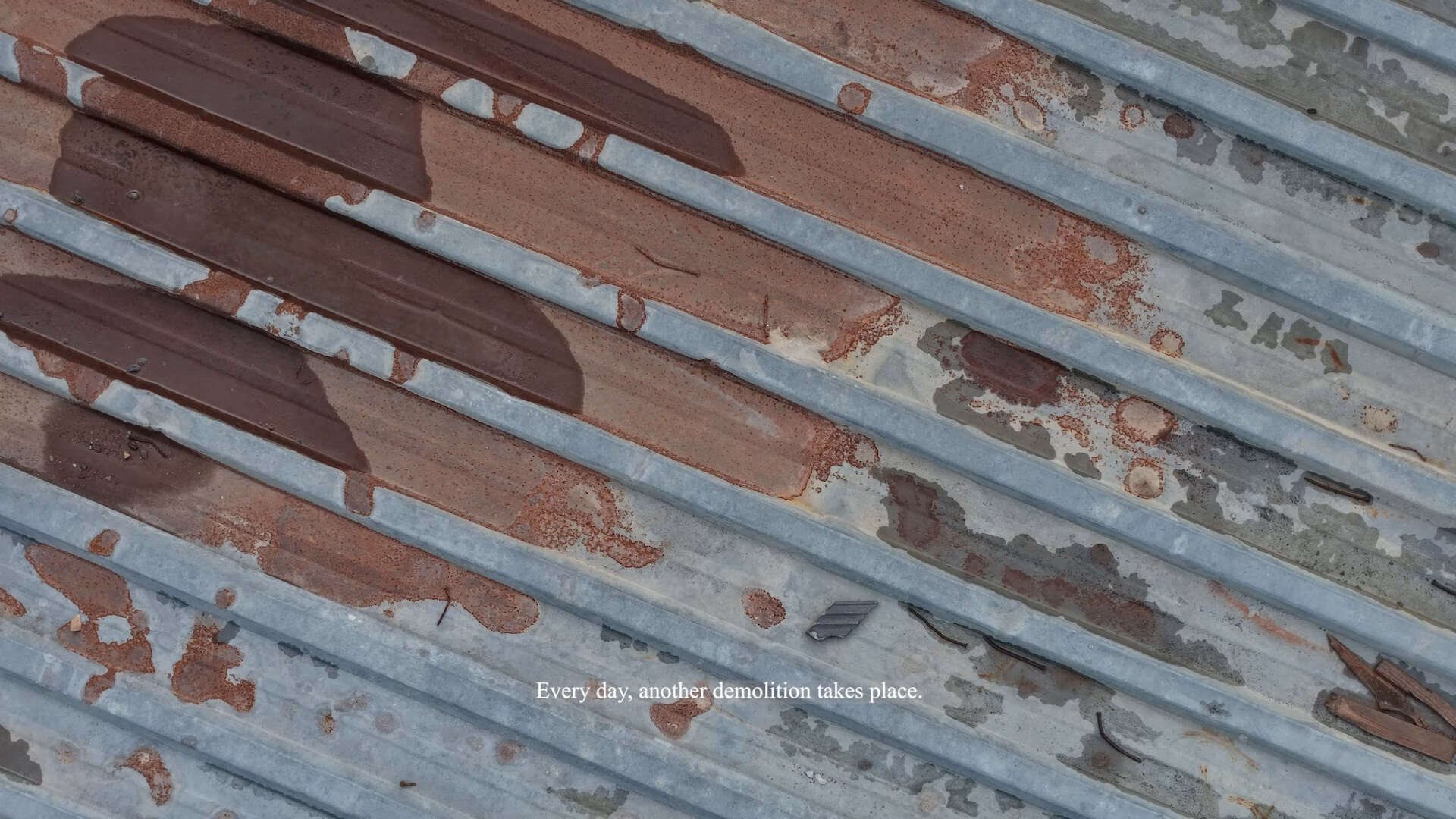
Figure 2: The Metal Sheet. Film still by Berivan Güzel, 2026.
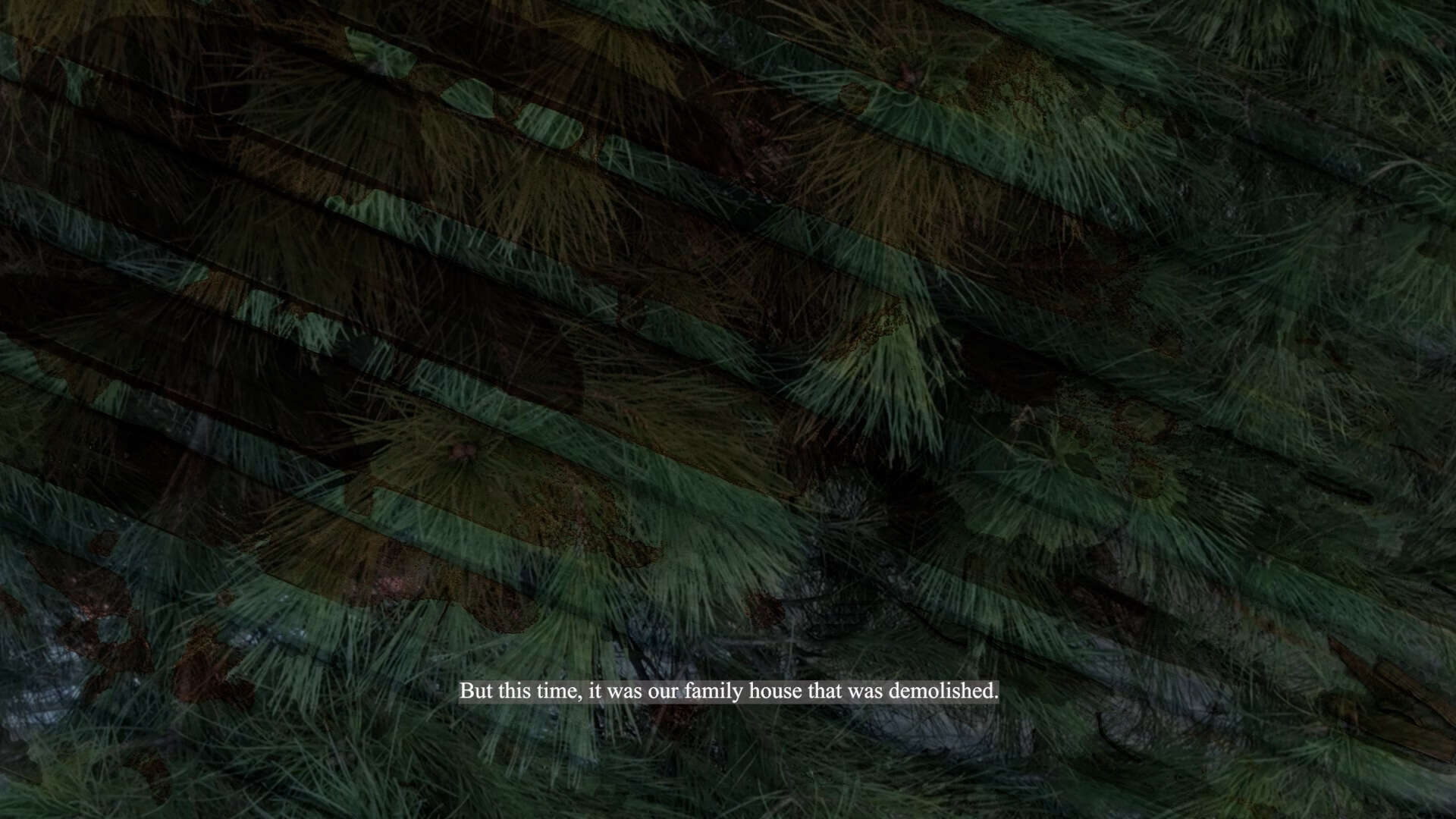
Figure 3: The Pine Tree. Film still by Berivan Güzel, 2026
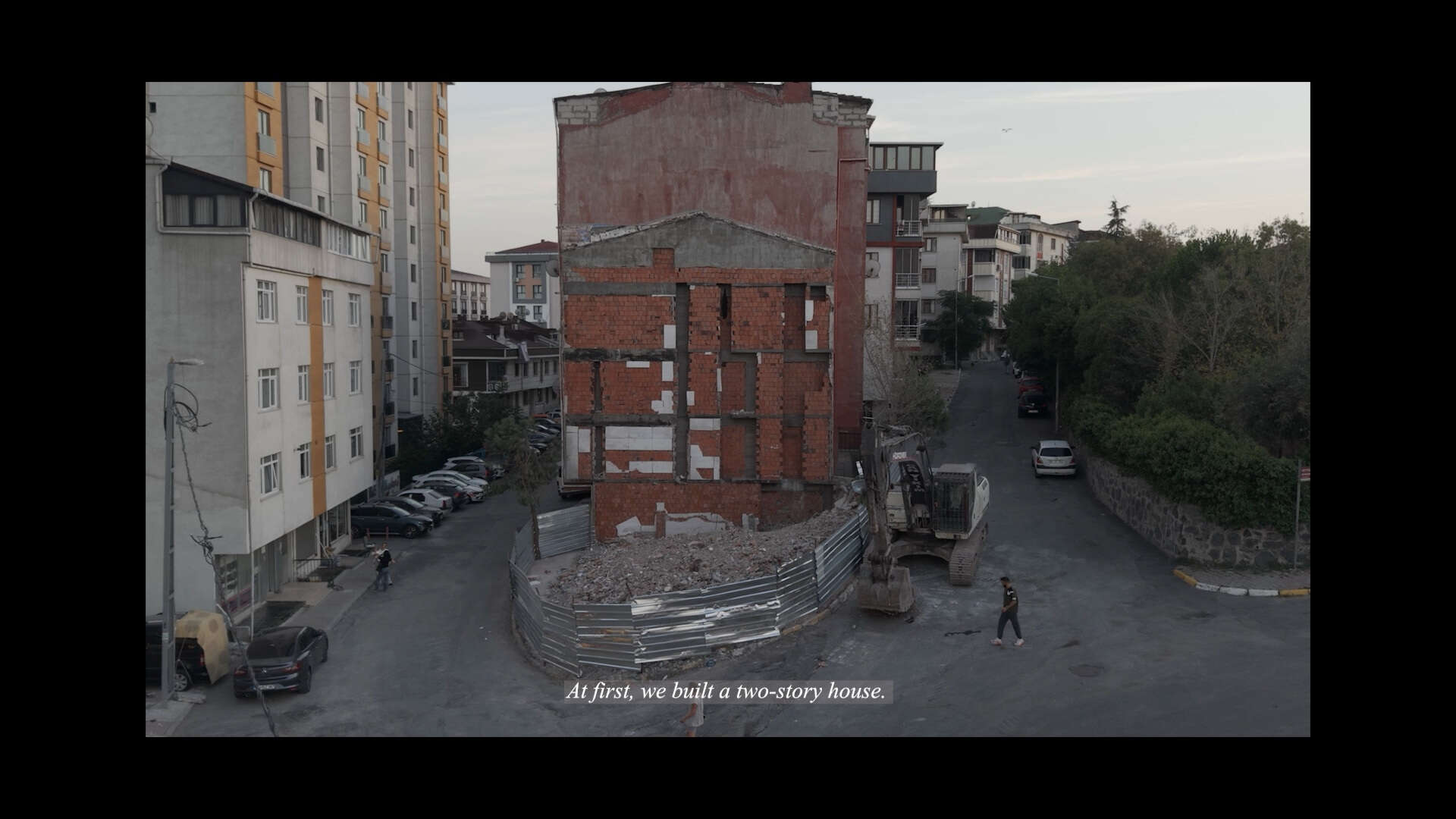
Figure 4: After Demolition. Film still by Berivan Güzel, 2026.
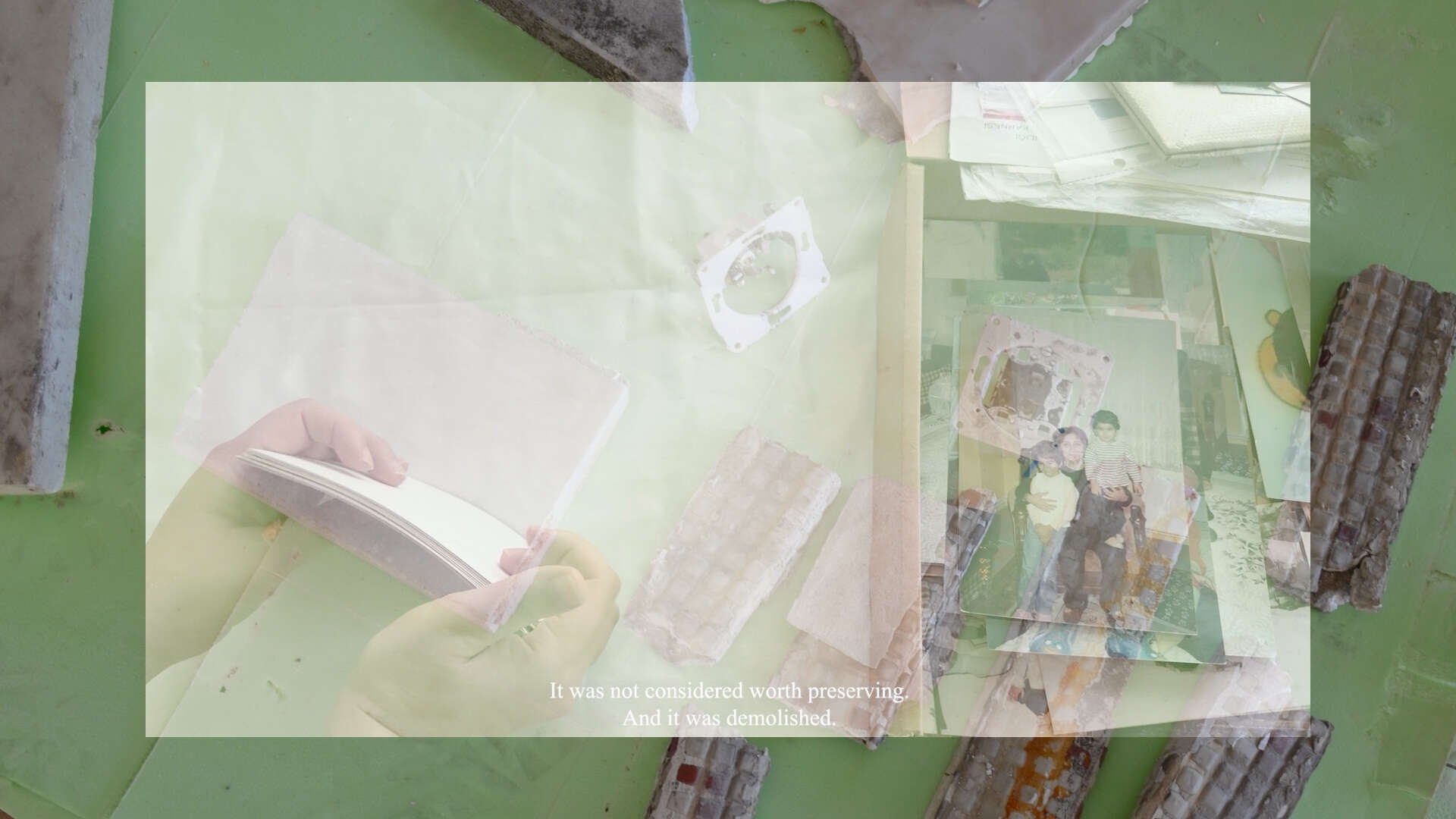
Figure 5: Album. Film still by Berivan Güzel, 2026.
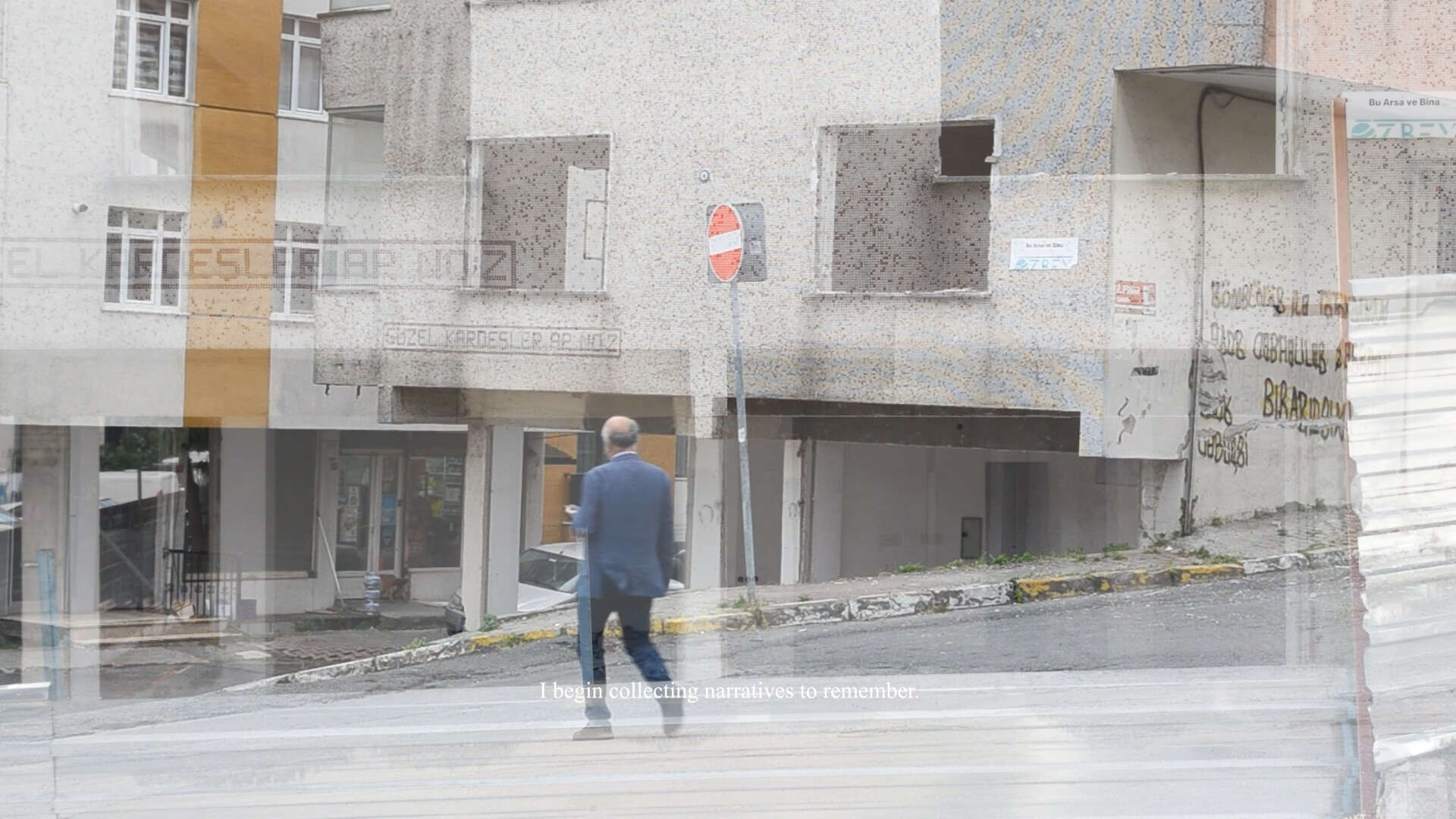
Figure 6: Stranger. Film still by Berivan Güzel, 2026.
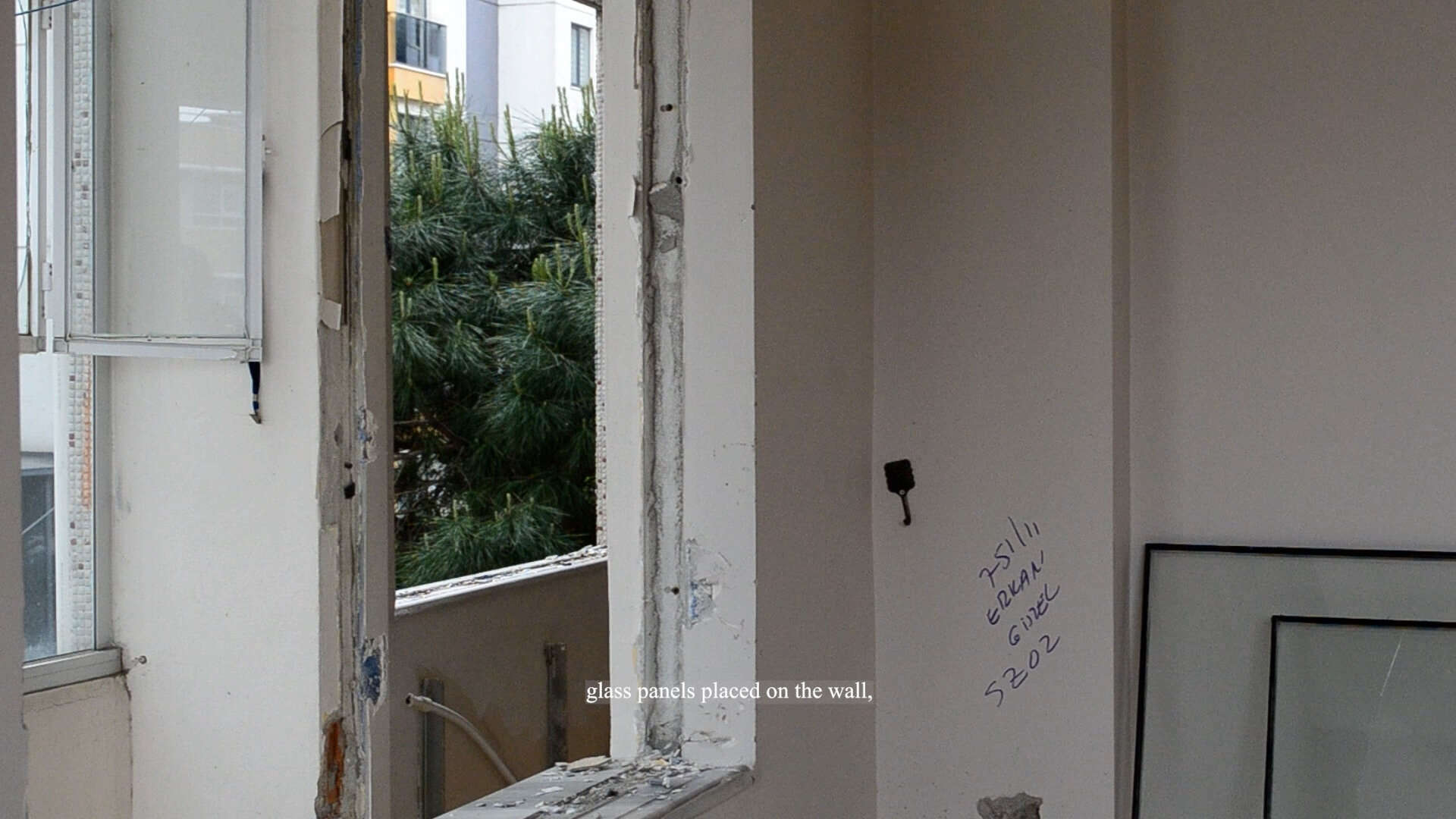
Figure 7: Dismantled. Film still by Berivan Güzel, 2026.
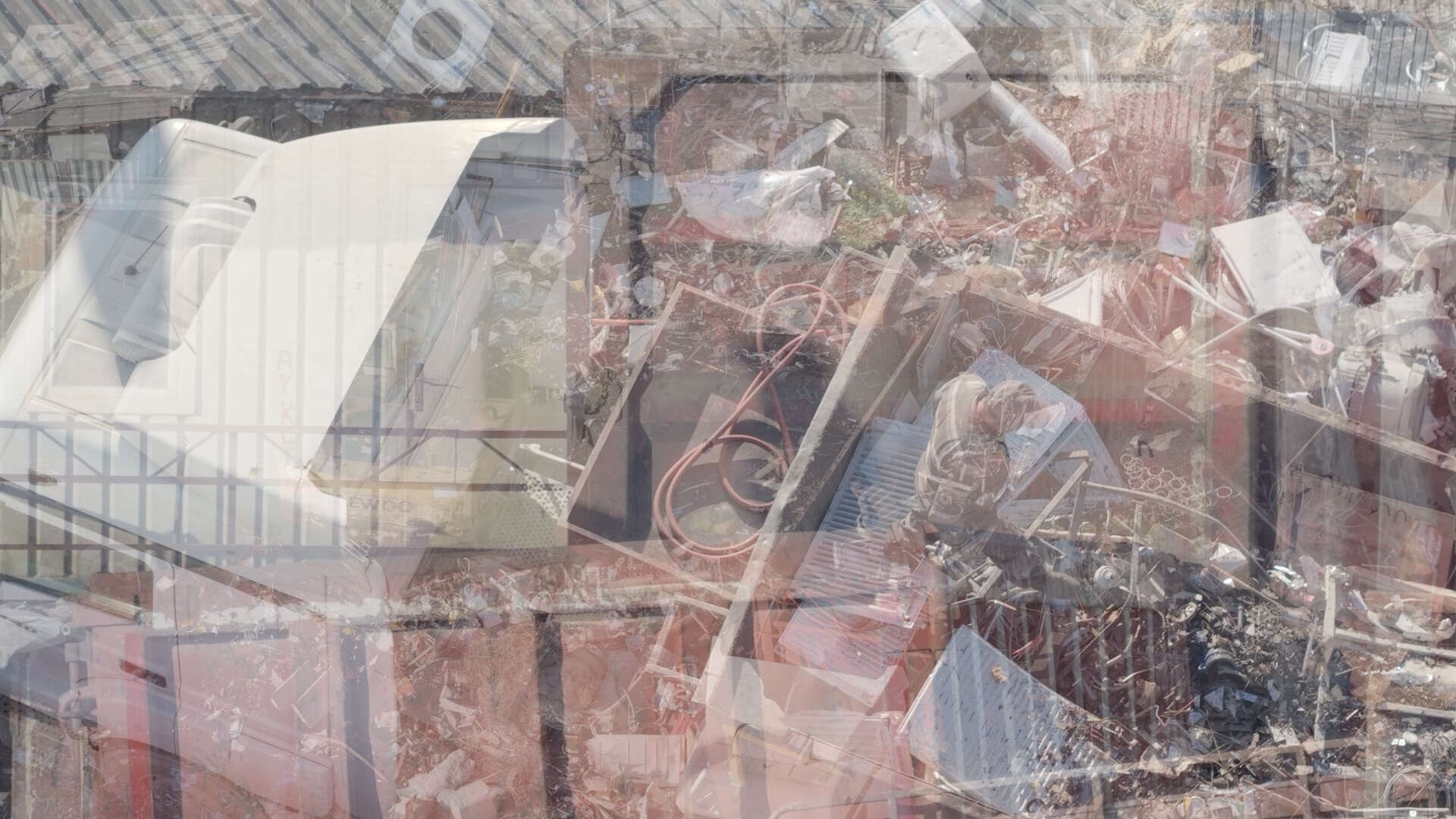
Figure 8: Waste Mound. Film still by Berivan Güzel, 2026.
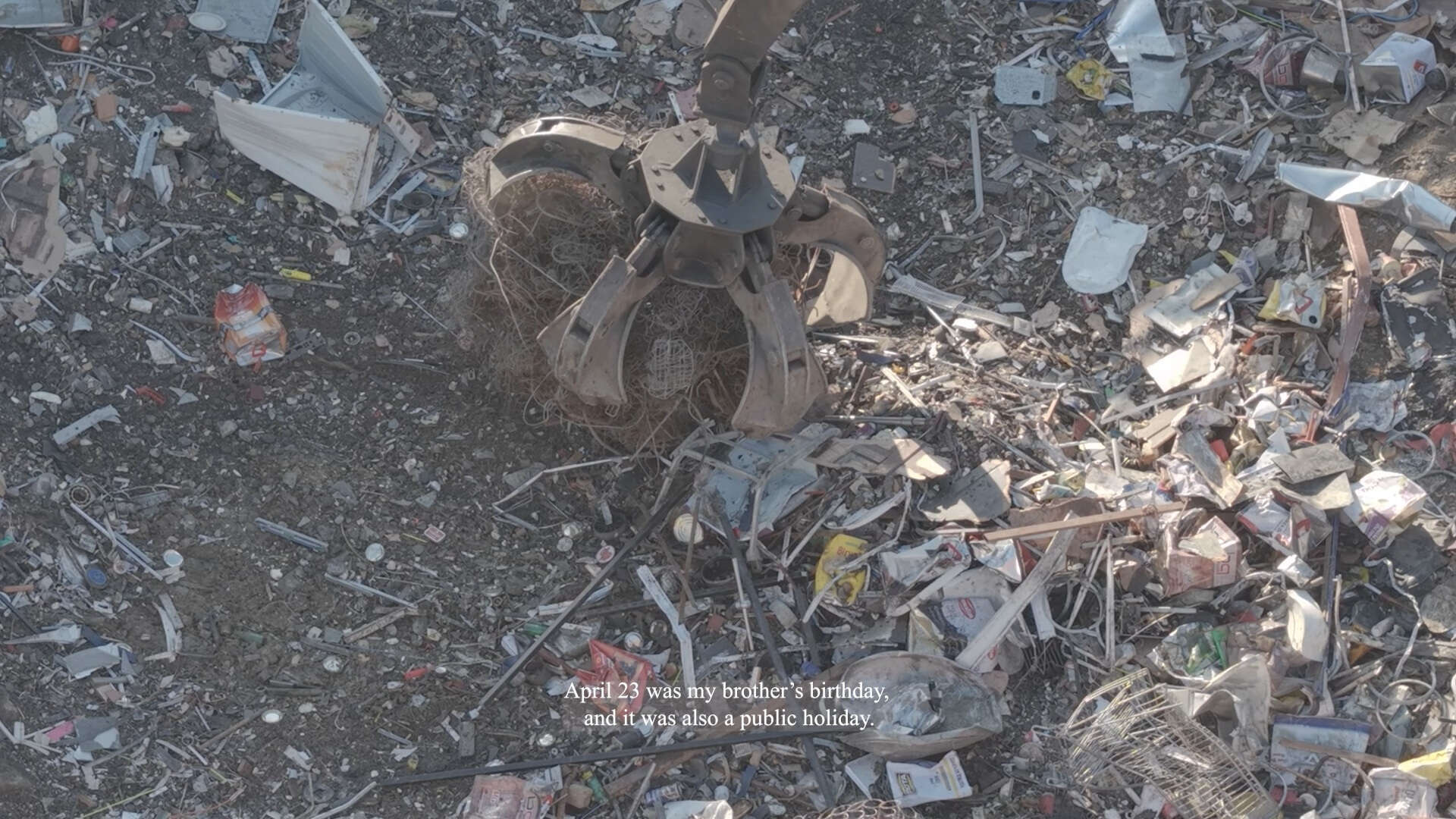
Figure 9: Waste Mound. Film still by Berivan Güzel, 2026.
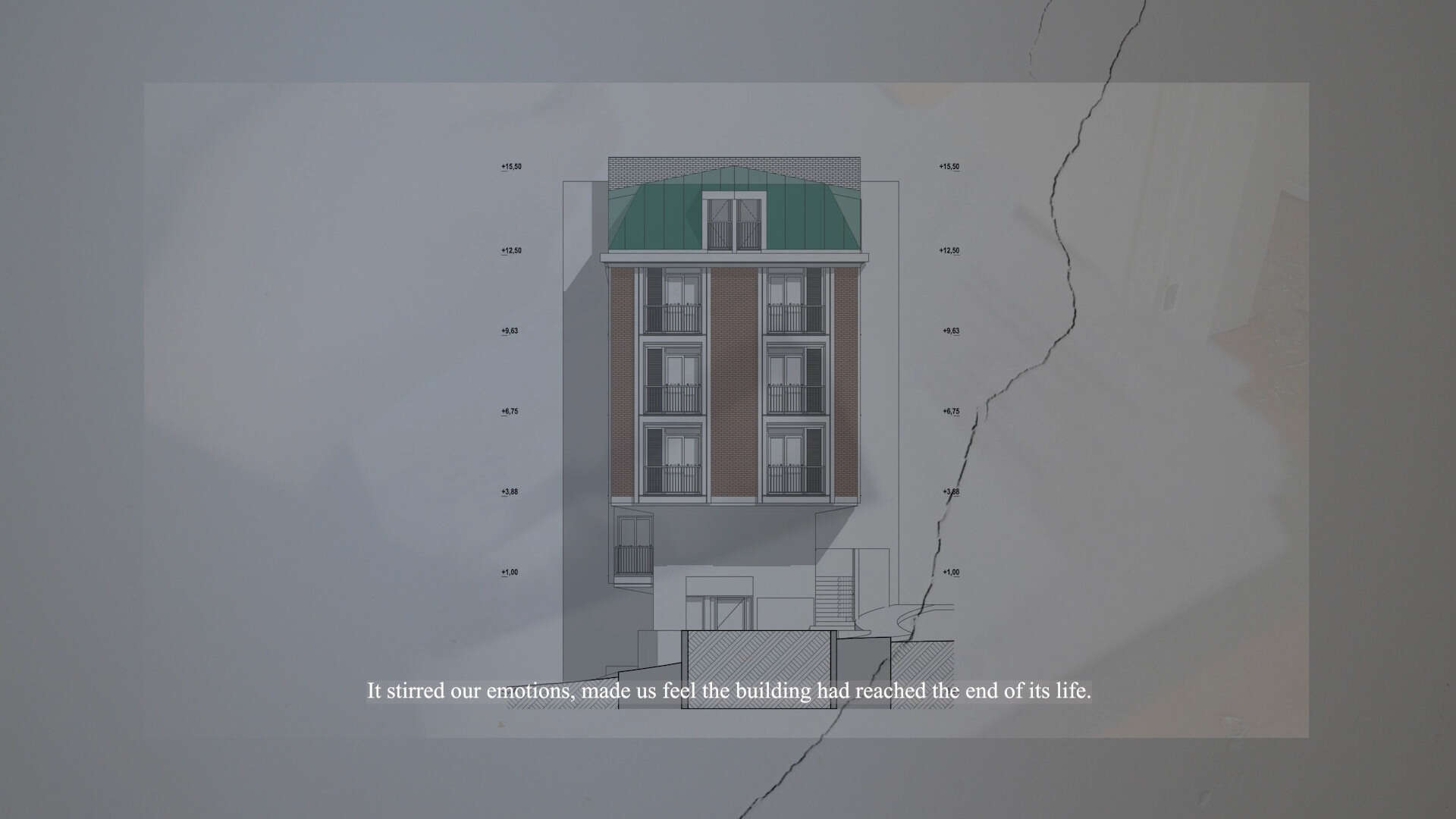
Figure 10: The Crack. Film still by Berivan Güzel, 2026.
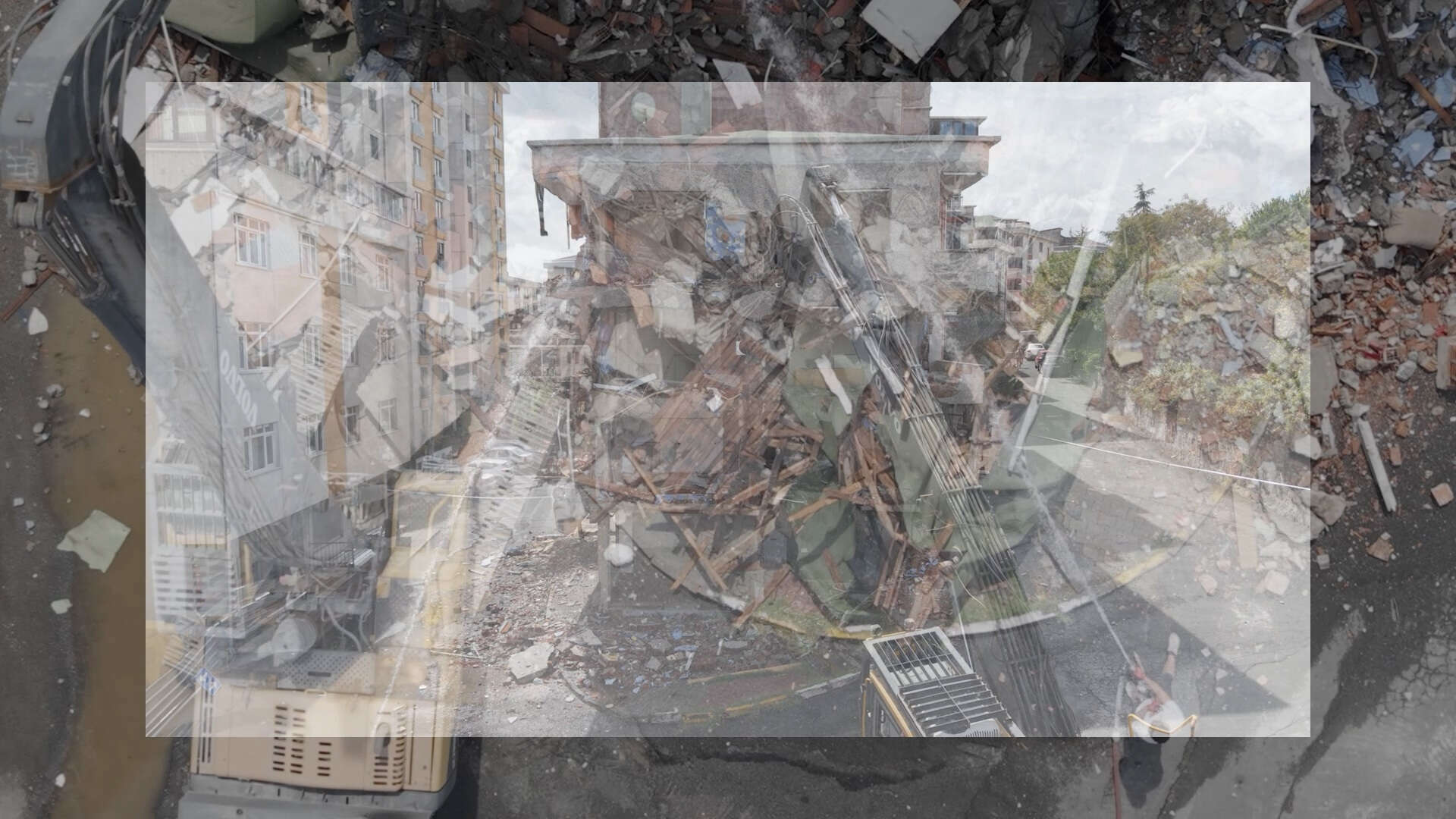
Figure 11: Demolition. Film still by Berivan Güzel, 2026.
Literature
Adorno, T. W., Hullot-Kentor, B., & Will, F. (1984). ‘The Essay as Form’, New German Critique, 32, pp. 151–171.
Almaç, B. et al. (2025) ‘Three Disentanglements for the Exhausted Geographies’, Journal of Architectural Education, 79(1), pp. 268–284.
Arthur, P. 2017. 11. Essay Questions (2003). In: Alter, N. and Corrigan, T. ed. Essays on the Essay Film. New York Chichester, West Sussex: Columbia University Press, pp. 161-171.
Bennett, J. (2010) Vibrant Matter: A Political Ecology of Things. New York, USA: Duke University Press.
Haralambidou, P. (2015) ‘The architectural essay film’, Architectural Research Quarterly, 19(3), pp. 234–248.
Haraway, D. (2016) Staying with the Trouble: Making Kin in the Chthulucene. New York, USA: Duke University Press.
Hutton, J. (2019). Reciprocal Landscapes: Stories of Material Movements. London: Routledge.
Simonetti, C. and Wiegand, E. (2024) ‘The matter of architecture: Building materials in the Anthropocene’. doi:10.17863/CAM.121064.
Troiani, I. and Kahn, A. (2016) ‘Film as Architectural Theory’, Architecture and Culture, 4(3), pp. 485–498.