
Walton Hall An Artistic Inquiry into the Nature Reserve as a Layered Wntity
Introduction
This visual essay is anchored in Dear Anne, a video installation developed within an artistic doctoral research project that examines nature reserves as layered spatial, historical, and ideological formations. Its central site is Walton Hall (UK), widely regarded as the world’s first nature reserve. Established in the early nineteenth century by Charles Waterton as a walled sanctuary for birds, Walton Hall is today repurposed as an exclusive golf club—an evolution that already signals the site’s shifting regimes of protection, access, and ownership.
The visual essay unfolds through two letters addressed to Anne Edmonstone, a young woman of Guyanese descent who arrived at Walton Hall through an arranged marriage to Waterton and lived at the core of the enclosed estate. Despite her central presence, Anne remains largely absent from the dominant historiography of the site. By addressing her directly, the letters trace the transformation of Walton Hall while foregrounding its entanglement with colonial plantation economies that contributed to the estate’s formation. Past and present collapse into a landscape where historical violence remains materially and symbolically inscribed.
Figure 1: Schematic top-view map of Walton Hall (UK), drawing by Sarah Van Marcke, 2025.
Rather than treating the reserve as a stable ecological entity, the research approaches it as a site in continuous transformation, shaped by ecological idealism, gendered erasure, colonial legacies, and contemporary land-use regimes. The letters operate not simply as narrative devices, but as a situated research method, opening up a space in which speculative, affective, and historically grounded modes of knowledge can coexist, allowing the site to be read through multiple, entangled perspectives. This visual essay builds on a prior video installation in which the letters were originally presented as voice-overs. In this iteration, they are reworked into a visual essay format, where the letters are brought into relation with a sequence of film stills. Together, these elements form an intermedial research apparatus through which the site is explored across multiple temporalities, scales, and more-than-human agencies.
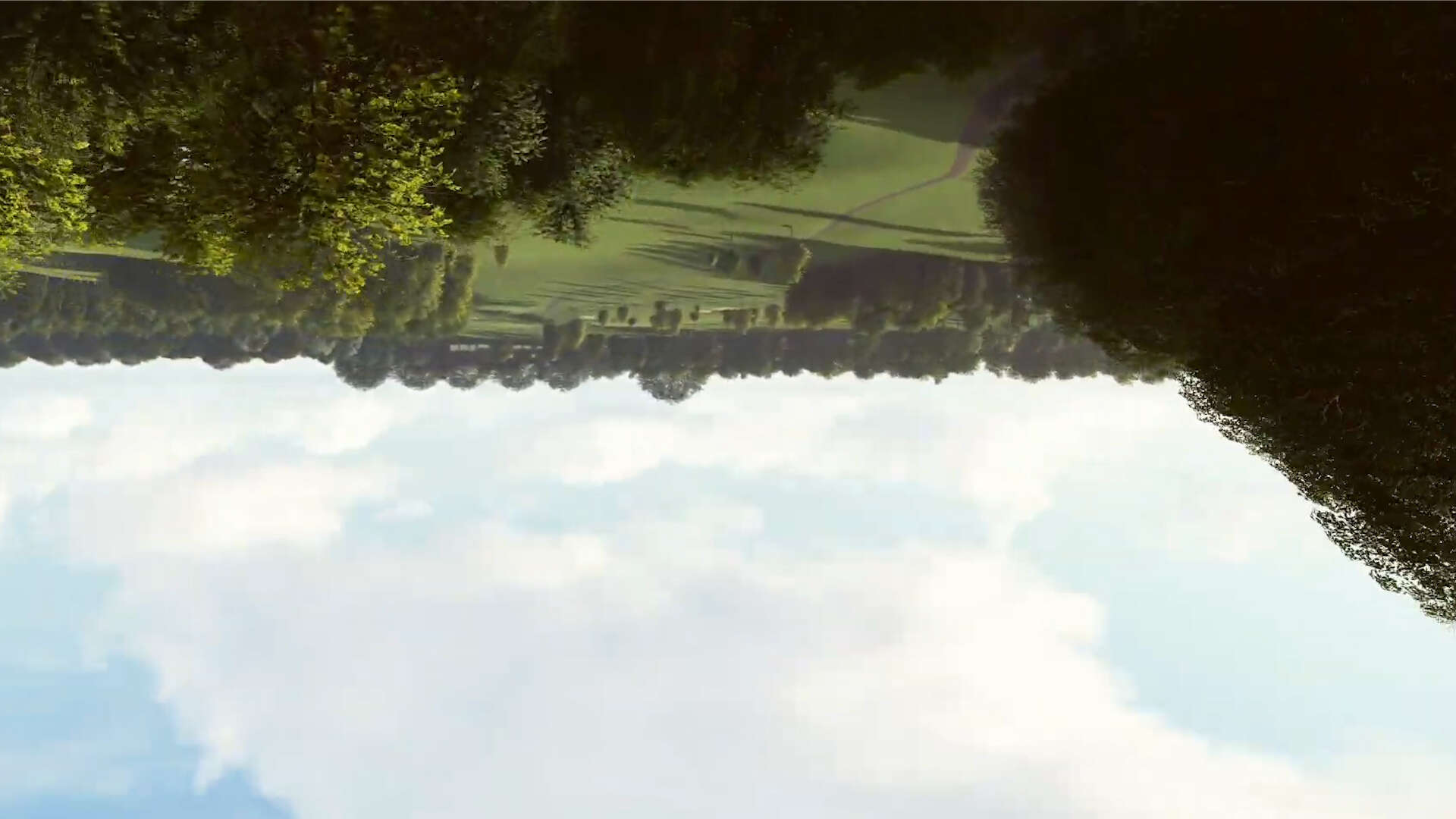
Figure 2: Still from multi-channel film-installation Dear Anne, 25’, Sarah Van Marcke, 2025.
Dear Anne,
I’m writing from what I’ve decided is your bedroom. The hotel staff didn’t know who you were, let alone where you might have slept. So, from the remaining vacant rooms, I’ve chosen this one and declared it your former bedroom.
The house is a hotel now and the surrounding grounds an exclusive golf club. What was once the cradle of the world’s first nature reserve has been turned into a green desert, a playground for the well-to-do. I’m sitting on the window seat next to the bed. I’ve closed the curtains around me, so the space I occupy is just as wide as the window. It is only here that I’ve finally managed to write. The house, these grounds, they are so vast and cold.
I have a photocopy of one of your last letters, written in October 1829, a few months before you passed. It is different from your earlier ones—less polished, more urgent. About halfway through, you turned the paper 90 degrees and began writing over your own words, creating a sort of word grid, layer upon layer, as if it were a secret code or a frantically drawn map.
In the letter, you speak about your pregnancy, the frequent vomiting and the changes in your body. Isolated within this sequestered domain, cut off from the world, so immensely distant from your life in Guiana, from the places and creatures that once grounded you, you were ashamed and unable to grasp what was happening to your body.
When I was pregnant, I remember I had this strange, unsettling feeling as my joints and bones loosened. There’s a hormone that softens your body, making it more flexible, like that of some shapeshifting being. I recall standing up, feeling like all the bones of my pelvis were held together only by the skin of my abdomen, like those plastic woven bags for firewood you find at petrol stations.
This room has witnessed your pregnancy, the birth of your child and your untimely death that ensued from it. I imagine the air in this house thick with hormones during your labour. Oxytocin flooding the rooms, pheromones drifting out the windows, weaving into the trees, the water, the sky. Maybe even calming the otherwise territorial swans and geese.
After you, thousands of women gave birth here; a century after your passing, this house became a maternity home. The walls are imbued with contractions and first cries. The wooden floors saturated with amniotic fluids and sweat.
There’s a local city archive here in Walton that holds only a few scraps of you, in the form of letters. That is where I made the photocopy of your letter. In the same archive there are also estate records, notes about the biodiversity of this place and the birds that lived here. It states that the mistle thrush began singing in October, when you wrote your letter. And when you went into labour, the sand martins arrived, announcing the birth of your son and your passing. They travelled from afar, crossed oceans and arrived here to nest and care for their offspring, just as you did.
I wonder which bird you loved best. I like the mistle thrush, as they sing in a melancholic minor key.
Love, Sarah
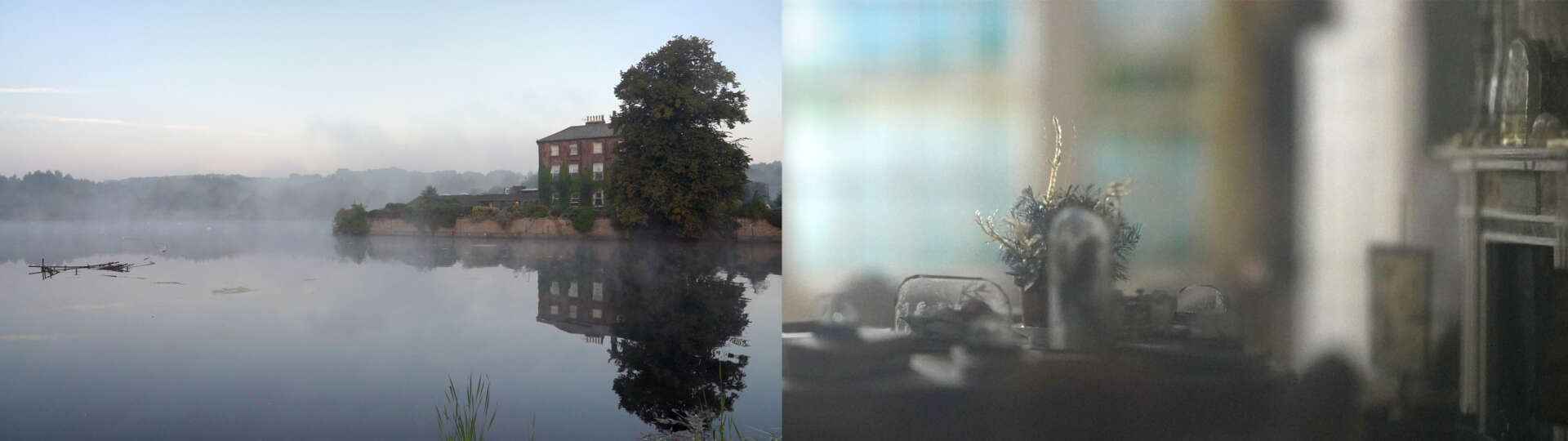
Figure 3: Still from multi-channel film-installation Dear Anne, 25’, Sarah Van Marcke, 2025.
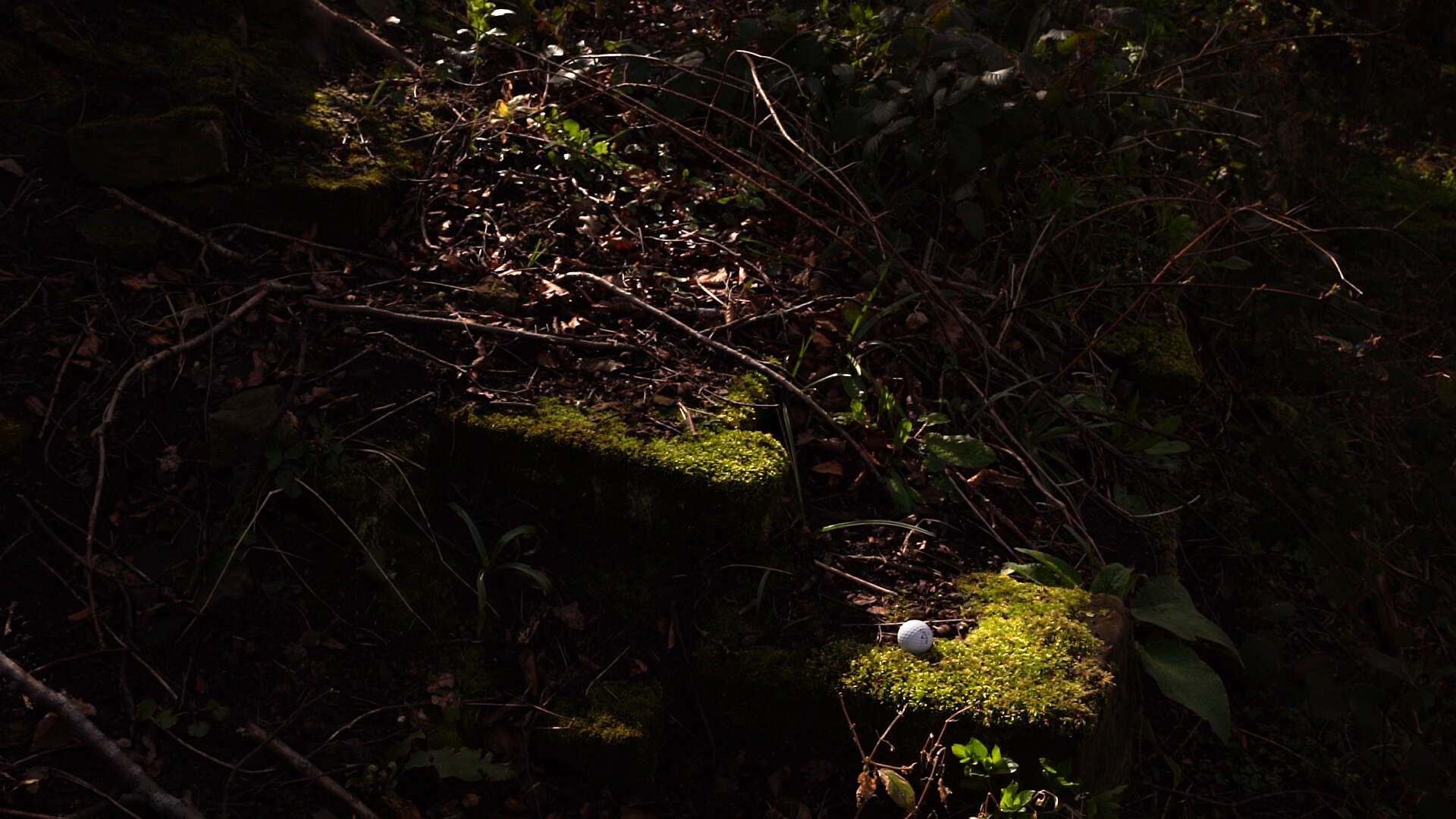
Figure 4: Still from multi-channel film-installation Dear Anne, 25’, Sarah Van Marcke, 2025.
Dear Anne,
I like watching the golfers. Observing their choreographies. A miniature society unfolding before me.
If I’m being truly honest, I must admit that I might prefer watching golfers to watching birds. It’s a troubling thought, I know, and I wish it were the other way around. I usually sneak into the Walton estate by slipping through the gaps in the wall and hiding among the shrubs and bushes that divide the fairways. I’m neither a golfer, nor a member of the exclusive club.
I’m not allowed inside these walls—unless I book a room in the overpriced hotel that was once your home. Then I’m free to lounge around in the wellness centre and gym with the golfers’ wives.
So, I devised this clandestine route, hopping from one bush to another, slipping through the remnants of your heritage. I circumvent the green, so no one notices. The brambles covering the bushes make it impossible for golfers to track me. It’s dense, dark and damp in there. Protected by thick plastic rainwear, I make my way to the parts of this domain that resist human control. And I watch the golfers.
Yesterday, on my way back to the bus station just outside the domain, one of the golfers drove next to me at walking speed. He rolled down his window and asked, ‘What are you filming the whole time? Are you some kind of ornithologist?’ So, no, I’m not as invisible as I’d like to be. But I was flattered. I would love to be an ornithologist. I seized the opportunity. ‘Yes, I’m an ornithologist,’ I replied.
Patiently observing creatures from a distance—tracking their movements, studying their behaviour. A notebook always in hand, filled with tiny, precise sketches of how they inhabit space, alongside a few carefully noted Latin names. It may come as a shock to hear that birds are no longer the central figures in this domain. The wall around the estate, marking the first world’s nature reserve, no longer protects the birds from poachers—it protects the golfers and their habitat. An ecosystem of manicured lawns, collared shirts and gentle applause.
The birds’ eggs have been replaced by stray golf balls. I find them scattered on the ground around the bushes and scrubland where I roam. Some bearing brand names, others imprinted with slogans that echo some values of this new ecosystem: ‘Productivity’, ‘Challenge’, ‘Pro Power’, ‘Top Elite’, ‘Titanium’.
Once, while crawling through the bushes, I bumped into three kids, about eleven years old. We startled each other, froze for a second, staring into each other’s eyes—like four small mammals caught crossing into marked territories. They had crawled through the same hole in the wall as I had and were searching for lost golf balls. A popular hobby among the kids living just outside the wall.
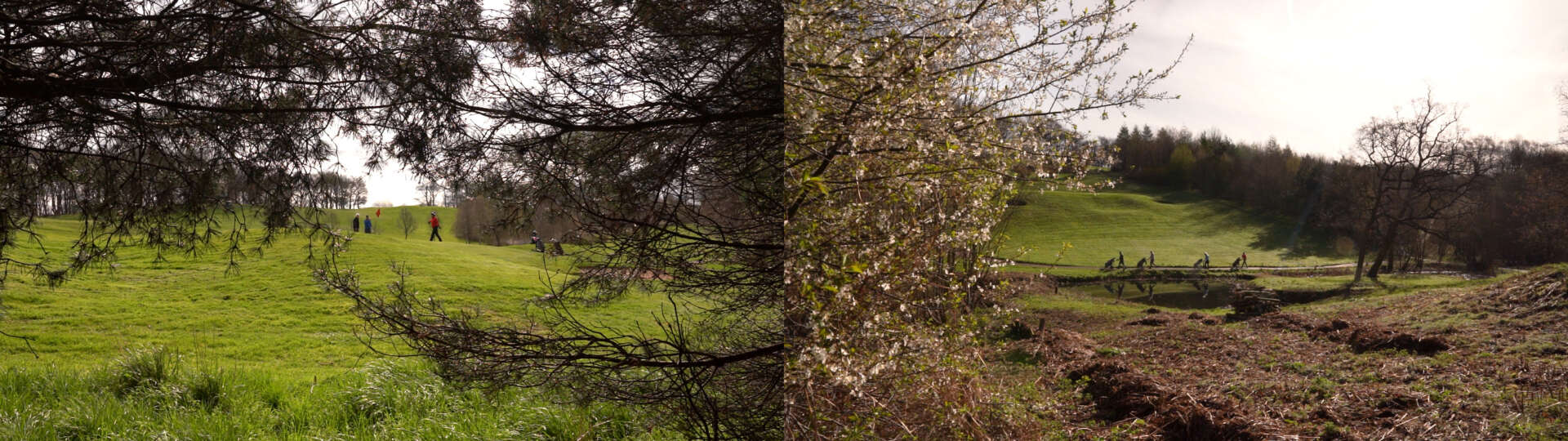
Figure 5: Still from multi-channel film-installation Dear Anne, 25’, Sarah Van Marcke, 2025.
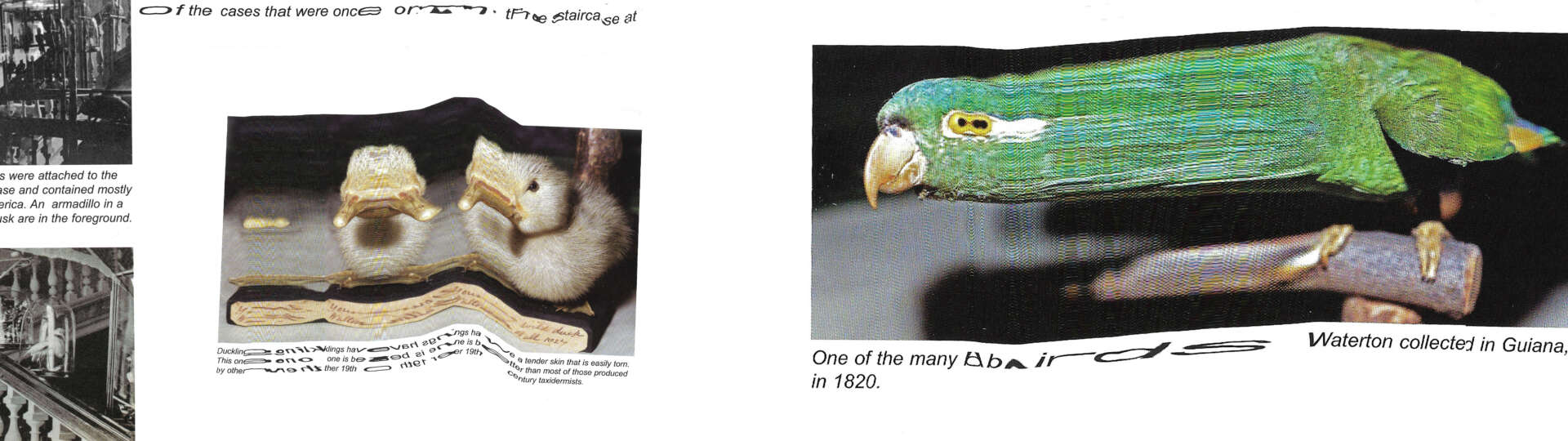
Figure 6: Still from multi-channel film-installation Dear Anne, 25’, Sarah Van Marcke, 2025.
I read that in the nineteenth century, when you were living here, British boys had a hobby called ‘egging’, which mirrored colonial behaviours like appropriation, classification, and objectification. They would steal eggs from bird nests—an organised mass abortion of unborn birds, veiled as a pastime as innocent as collecting stamps. This led to the decimation of some bird species. Today, the small boys have returned to the scrubland, hunting and crawling, in search not of eggs but of golf balls. I tagged along with them for a while as they talked about their favourite balls—the golden ones or those from Titleist, which I found to be less rare than they claimed, but valuable in their eyes.
With all this nattering on about balls and eggs, I’m reminded of how one of the million eggs in your young body fused with a sperm from your husband.
Though I struggle to call him ‘husband’—it sounds too romantic. Let’s just keep it at ‘the man you were married off to’, ‘the man who brought you from Guyana to Britain’. When he writes about you, it is as though he’s describing a small, exotic bird, as if you were scarce and fragile. But know you are not. I hear you in the loud, raucous calls of crows. I can feel you in the brambles’ thorns that keep golfers out of the untamed corners of this domain and in the rich black soil beneath this land—now smothered by monotonous grass, but waiting to one day revitalise this domain, to sprout from its fertile core.
Love, Sarah
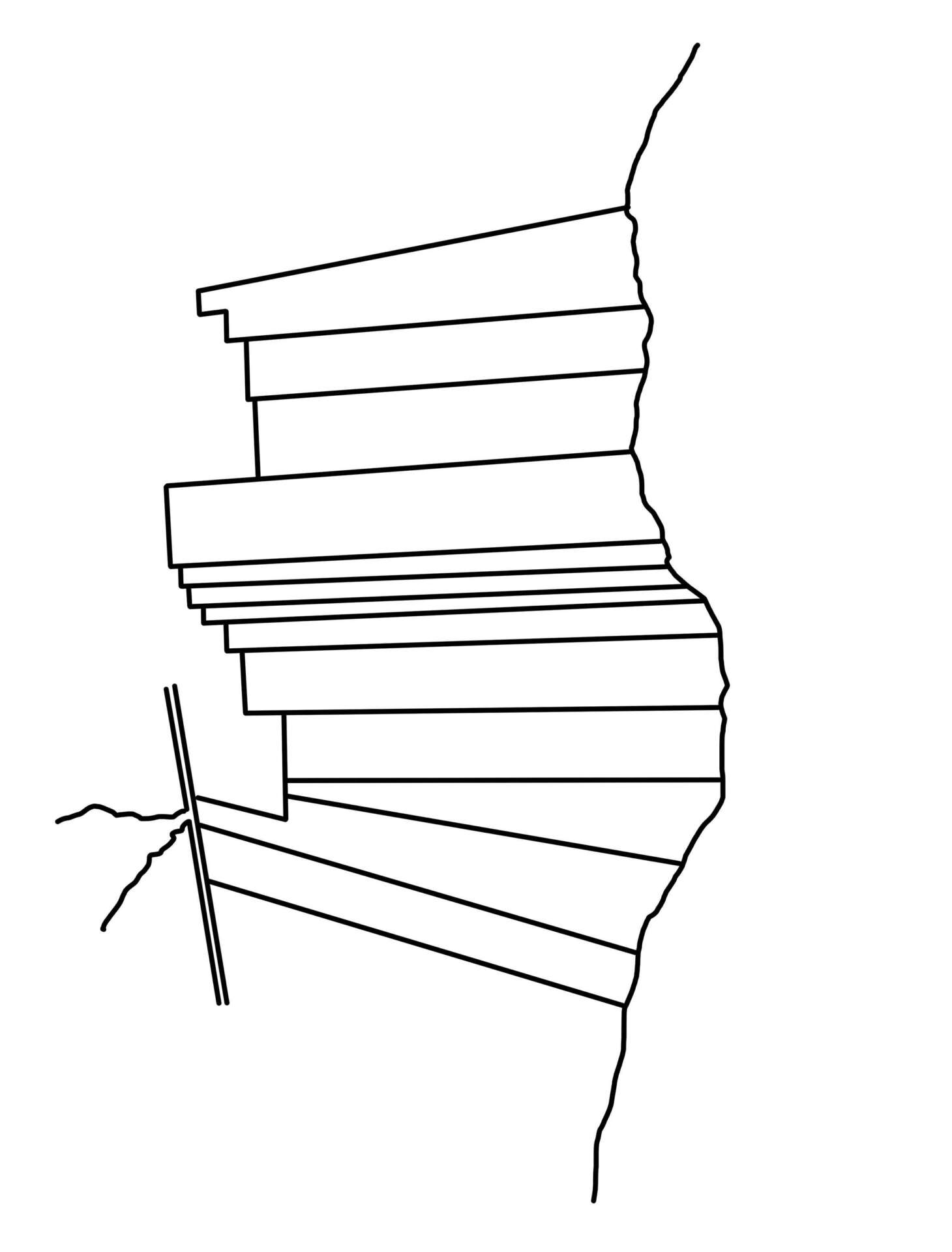
Figure 7: Schematic top-view map of Walton Hall (Guaiana), drawing by Sarah Van Marcke, 2025.
Literature
Akomolafe, B. (2016, June 10) Dear White People. Bayo Akomolafe. https://www.bayoakomolafe.net/post/dear-white-people
Ballard, J. G. (1966) The crystal world. Jonathan Cape.
Blackburn, J. (1989) Charles Waterton, 1782–1865: Traveller and conservationist. London: The Bodley Head.
De Vroey, L. (2024) Verwilderen. Aalter: Ertsberg.
Edginton, B. W. (1996) Charles Waterton: A biography. Cambridge: The Lutterworth Press.
ETEAM. (2020) Grabeland. New York: Nightboat Books.
Kimmerer, R. W. (2003) Gathering moss: A natural and cultural history of mosses. Corvallis: Oregon State University Press.
Haraway, D. J. (1988) Situated knowledges: The science question in feminism and the privilege of partial perspective. London: Routledge.
Haraway, D. J. (1984) ‘Teddy bear patriarchy: Taxidermy in the Garden of Eden, New York City 1908–1936’, Social Text, 11, pp. 20–64.
Heitman, M. (2021) Wormmaan. Amsterdam: Atlas Contact.
Holden, A. (2019) Essays in a natural history. In A natural history (exhibition publication). London: Artangel.
Le Guin, U. K. (1986) ‘The carrier bag theory of fiction’, Iowa Review, 16(1),pp. 67–72.
Le Guin, U. K. (2017) Being taken for granite. In No time to spare: Thinking about what matters (pp. 101–107). Boston: Houghton Mifflin Harcourt.
Le Guin, U. K. (2017) Deep in admiration. In No time to spare: Thinking about what matters. Boston: Houghton Mifflin Harcourt.
Leopold, A. (1949) A Sand County almanac: And sketches here and there. Oxford: Oxford University Press.
Maison Européenne de la Photographie. (2021) Science/fiction: A non-history of plants (exhibition catalogue). Paris: MEP.
Margulis, L. (1998) Symbiotic planet: A new look at evolution. New York: Basic Books.
Morris, P. (2014) Charles Waterton (1782–1865) and his eccentric taxidermy. MPM Publishing.
Extended Bibliography for Doctoral Research
Sebald, W. G. (1998) De ringen van Saturnus. Amsterdam: De Bezige Bij.
Sebald, W. G. (2001) Austerlitz. München: Carl Hanser Verlag.
Tsing, A. L. (2015) The mushroom at the end of the world: On the possibility of life in capitalist ruins. Princeton: Princeton University Press.
Van den Broeck, C. (2020) Een vlam Tasmaanse tijger. Amsterdam: De Bezige Bij.
Van den Broeck, C. (2023) Waagstukken. Amsterdam: De Bezige Bij.
von Hantelmann, D., & Obrist, H.-U. (2017) Essay on Pierre Huyghe. In Pierre Huyghe (exhibition catalogue). Paris: Centre Pompidou.
Waterton, C. (1972) Wanderings in South America (Heron Books reprint). Sheridan: Heron Books.
Zhong Mengual, E. (2024) Leren kijken. Amsterdam: Octavo. (Trans. L. van Nes).
Material used for the Installation Dear Anne
Stonyhurst College, UK. Archive of Charles Waterton.
Wakefield Museum, UK. Archive of Charles Waterton.
American Philosophical Society Library. Archive of Charles Waterton.
Waterton, C. (1838) Essays on natural history: Chiefly ornithology. Longman, Orme, Brown,