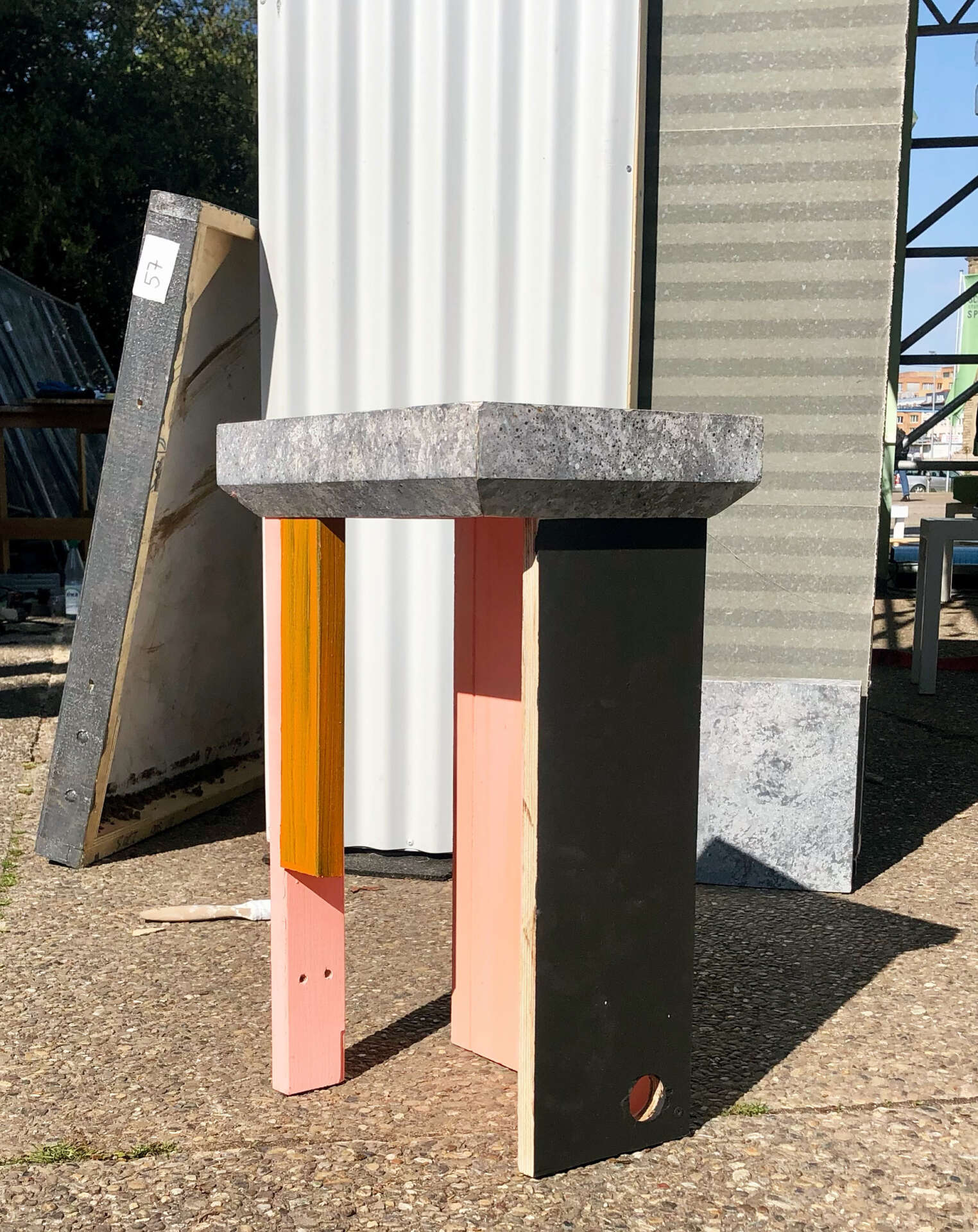
Off Course
Abstract
Meaningful Mistakes investigates how architectural “errors”—including inconsistencies, the idiosyncrasies of existing conditions, improvisations in material use, compromises, or deviations from the original plan—can be understood not as flaws but as disruptive yet productive forces. The research treats mistakes as a recurring motif, reflects on contemporary theoretical positions, and experiments with design methods that embrace loss of control and being off course as integral to the creative process. This engagement unfolds through projects involving existing structures, as well as collective and self-initiated approaches that respond to intuition, context, and collaboration. In doing so, conventional paradigms of authorship, precision, and perfection are questioned, while a mode of architectural practice is explored that recognizes ambiguity, and poetic gaps as generative qualities. Conceptual anchors include approaches such as Open Form, Glitch, Bricolage, New Materialism, and metamodern perspectives. The research argues that, when approached with care, attention, and openness, mistakes become productive tools and act as cultural and aesthetic markers, making social, ecological, and economic realities legible.