Obscuri Loci The Reclaimed Cinema
Abstract
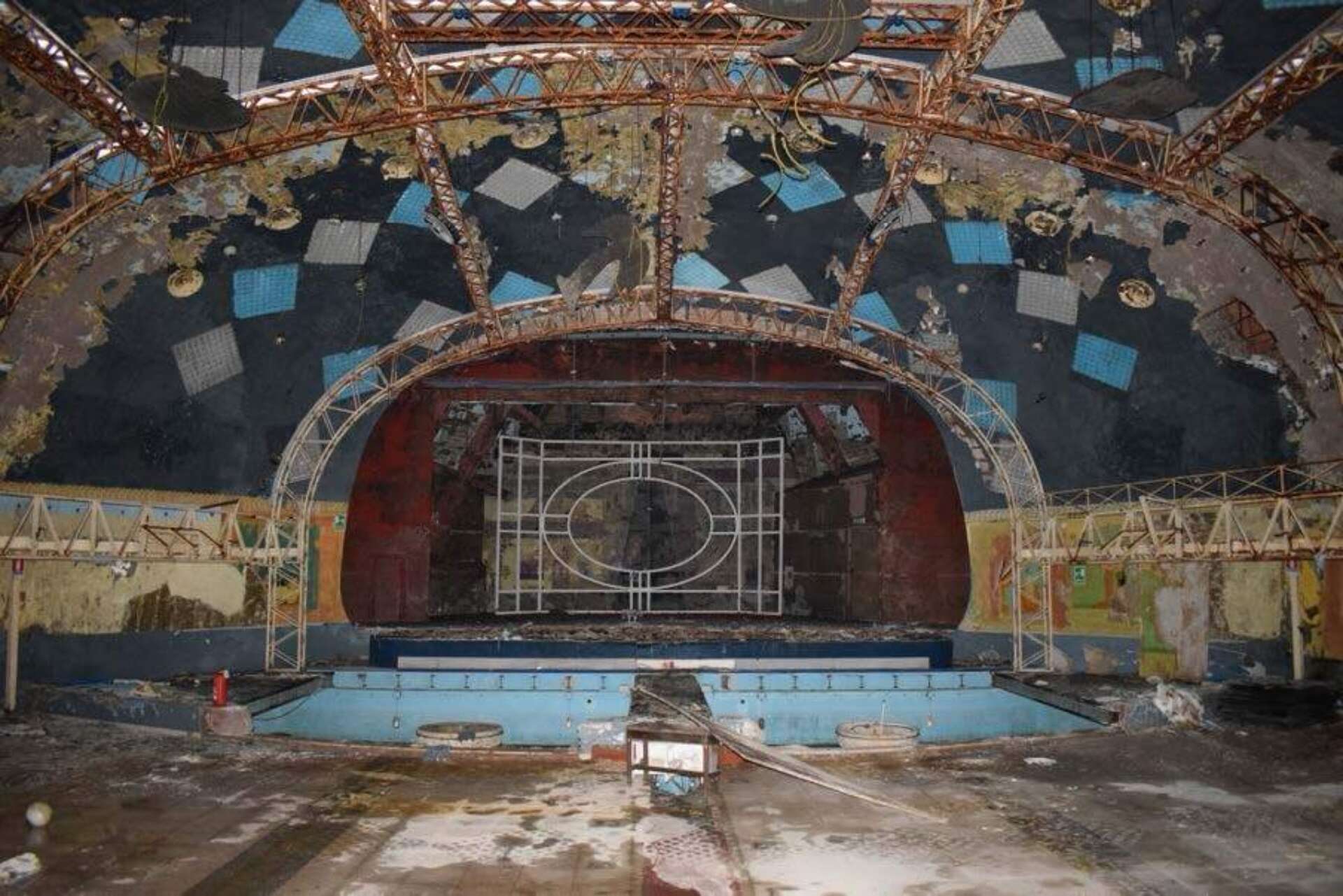
The cinema hall, understood as both a social space and an architectural device, represented one of the most significant building typologies of the twentieth century, contributing in a decisive way to the construction of collective urban life. Today, due to socio-economic, cultural, and technological transformations, many of these spaces are in conditions of abandonment or marginalisation, raising critical issues both at the urban scale and within the field of protection of twentieth-century architecture. This contribution investigates cinema halls as places charged with memory and collective rituality, yet lacking full recognition as heritage. The research proposes critical-transformative reuse as a mediating
approach between restoration and adaptive reuse, capable of avoiding both musealisation and the erasure of spatial memory. Through a hybrid methodology, historical-critical and project-based, and the comparative analysis of both abandoned and reused case studies, the paper explores strategies for the recovery of cinema halls as urban devices and social catalysts. The aim is to restore centrality to these architectures as public places, capable of generating new forms of community within the contemporary city.