From Externalisation to Metabolism Norm-Critical Design for Shared Domesticities
Abstract
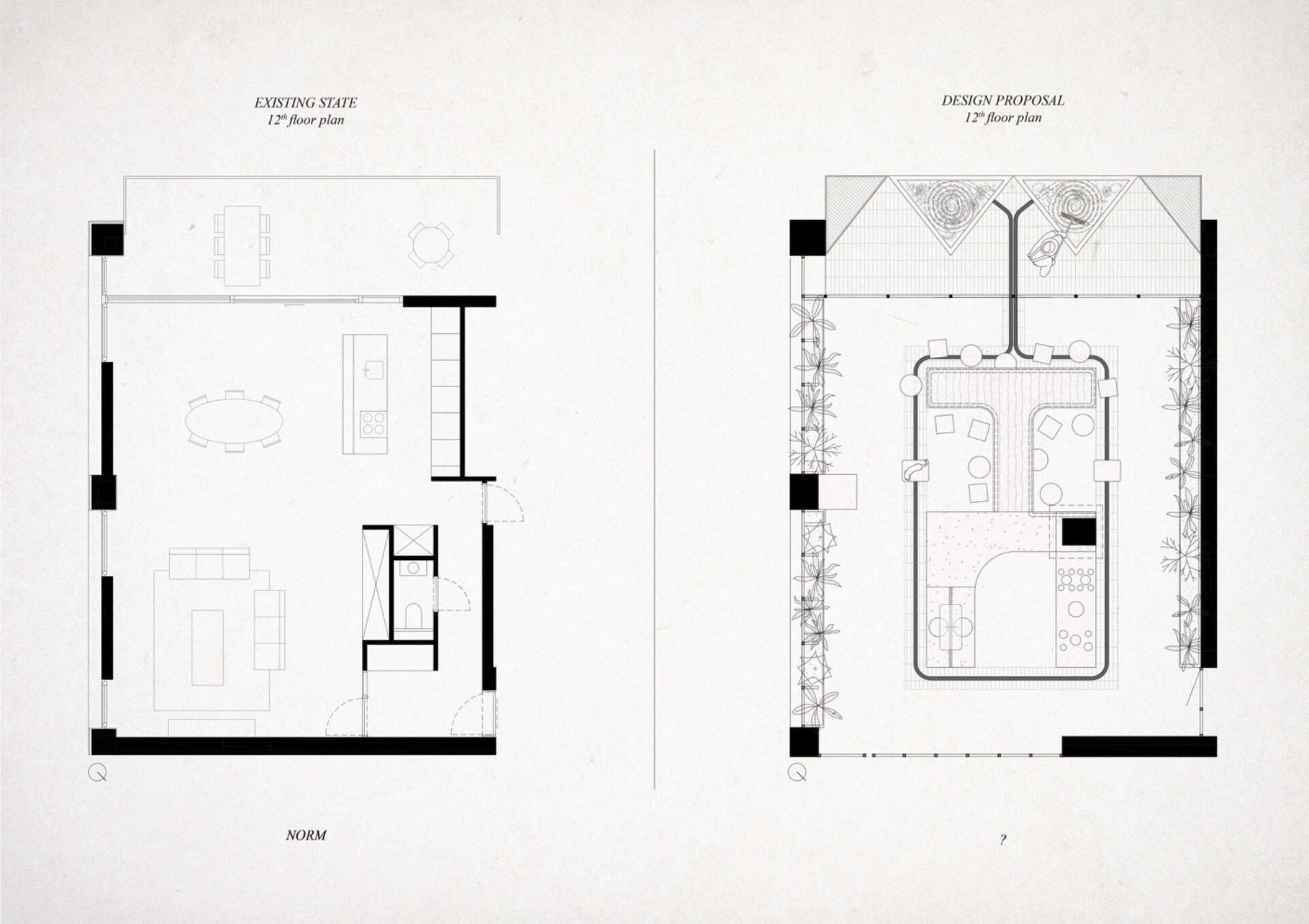
This research investigates the relationship between contemporary urban domesticity and the externalisation of metabolic processes from a socio-ecological perspective, exploring how domestic infrastructures can be reconfigured as sites of engagement, care, and collective inhabitation. It hypothesises that architectural design that accommodates metabolic processes can reshape everyday habits and values, foster socio-ecologically conscious subjectivities, and strengthen community. The study employs a research-by-design approach, developing critical design interventions within existing residential typologies and testing them through participatory workshops. These workshops examine cultural acceptance, perceived resistance, and the potential for inhabitants to appropriate and engage with new metabolic practices. This paper reflects on the initial workshops, discussing intermediate findings and design insights that inform the iterative development of design proposals.