Energy and Seismic Retrofit Solutions as Spatial Devices A Design-Driven Research Trajectory
Abstract
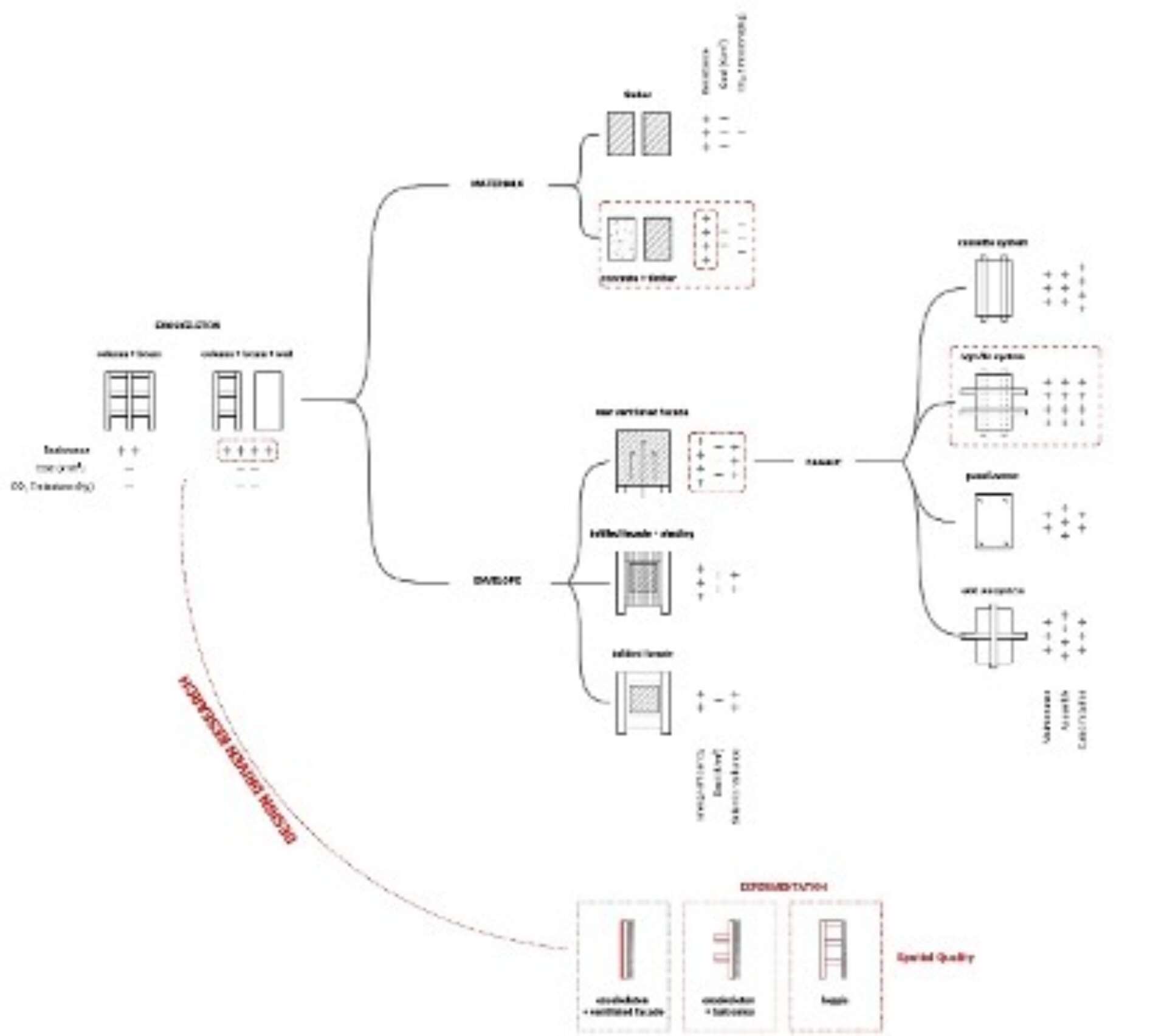
This research addresses the challenges of energy and seismic retrofitting in European residential buildings, particularly in Italy, where nearly 70% of dwellings predate 1980. Public renovation programs, such as PINQuA within the National Recovery and Resilience Plan, highlight the limitations of current practices, which focus primarily on technical efficiency while neglecting social, cultural, and spatial aspects. Building on the Horizon-funded MULTICARE project, the study integrates seismic and energy upgrades through a low-carbon, timber-based structural system, tested in a housing estate in Naples. Drawing on Reyner Banham’s “well-tempered environment” and architectural tectonics, the research redefines retrofitting as a means to enhance both technical performance and spatial quality. Using a Design Driven Research approach, the study explores how holistic design can bridge the gap between technical and architectural considerations, proposing a critical framework for sustainable renovation that emphasizes experiential and cultural value alongside efficiency.